U.S. needs to invest in preventing chronic diseases
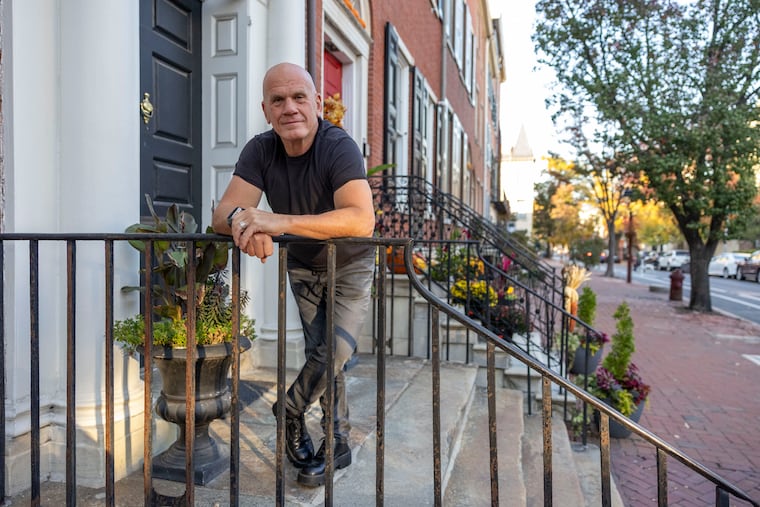
Richard H. Carmona was surgeon general of the United States, 2002-06 I recently visited Pennsylvania to meet with many of the wonderful people who are working to improve the health of all Pennsylvanians.
Richard H. Carmona
was surgeon general of the United States, 2002-06
I recently visited Pennsylvania to meet with many of the wonderful people who are working to improve the health of all Pennsylvanians.
As surgeon general of the United States, it was my duty to protect, promote and advance the health, safety and security of our great nation. I had the privilege to provide my fellow Americans and our leaders with the best scientific information available about how to improve the health of our nation.
When it comes to chronic disease, the science is clear. Preventable chronic disease is a challenge we all face and must address together - as individuals, as families and as communities, as well as through our health-care system, workplaces and government. Fortunately, this crisis has a solution, and that's where Pennsylvania plays an important role.
Pennsylvania already leads in our nation with a current health-care reform plan focused on chronic care management, particularly for asthma, diabetes, and heart and lung diseases. Unfortunately, Pennsylvania also has one of the largest chronic disease burdens in the country: A recent study by the Milken Institute ranked Pennsylvania 45th out of the 50 states for the magnitude of its chronic disease costs and prevalence rates. Pennsylvania has recognized that it needs to address this health and economic burden through better prevention and management of chronic diseases.
The issue of health-care reform in the United States is extraordinarily complex. The good news is that we can take steps now to improve the health and well-being of our people by addressing our nation's single greatest threat to public health and our health-care system: chronic disease.
Chronic diseases are the long-lasting, often preventable illnesses such as diabetes, heart disease, asthma and obesity, that afflict 133 million Americans, of which seven million are Pennsylvanians. In addition to the millions of lives affected each year, chronic disease costs the United States $1.5 trillion a year, which is about 75 percent of our overall annual health-care spending. In Pennsylvania, the total economic impact of the most common chronic diseases is nearly $60 billion. By the year 2023, more than 230 million Americans will have a chronic disease. With rising rates of obesity and the aging of the population, these diseases stand to impose an even greater toll in the future. We are in a growing health crisis.
As a nation, we pride ourselves on our ingenuity and our history of finding ways to improve our quality of life. We must now fight the next great battle: preventing chronic disease.
The best solutions don't necessarily require new, expensive programs. Benjamin Franklin, the oldest of our Founding Fathers, was right - an ounce of prevention is worth a pound of cure.
We can prevent many diseases by making small changes in our own behavior, such as choosing healthy foods, eliminating tobacco, and being physically active every day.
But to change the overall culture of our nation from focusing on disease treatment to embracing disease prevention, we need evidence-based public policy that incorporates the latest science and uses best practices that generate positive, lasting results.
Fixing our health-care system requires that we transform our fundamental approach to health, moving away from "sick care" - where we treat diseases after they occur - toward embracing health and wellness through prevention. If we as voters want to see an immediate reduction in costs and an improvement in our quality of life, we need to support addressing chronic disease prevention and management in any health-care plan, because prevention and management of chronic diseases are the solution to our health-care problems.
Our health-care system is enormously burdened by chronic disease, and the system we have today isn't structured to adequately fix it. We need to put partisanship aside and find new ways to address chronic disease by helping Americans make better health decisions, by establishing incentives to prevent and manage chronic disease, and by maintaining our robust public health research.
You can influence this issue starting today by reaching out to your elected leaders to tell them to invest in disease prevention and management. Please participate in this important dialogue. Our health and the future of our nation depend on it.