Storm imperils Philly schools
By David Bradley As the School District of Philadelphia faces the prospects of unprecedented budget cuts, the image that comes to me is that of a massive storm ready to devastate our city's schools. The effects will be disastrous.
By David Bradley
As the School District of Philadelphia faces the prospects of unprecedented budget cuts, the image that comes to me is that of a massive storm ready to devastate our city's schools. The effects will be disastrous.
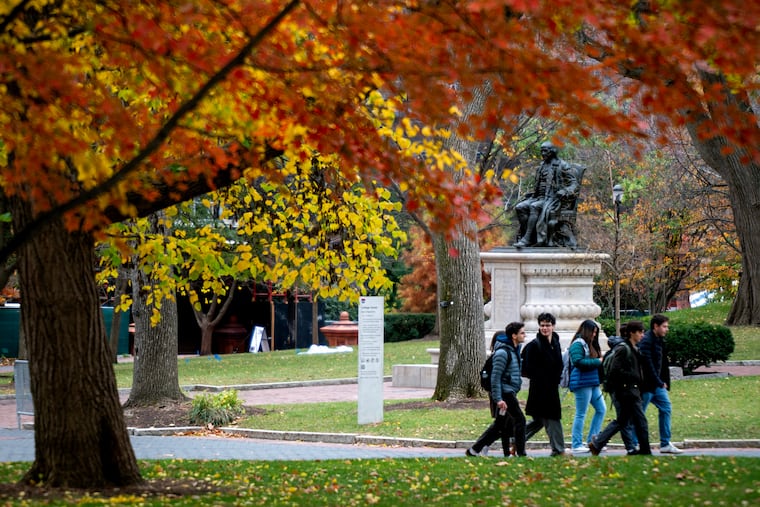
In the short term, city schools will be stripped to the most elemental services - one principal, one teacher for every classroom, each room packed to the blackboards with the maximum number of students. Assistant principals, guidance counselors, art, music, sports, and extracurriculars - gone. Paper, supplies, even books blown out the doors by budget-slashing winds.
These schools will not be centers of growth and promise. They will be far closer to custodial houses, where, despite the best efforts of teachers (and the effort will be there), only the most confident students can get the year's worth of learning every child deserves from September to June.
Why would anyone willingly choose to send his or her child into an environment like this? And what happens if you don't have a choice? What happens if you have to learn at ground zero of the storm?
If this level of funding persists, the schools and the children won't even get a chance to rebuild from the first storm. The city and commonwealth will be condemning children (who can't vote, can't elect to move, and can't affect budget policy) to neglect, greatly diminishing their chances for productive higher education and employment. Yes, there will be underdog success stories. But none would argue that this is how best to raise a child.
However, we know what to do. We know how to rebuild after disasters. We've seen it in New Jersey, most recently in the stories about President Obama joining Gov. Christie to tour sections of the Shore rebuilt after Sandy. As The Inquirer reported, "Obama and Christie were taking something of a victory lap, highlighting the federal funds and local resiliency that led to dramatic rebuilding successes in some places."
Victory. Resiliency. These all came from immediate recognition of need, bipartisan cooperation, and, most importantly, prioritizing of funding to ensure citizens could benefit not from bare-bones restoration, but from "dramatic rebuilding successes."
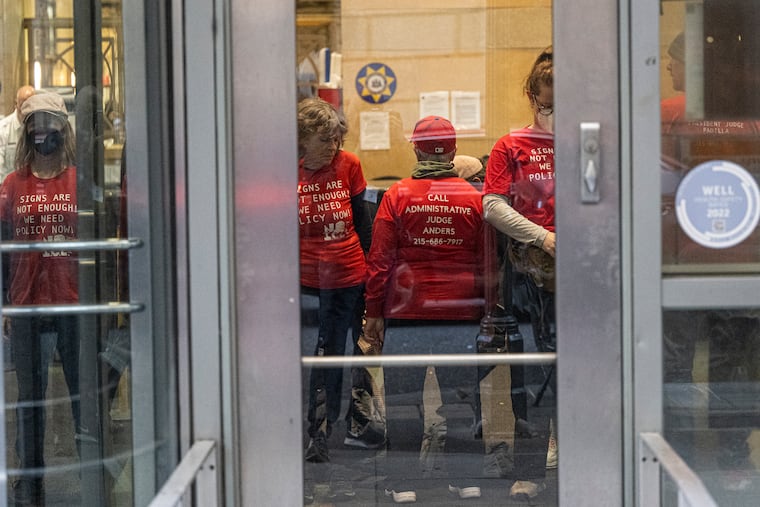
In Philadelphia, we must use our knowledge of how to rebuild after a disaster to prevent the coming storm. It will require shared purpose and sacrifice. The district has already gotten the process started by cutting costs. The cuts have been unpopular and can be debated, but the district has put skin in the game.
Mayor Nutter has proposed a $95 million package to support schools. A cigarette tax was voted out of a Council committee unanimously last week. On Wednesday, an increase in the liquor-by-the-drink tax comes up for vote. It could provide $22 million for schools this year and, with the cigarette tax, $100 million thereafter. The plan faces opposition, but the needs of children have to be a priority above the needs of liquor providers and restaurant owners. Restaurant owners worry about customers heading to suburban eateries. What about families fleeing to suburban neighborhoods and schools? That's far more damaging to business and the city.
And just as a disaster in a small community requires support from a larger whole, the maelstrom staring down our children calls for action from the commonwealth. Pennsylvania's Republican-controlled legislature needs to follow the example of cooperation set by Christie and Obama and perform that most basic of government functions: serving those who can't serve themselves. In this case, that means the children.
It's time for Harrisburg to pass the enabling legislation that will let the city put its skin in the game, and then to provide the requested $120 million (really a partial restoration of $900 million cut in 2011-2012) to stave off the evisceration of Philadelphia schools.
The coming storm won't result in the immediate destruction wrought by the terrible storms of this spring and last fall, thankfully. But make no mistake: Leaving children exposed to the neglectful and punishing ravages of these cuts means we are wreaking havoc on the innocent. No matter what disagreements might exist about policy priorities or the role of state and city funds, no one could think the proposed School District funding is close to being adequate.
A storm is coming, but we can minimize the damage. We can pledge that no matter the concern for deficits, no matter the cost, we will protect the innocent. We won't let the helpless suffer.
That's what it means to have a common wealth.