Graham breaks with Trump over Russia sanctions law her brother championed
Darline Graham has only been a senator for a few months, but she has cited her role in passing the sanctions package, a major part of her brother’s legacy, as a top achievement.
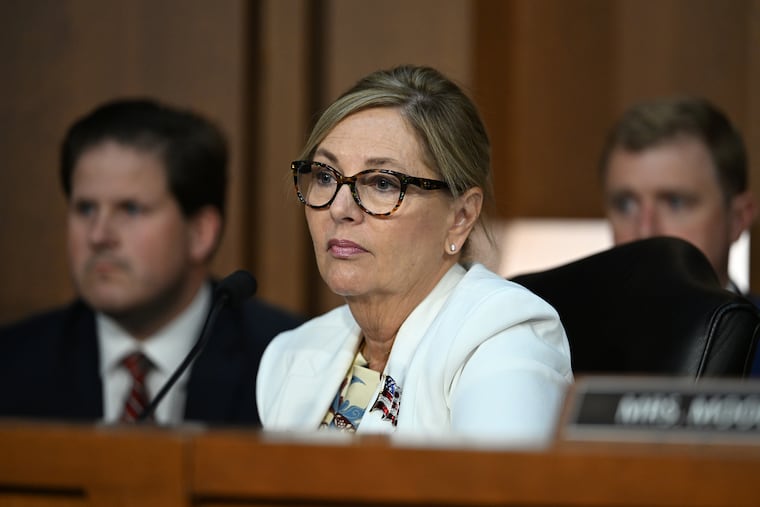
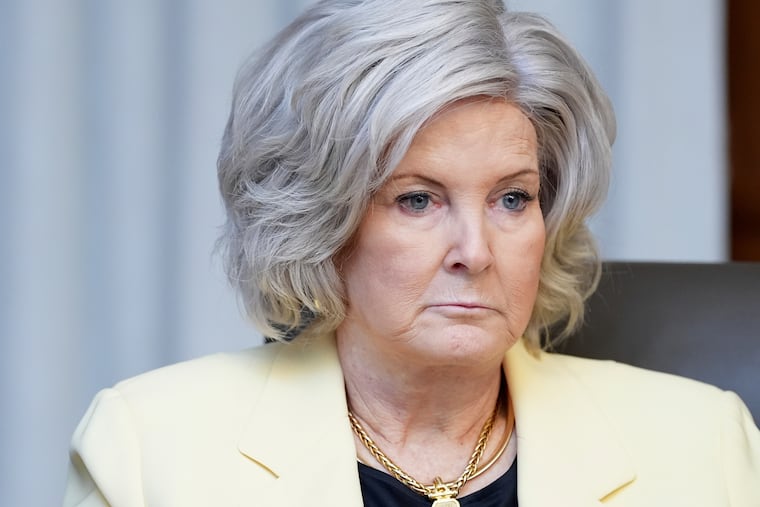
WASHINGTON — Sen. Darline Graham (R., S.C.) gingerly criticized President Donald Trump on Saturday for exempting Russia from a sanctions law that was championed by and named after her late brother, Lindsey.
“Personally, I would choose to put the pressure on Russia to end the war and get gas prices down,” Graham told reporters at a campaign event. “Because I don’t trust Putin, and I don’t trust Russia.”
It was a small break from Trump, and one that may put Graham, who was appointed in July to replace her brother after his death, in an awkward position as she campaigns for a full term with the president’s backing.
Over her short time as a senator, Graham’s legislative record is understandably thin. But she has cited her role in the sanctions package, a major part of her brother’s legacy, as a top achievement.
“I was so proud to get the Lindsey O. Graham Sanctioning Russia and Iran Act passed,” Graham said during a debate this month. “It gives the president tools he can use if he so chooses to end the war through economic sanctions. So that is up to him as to whether or not he wants to use it, or whether he wants to use something else.”
Trump chose something else. By waiving the sanctions, he essentially handed Russian President Vladimir Putin a financial lifeline that Lindsey Graham had been eager to cut. The Trump administration has also pitched European officials on resuming purchases of Russian gas, another move that would boost Moscow’s standing.
Graham said that she would speak to Trump about the sanctions decision this coming week in South Carolina, where he is set to appear at a rally to help boost her campaign. She also acknowledged that her brother and Trump had not always seen eye to eye, including on foreign policy.
“Lindsey — he disagreed with the president sometimes. They had that relationship where they could agree to disagree sometimes,” Graham said.
Other Republican senators have blasted the decision more forcefully. Sen. Thom Tillis of North Carolina called Trump’s move “beyond irresponsible.”
“It’s unconscionable that this administration is capitulating to a Russian dictator who illegally invaded Ukraine and butchers innocent civilians every single day,” Tillis wrote on Saturday on social media. Tillis announced last year that he would not run for reelection, and has since become increasingly critical of Trump.
Sen. John Cornyn of Texas said in a social media post that “Lindsey would be appalled.”
Trump did not explain why he chose to waive the sanctions, a top priority for Graham before his sudden death. But he did so a week after his administration temporarily lifted sanctions on Russian diesel fuel, the price of which has skyrocketed and become a central issue in the midterm elections.
Democrats in South Carolina hope, despite tough odds, that anger over energy prices may help put Graham’s seat in deeply conservative South Carolina in play. Annie Andrews, the Democrat running against her, has accused Graham of being overly beholden to Trump and a rubber stamp on pieces of his agenda that have raised costs for voters.
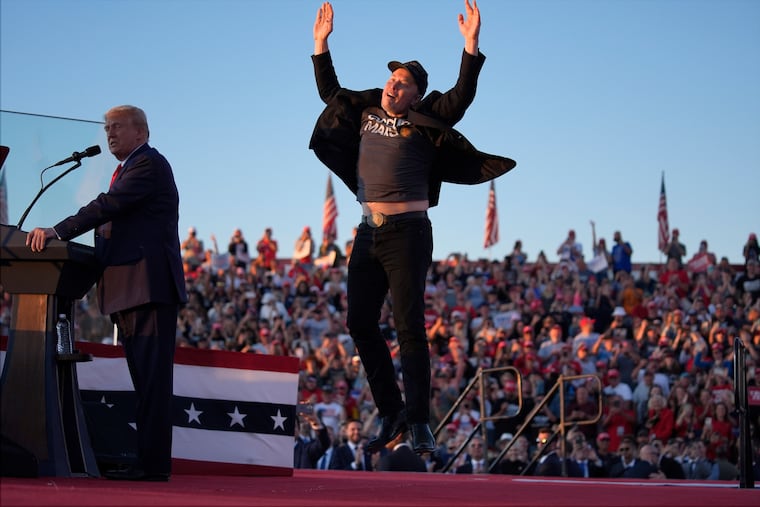
In a video Saturday endorsing Graham in the general election, Trump said that he had asked her to run, and acknowledged his close friendship with her brother.
“She’s going to be an incredible, really an unbelievable senator,” Trump said. “And like her brother — it’s good genetics. Her brother was a great politician who really helped me a lot.”
The sanctions measure, signed into law in September, was aimed at Russia’s energy sector, a key source of revenue helping finance the country’s war on Ukraine. It targeted Russian oligarchs, officials, and financial institutions, and extended sanctions against Iran for five years.
But under the law, the White House has broad authority to issue exemptions or waivers. The measure required Trump to notify Congress only if he opts against imposing the economic restrictions on Russia.
Lindsey Graham, a Russia hawk, spent more than a year building support for the measure. He died just hours after returning to Washington from a trip to Ukraine, where he said he had reached an agreement on imposing sanctions targeting buyers of Russian oil.
Darline Graham, who had never held elected office before being appointed to the Senate, has sought to distinguish herself from her brother by saying she would focus on domestic policy issues. During a primary debate, she acknowledged that she was “not that informed on national security.”
But at her debate against Andrews this past week, Graham was asked about Trump’s foreign policy decisions in Iran and Russia and their connections to gas prices.
She pointed both times to the sanctions bill.
This article originally appeared in the New York Times.