Six takeaways from the Massachusetts primaries
Sen. Ed Markey, 80, and Reps. Richard Neal, 77, and Stephen F. Lynch, 71, are all likely to return for additional terms.

Massachusetts, as it turns out, is a good state in which to be a very old Democratic incumbent.
Three Democrats who have been in office since long before the iPhone was in stores all won renomination Tuesday. Sen. Ed Markey, 80, and Reps. Richard Neal, 77, and Stephen F. Lynch, 71, are all likely to return for additional terms.
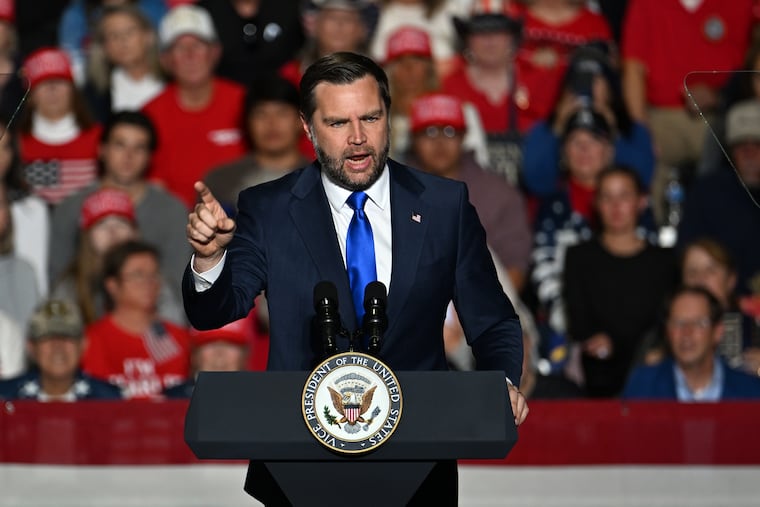
Each faced challengers who had called for a new generation of leadership. Markey coasted past Rep. Seth Moulton, 47, who ran to the middle, while Neal and Lynch both fought off progressive challengers.
Markey has been in office for 50 years. Neal has represented western Massachusetts since 1989. Lynch first won election from South Boston in 2001. The state’s Democrats do not seem inclined to reject their incumbents.
Here are six takeaways from the Massachusetts primary results:
Voters didn’t care about Markey’s age
The party still scarred by former President Joe Biden’s public meltdown during the 2024 campaign was not convinced that an octogenarian senator should not serve another six years.
Perhaps if Markey, 80, had faced a younger challenger with better political relationships than Moulton, he would have been in trouble in Tuesday’s Democratic primary. But Moulton has spent his career challenging his party’s orthodoxy and its leaders.
That record left Markey the political space he needed to paint himself as the progressive in the race, campaigning on the ideas of the future — even though he has been in Congress for 50 years.
In the waning days of the Massachusetts primary, several Democrats described Moulton as having the generational change message the party needed but being the wrong messenger to deliver it.
Markey said throughout the campaign that he would resign his seat if his advanced age left him unable to properly fulfill his Senate duties. He is now favored to win in November, which would have him serve in the Senate until he is 86 years old.
Moulton’s trans remarks weren’t forgotten
If Massachusetts were a general election battleground state, perhaps Moulton’s skepticism about trans athletes’ participation in youth sports might have played better among primary voters.
But from the moment Moulton entered the race last October, Markey used his remarks questioning transgender girls’ participation in girls’ sports as a battering ram against him. Not only did it galvanize the LGBTQ vote for Markey, it also helped frame him as the progressive candidate.
It was the same formula that powered Markey’s last primary triumph in 2020 against another younger, more moderate Democrat, Joe Kennedy III.
Moulton eventually offered a qualified apology for his remarks, which came the day after President Donald Trump won a second term in the 2024 election. But by then the state’s progressive voters had heard for months from Markey and his supporters that Moulton, during tough times, was willing to toss trans people aside.
Dan Koh wins, thanks to Biden and Harris
A lot of Democrats rolled their eyes when Dan Koh rolled out endorsement videos from Biden and former Vice President Kamala Harris.
Koh, who was a White House aide for Biden, was running against Tram Nguyen, a progressive state legislator, for Moulton’s House seat north of Boston.
Tying one’s political identity to a presidential administration a lot of Democrats would like to move past was a unique strategy. No other Democrat in a competitive primary this year had video testimonials from both Biden and Harris. (He also had a lot of help from a pro-AI super political action committee.)
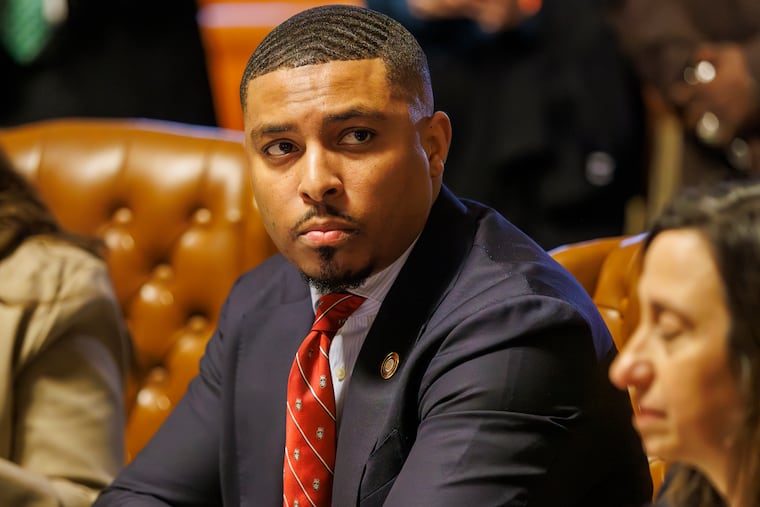
The strategy worked. Koh won a relatively easy victory over Nguyen and four other candidates. In a heavily Democratic district, he is all but certain to enter Congress in January as a legacy of the Biden administration.
Stephen Lynch and Richie Neal hang on
Markey was not the only old guy to hang on Tuesday. Neal and Lynch both fended off younger challengers for their House seats.
Unlike Markey, Neal and Lynch both faced progressive upstarts. And while both won by margins closer than they have achieved in previous races, they are both likely to return to Congress for another two years.
Massachusetts has not elected a Republican to any of its congressional seats since 1994. As long as that remains the case — and it is widely expected to — five of the nine members of the Massachusetts House delegation next year will be 63 or older. Both senators will be 77 or older. And efforts by young challengers to oust the state’s older incumbents have failed time after time.
The pollsters got one right
The polling industry has gotten a lot of grief lately after Democratic primary results were way off from the forecasts of the final surveys in Michigan and Wisconsin, followed by a big upset in the Florida Senate race.
In Massachusetts, Big Polling got it right.
Emerson College and the University of New Hampshire released polls in the final week before the primary showing Markey as getting more than 60% of the vote — blowout numbers.
They turned out to be right on target.
Getting the numbers right is something of a triumph for pollsters as they head into the final general election sprint in election battlegrounds.
Ambitious Democrats are already looking toward 2030 and ’32
The next two Massachusetts Senate contests could feature a pileup of ambitious Democrats from competing wings of the party.
The state’s Senate races in 2030, when Sen. Elizabeth Warren, now 77, would face reelection, and 2032, when Markey’s next term would end, are likely to be open-seat contests.
Markey said in July that the term he was running for now would be his last. Warren would be 81 in 2030.
Massachusetts has no shortage of Democrats who have been eyeing upcoming Senate openings. Reps. Ayanna Pressley and Jake Auchincloss have barely disguised their interest in the seats. Mayor Michelle Wu of Boston is a popular progressive. Marty Walsh, the former Boston mayor who served as Biden’s labor secretary, could also mount a run.