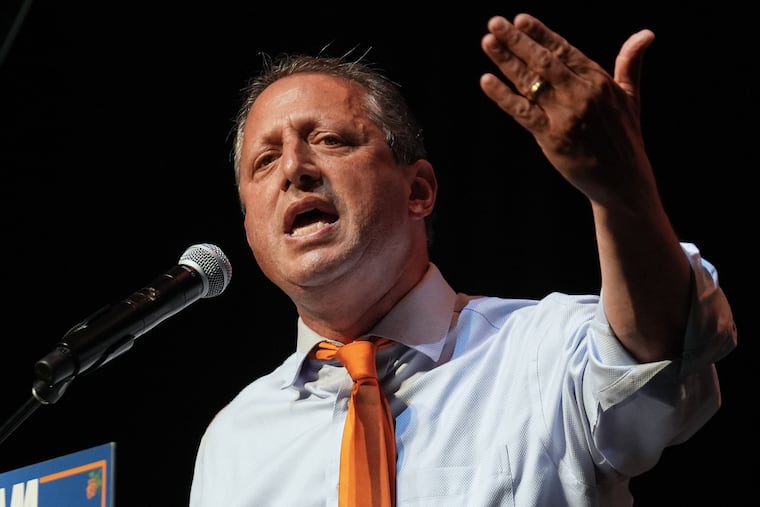
Councilmember Nicolas O’Rourke wanted to mandate funding for a new Transit Access Fund. He’s scaling back his plan.
O'Rourke watered down his proposal to build support among Council colleagues amid budgetary concerns.
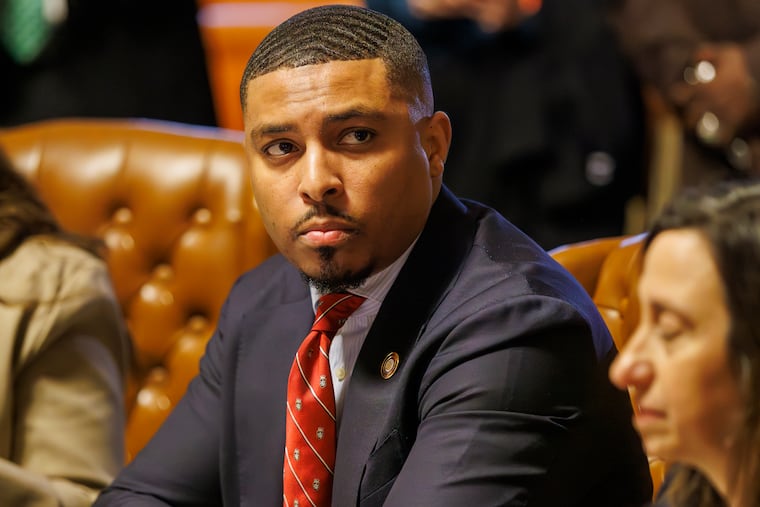
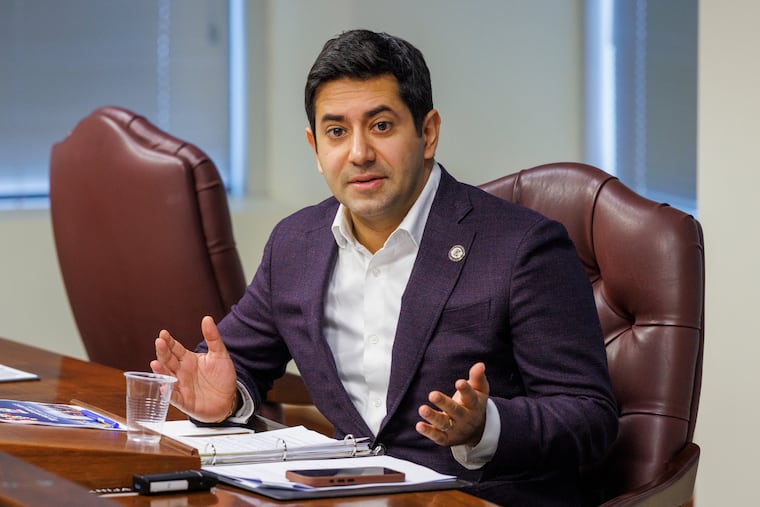
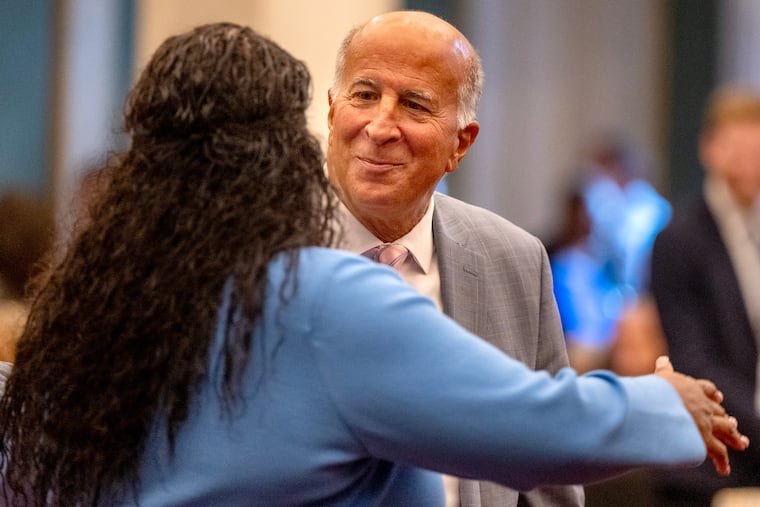
Philadelphia City Councilmember Nicolas O’Rourke, facing a lack of support amid budgetary concerns, has scaled back his plan to create a Transit Access Fund that would help pay for programs that subsidize SEPTA fares for low-income residents and other groups.
O’Rourke in April proposed amending the Home Rule Charter to create the fund and mandate that it annually receive 0.5% of the city budget. That would have amounted to more than $33 million in the program’s first year, and $135 million over five years, according to a fiscal analysis prepared by Mayor Cherelle L. Parker’s administration.
But Council President Kenyatta Johnson never referred the legislation to committee. On Thursday, O’Rourke introduced a less ambitious version of the plan that would instead create a new chapter of the city law code authorizing the administration to create the fund. The bill would require the city to produce an annual Transit Access Plan, but does not include specific funding benchmarks.
“This is what we got the most support around, as it relates to being able to get it out the blocks,” O’Rourke, a first-term Working Families Party lawmaker who represents the city at large, said in an interview. “It’s important for us to make sure that we continue to show that there is a desire amidst this body to make sure that we are locking in and protecting these programs that provide accessibility to the poorest in our city.”
Programs established through Home Rule Charter amendments, which must be approved by voters in referenda, are permanent, non-negotiable additions to city government. City law, however, can be overturned by Council, and funding for programs in the law code are renegotiated each year in the city budget.
The transit fund, if approved, would boost funding for the Zero Fare program, which covers the cost of SEPTA fares for low-income Philadelphia residents, and SEPTA’s Key Advantage and Key Partner programs, which provide discounts for employees or students of participating companies, schools, and nonprofits.
O’Rourke said he hopes the new bill will be a starting point that will eventually lead to a permanent version of the fund. The proposal is cosponsored by 14 of Council’s 17 members, including Johnson, according to O’Rourke’s office.
“We’re happy to continue to partner with the city on the Key Advantage program, and we appreciate their support,” SEPTA spokesperson Andrew Busch said.
Johnson told reporters Thursday that he is giving proposals that carry a significant cost extra scrutiny due to financial concerns. In addition to O’Rourke’s original plan for the transit fund, Johnson has held up a business tax relief bill authored by Councilmember Mike Driscoll that the administration has said would cost at least $29.5 million per year.
“We are just taking in consideration all the bills that have an impact on revenue, just doing our due diligence before we move forward on any of them, just based upon the total budget that we have,” Johnson told reporters. “We need to look at the totality of all the things that are going to have a budgetary impact. ... It has nothing to do if they are good ideas or bad ideas. But they have a cost to them, so we have to be mindful.”
The city budget, currently about $7 billion, is negotiated each year between March and June, and must be approved by July 1. The city had about $1.1 billion in reserves as of June 30, according to the most recent Quarterly City Manager’s Report.
Johnson’s concerns about the budget come after Council earlier this year rejected a series of tax-raising proposals by Parker meant to fund the cash-strapped Philadelphia School District, homeless services, and other priorities.
The tax fight was highlighted by Council’s rejection of Parker’s proposed $1-per-ride tax on rideshare services like Uber and Lyft that the mayor championed in hopes of providing an additional $48 million per year for the schools.
Council last June instead helped plug the district’s deficit with money from one-time savings in the city budget. Johnson at the time pledged to work with the administration to find a recurring funding source for schools.
“That’s another commitment we have to find additional revenue,” Johnson said Thursday. “Some of these conversations will take place in the budget process. Some of these conversations will look at: How do we find additional revenue to support the various proposals being put in front of us?”
SEPTA has faced its own funding crisis over the last few years, and transit advocates are hoping state lawmakers increase funding for the agency.
Despite O’Rourke’s proposal being watered down, Stephen Bronskill, coalition manager for the group Transit Forward Philly, said the new plan is nonetheless “a major step forward” that shows the city “is doing its part to invest in transit so that the Commonwealth can do the same next year and pass a statewide transit funding solution.”
Staff writer Thomas Fitzgerald contributed to this article.