Banning ‘convenience’ fees, buying the police headquarters, and approving the city budget | City Council roundup
Council also approved the purchase of the police headquarters building on North Broad Street and expanded death benefits to the families of first responders who die by suicide.
Sick of being charged with “processing” or “transaction” fees when shopping online?
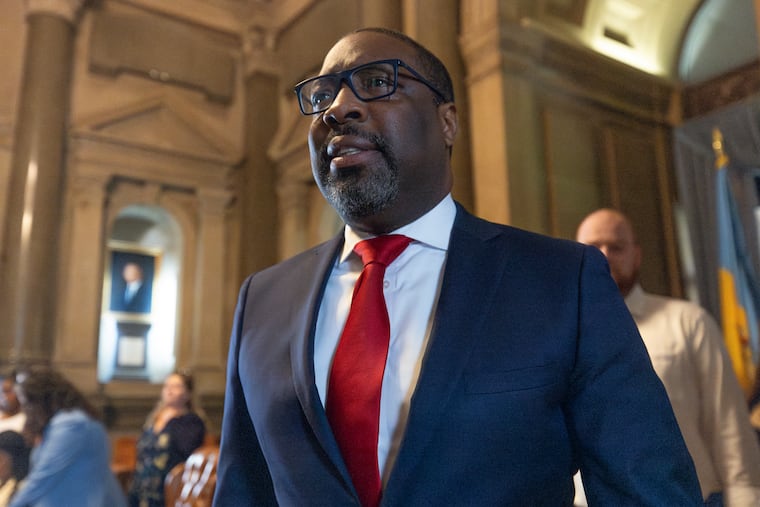
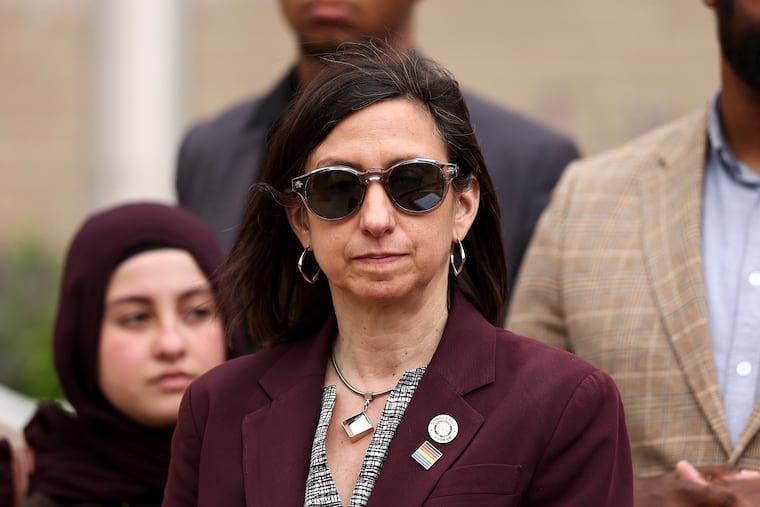
So is City Councilmember Rue Landau, and she introduced a bill Thursday to help Philadelphians avoid so-called pay-to-pay fees for online transactions.
“This will keep money in people’s pockets,” Landau said in an interview. “Oftentimes, people are paying these fees every single month to simply pay their bills to an entity that only allows you to pay it in a certain way. They are unnecessary. We are making them unlawful.”
The legislation aims to ban fees that are not related to actual costs to the seller. That means standard credit card processing fees, which retailers must pay to credit card companies, would not be banned under the bill. Instead, the bill aims to tackle additional fees beyond those processing charges by:
Mandating online payment portals have at least one option that involves no additional fees.
Requiring “cost justification” for fees, which Landau’s office said would essentially ban convenience fees by necessitating proof they are related to real costs borne by the seller.
Compelling online retailers to disclose all fees up front in “total-price advertising” before a transaction begins.
To enforce the bill’s provisions, the city’s law department would be authorized to sue businesses charging illegal pay-to-pay fees. The bill would also allow private individuals to sue for damages from companies charging the fees, including as part of a class-action lawsuit.
Next, Council President Kenyatta Johnson will refer the bill to a committee, where it could get a hearing as soon as this fall.
What was the meeting’s highlight?
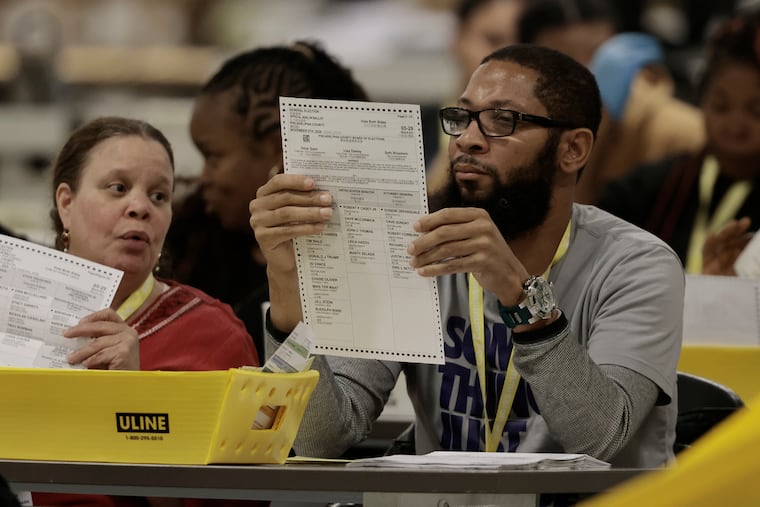
All’s well that ends well?: Thursday was the last session before lawmakers adjourn for summer recess, and Council members pushed through a raft of legislation, including the $7.1 billion city budget for the fiscal year that begins July 1.
City budget negotiations wrapped up last week, and Thursday’s votes were largely procedural.
But the fallout continued Thursday from Council’s decision last week not to adopt Mayor Cherelle L. Parker’s proposal to plug the Philadelphia School District’s budget deficit with a new $1-per-ride tax on rideshare services like Uber and Lyft.
» READ MORE: The downfall of Mayor Parker’s tax on Uber was her biggest legislative defeat to date. Here’s what went wrong.
Council instead pulled roughly $50 million, the amount the tax would have generated next year, from the existing city budget to help fund the schools. District officials, however, said after that vote that they would have to move forward with cuts to 340 classroom positions because Council did not provide recurring revenue.
Parker, Johnson, and school officials on Wednesday announced they had reached an agreement to provide recurring funding that will allow those jobs to be saved. But they offered few details on where the money would come from.
What else happened?
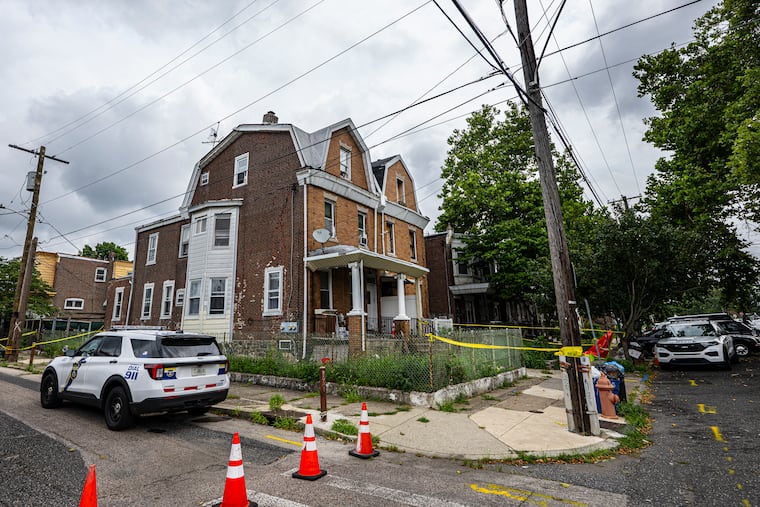
The Tower of Taxpayers: The city will soon own the 18-story tower at 400 N. Broad St., the beaux arts landmark that is the Philadelphia Police Department’s headquarters and was dubbed the “Tower of Truth” when it was the home of The Inquirer.
Council on Thursday voted 17-0 to approve legislation authorizing the city to borrow $200 million so it can own the building, part of a complex and controversial deal in which the city is buying outstanding debt on the property that is currently held by developer Bart Blatstein.
The purchase stems from an agreement inked in 2017 during former Mayor Jim Kenney’s administration. Under the terms of the deal, the city’s current $15 million annual rent on the building was set to nearly double if the city did not exercise a one-time option to buy the property.
» READ MORE: Philly City Council reluctantly agrees to borrow $200 million to buy the police headquarters building
Parker administration officials testified to a Council committee last week that, while the building is appraised to be worth $21.5 million, in order to purchase the structure, the city was required to assume the debt that Blatstein incurred to renovate the property.
Council members on the Finance Committee balked at the $200 million price tag and initially held up the proposal, but eventually approved the measure.
The city will issue bonds to buy the debt and will pay roughly $15 million a year in debt service.
Expanding the definition of ‘the line of duty’: The city appears poised to offer death benefits to the families of first responders who die by suicide, a change that amounts to an expansion of how the government defines a death that occurred “in the line of duty.”
Council approved legislation to offer pension payments, healthcare coverage, and other forms of compensation to the families of city workers who either had a diagnosed psychiatric disorder due in “significant part to exposure to one or more traumatic events in the line of duty” or died by suicide within 45 days of exposure to a traumatic event at work.
» READ MORE: Mayor Parker’s administration opposed giving death benefits to families of first responders who die by suicide
That was despite the city’s risk manager testifying last week to a Council committee that the Parker administration opposes the change. Sharolyn Murphy told Council members that the administration is focused on suicide prevention, and that expanding who is eligible for death benefits would result in higher costs to the pension fund.
Several members were deeply critical of the administration’s testimony, calling it “cruel” and “outrageous.”
On Thursday, Council approved the bill in a 17-0 vote, sending it to Parker’s desk with a veto-proof majority.
Quote of the week
A bittersweet Pride: That was Mark Segal, the publisher of the Philadelphia Gay News and one of the most recognized leaders of the city’s LGBTQ+ community. He spoke Thursday during a Pride celebration in Council, and he called for accountability following the police response to Pride festivities on Sunday that many have called heavy-handed.
Landau introduced legislation to hold hearings examining the police force’s tactics. It passed unanimously.