The Sixers wanted to prove they weren’t ‘front-runners.’ They passed the first test in their home opener.
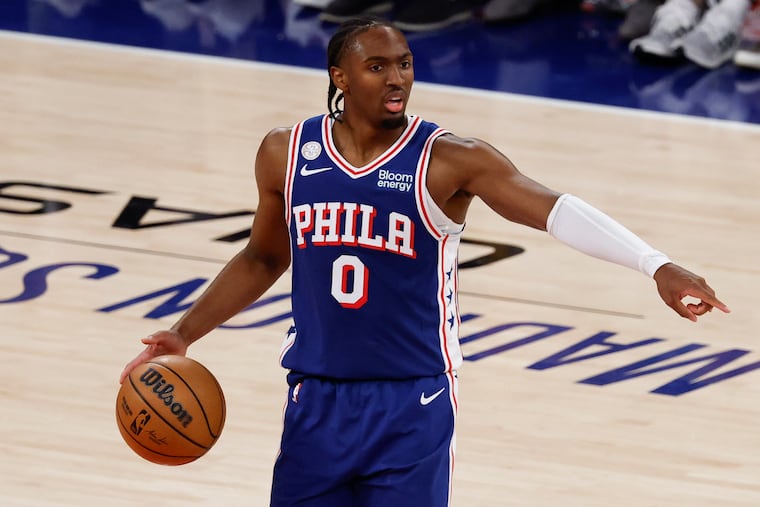
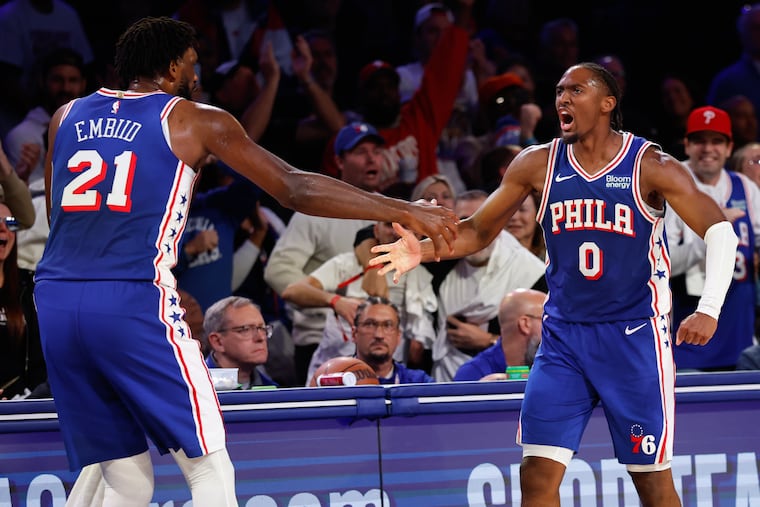
Guard Tyrese Maxey challenged the Sixers at halftime to respond after falling behind as much as 29 points to the Cleveland Cavaliers.
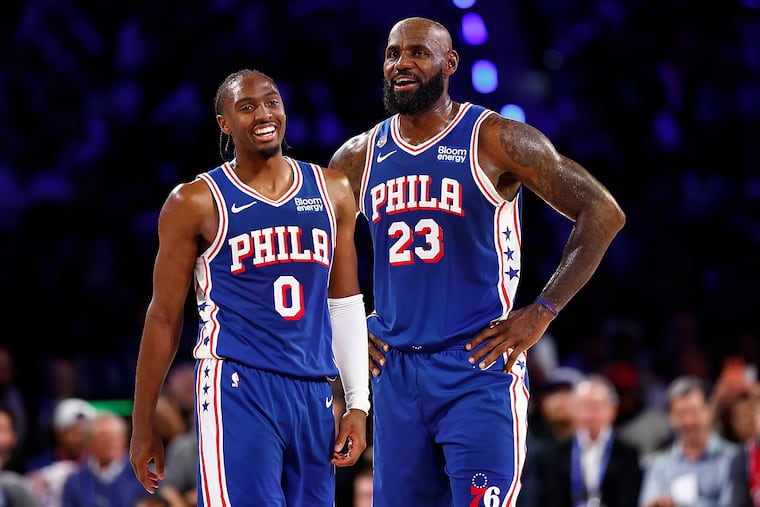
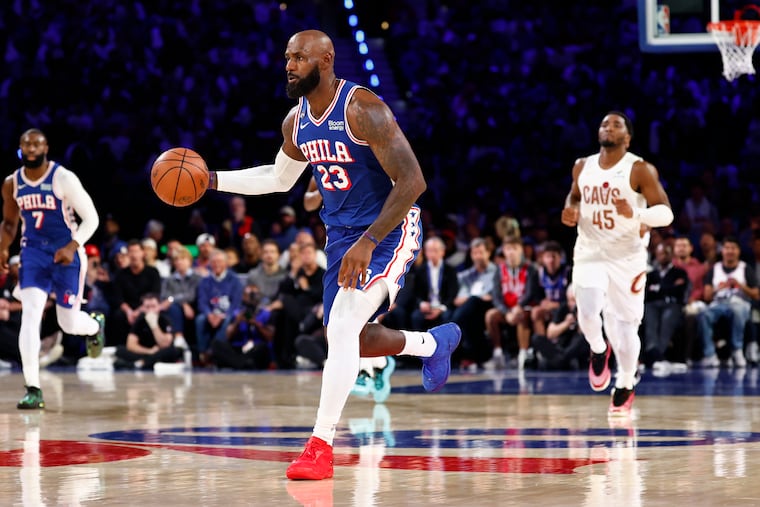
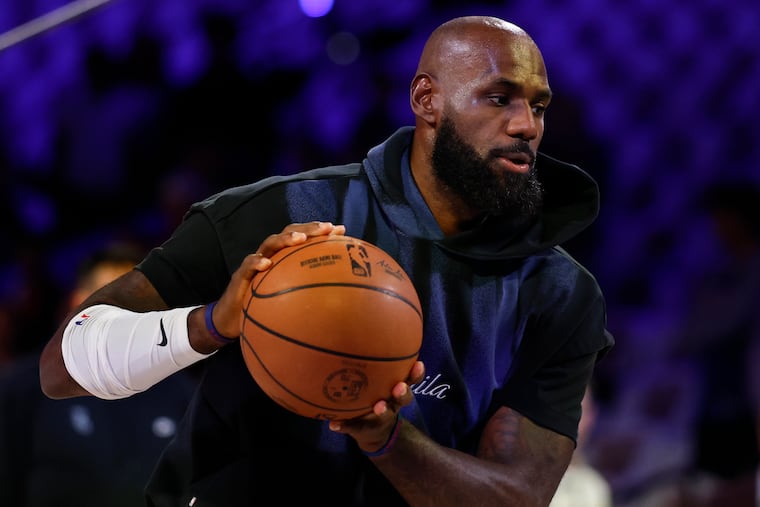
The honeymoon phase of the LeBron James era with the Sixers lasted only 24 minutes into the second game of the regular season.
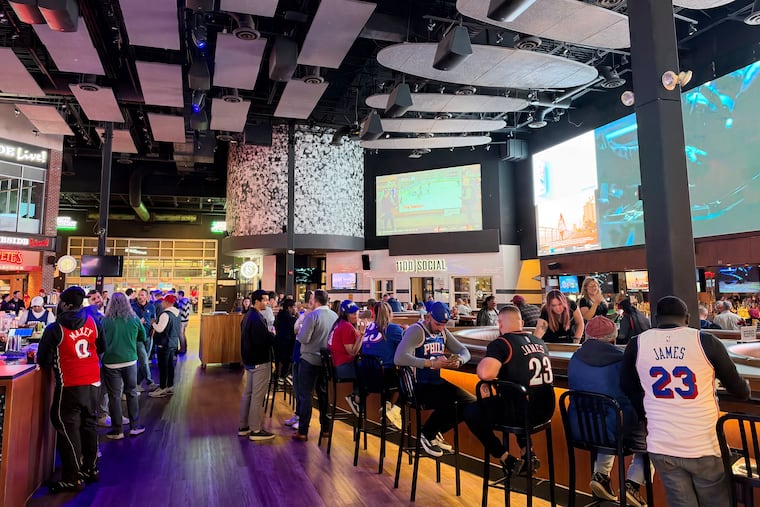
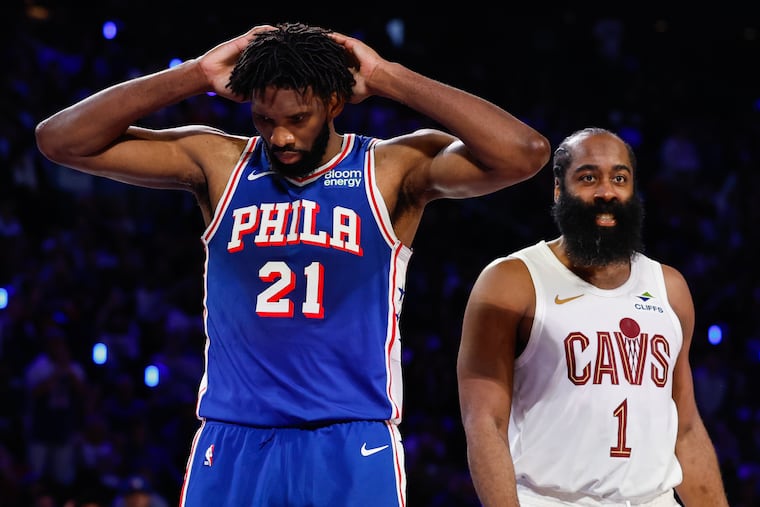
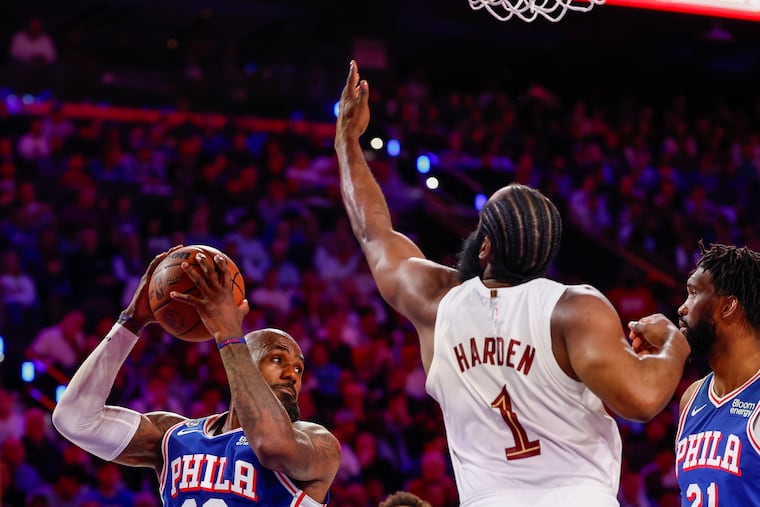
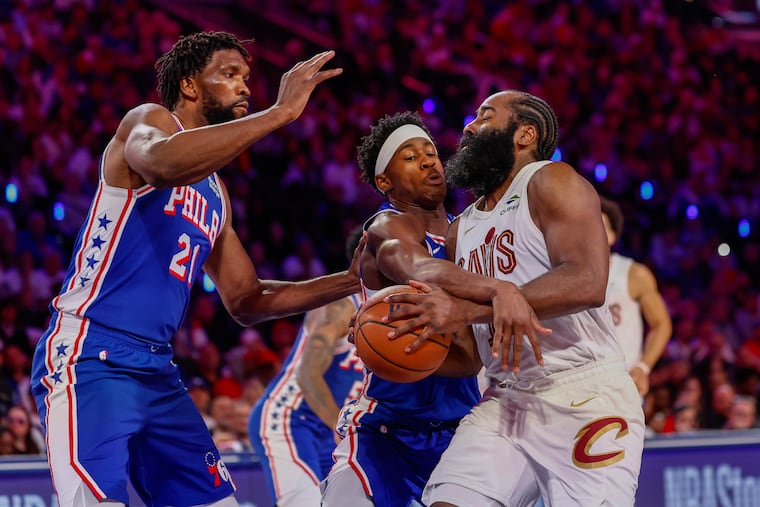
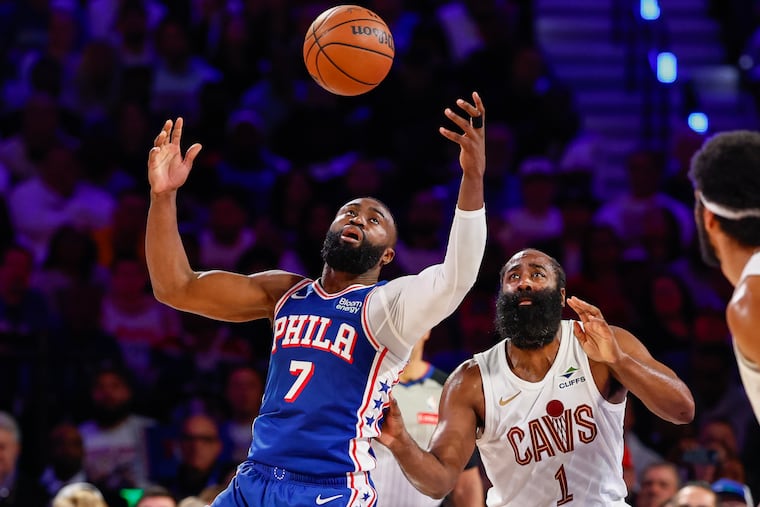
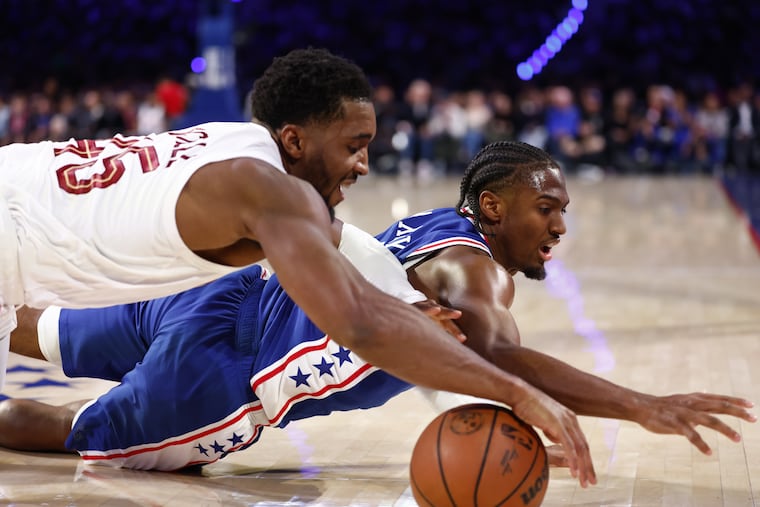
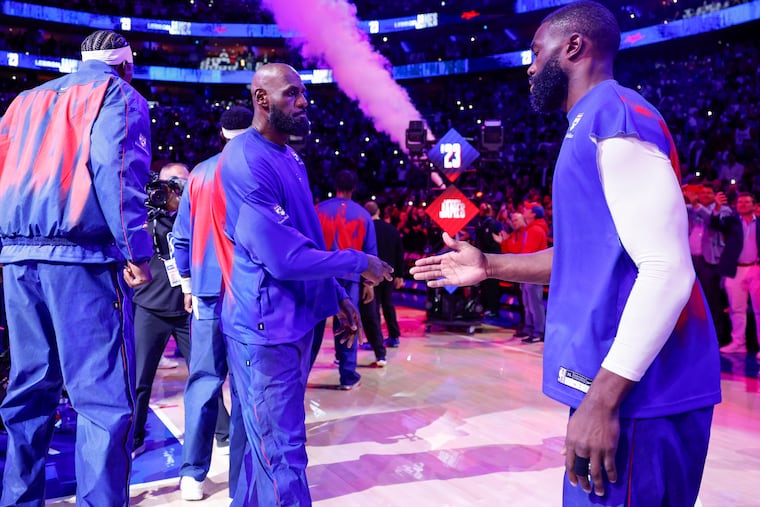
The Sixers were down 29 points in the first half to the Cleveland Cavaliers and 24 by halftime, and were playing so poorly that the crowd at Xfinity Mobile Arena, which was beside itself for pregame introductions, was already booing in the second quarter of the Sixers’ eventual 114-106 victory.
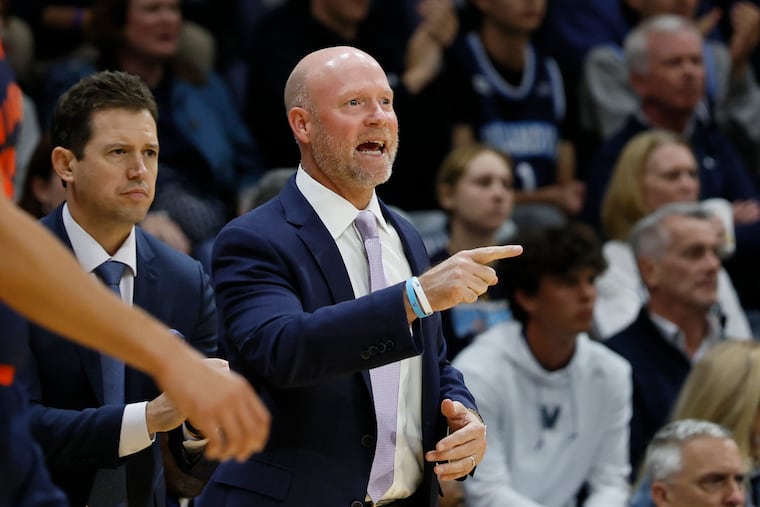
The team retreated to the locker room for halftime and Tyrese Maxey said he spoke up in what Nick Nurse called a “pissed” locker room. He didn’t say much, but he got his point across. Already, in the first week of the season, was a moment that was trying the resolve of these newly-formed Sixers.
“My only message that I had, I said, it’s time to see what we’re made of. Are we going to be some front-runners and digging in and only be happy when stuff is good?” Maxey said. “Or when stuff is bad, are we going to fight and be resilient?”
LeBron James and VJ Edgecombe said that was the overarching theme of the break, and when the Sixers came out of the locker room, they erased most of that deficit in the starters’ first shift of the third quarter and proved they could back up their words.
» READ MORE: LeBron James has finally made the Sixers a serious basketball team after a 29-point comeback in his home debut
“Well, let’s see what we’re made of at this point in the season,” James said of the locker room mood. “I don’t think we got a locker room full of lay-down guys. And there’s a lot of game to be played. So we answered the call.”
Added Edgecombe: “That game showed just a little bit of a testament to who we are, what we can be, and Tyrese was right. Are we going to be front-runners and just let the game go, come out slow, don’t play hard? Or are we going to respond?”
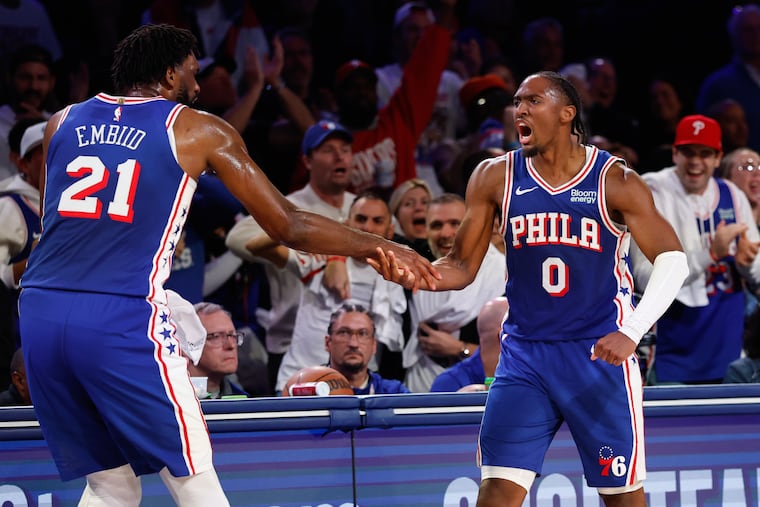
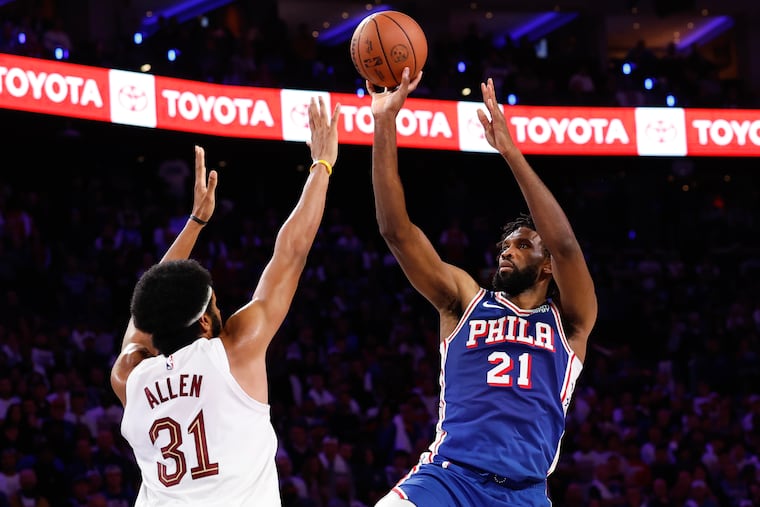
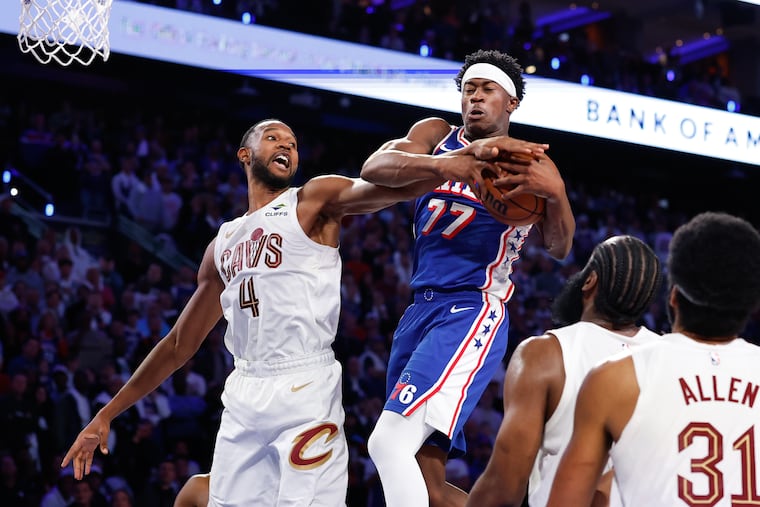
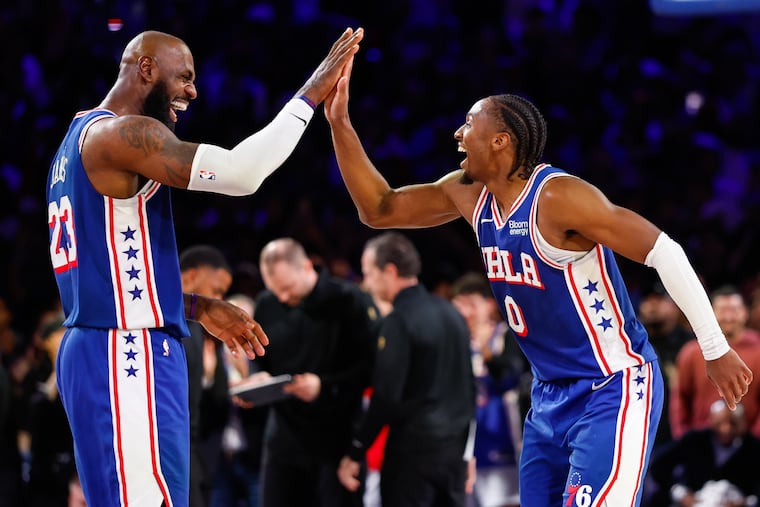
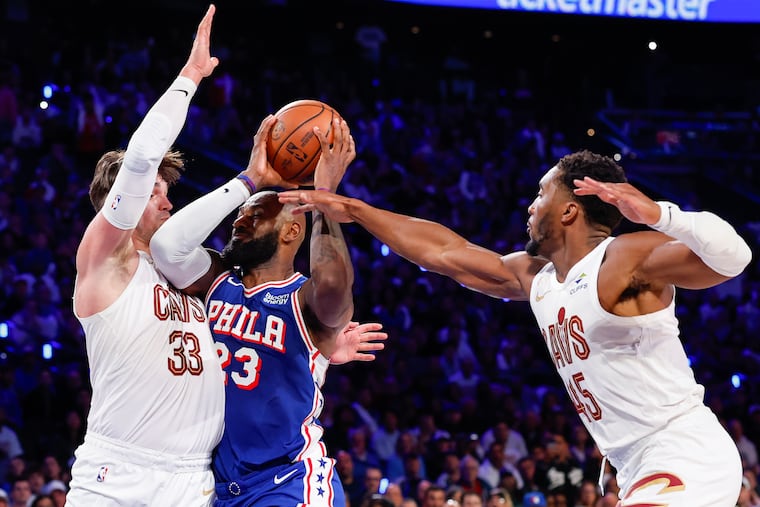
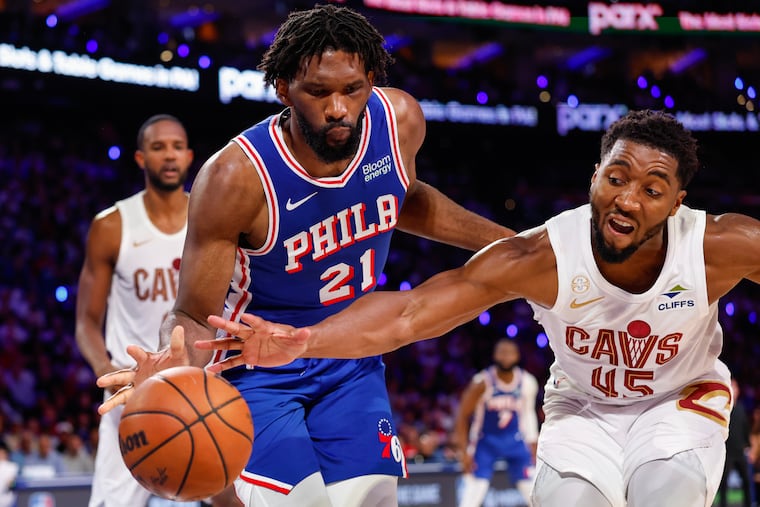
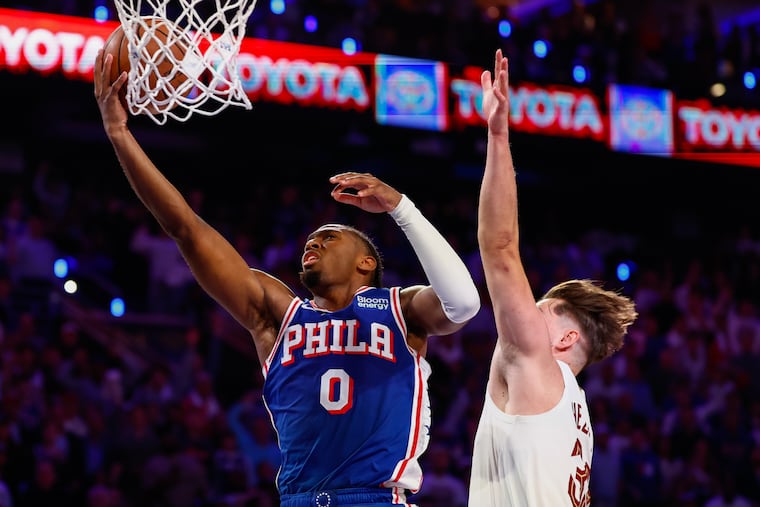
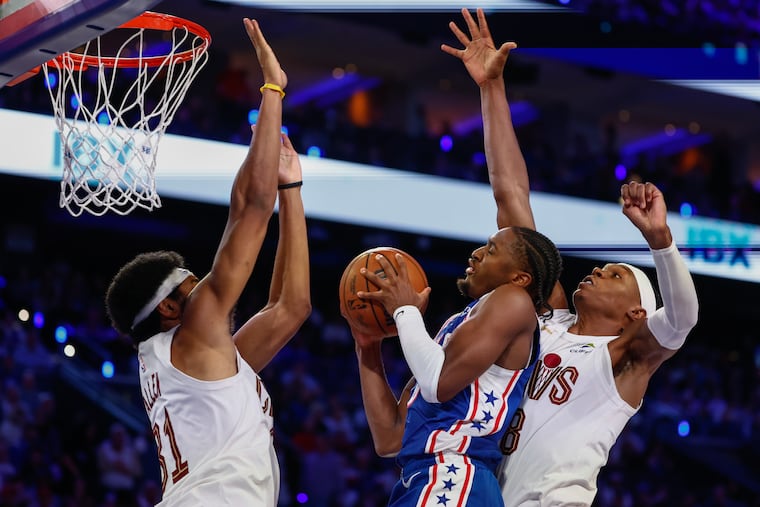
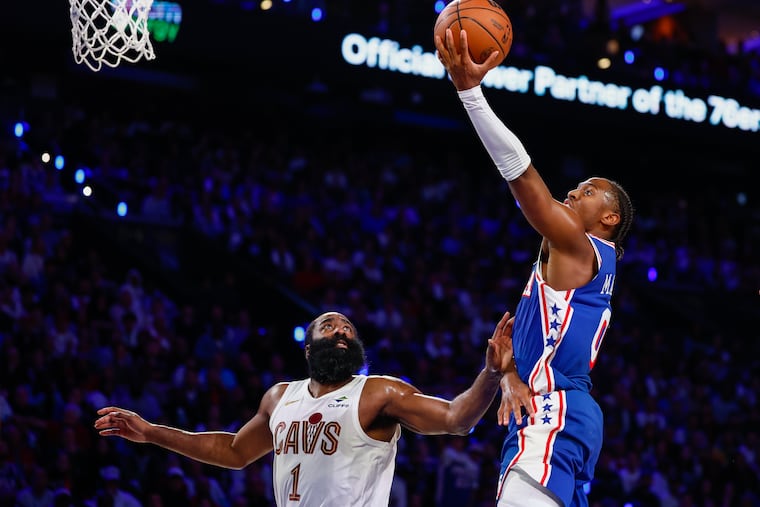
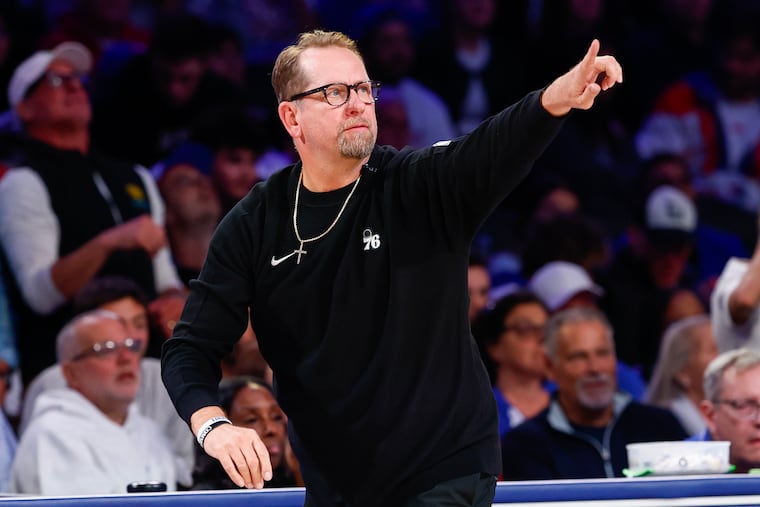
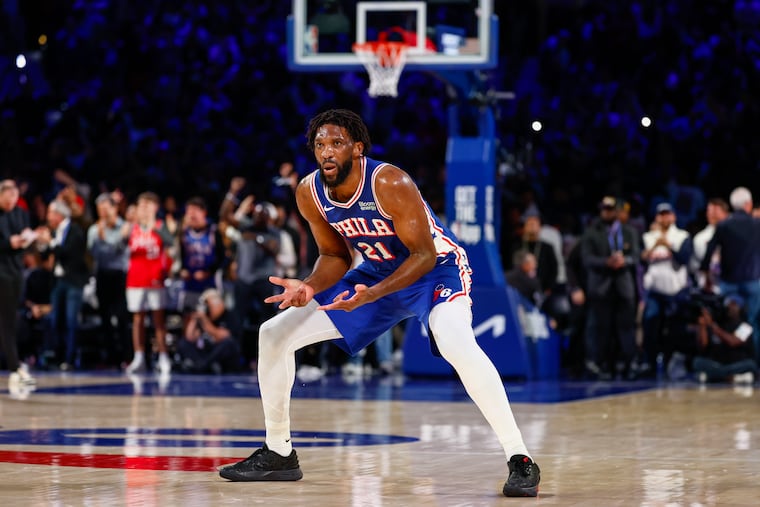
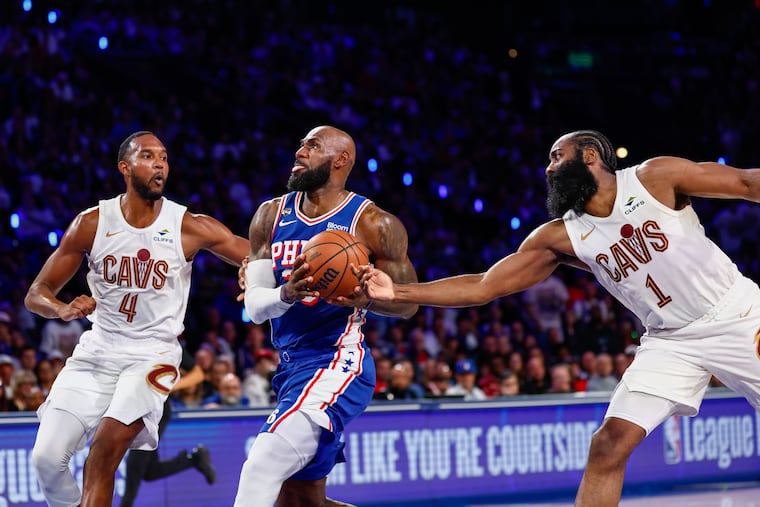
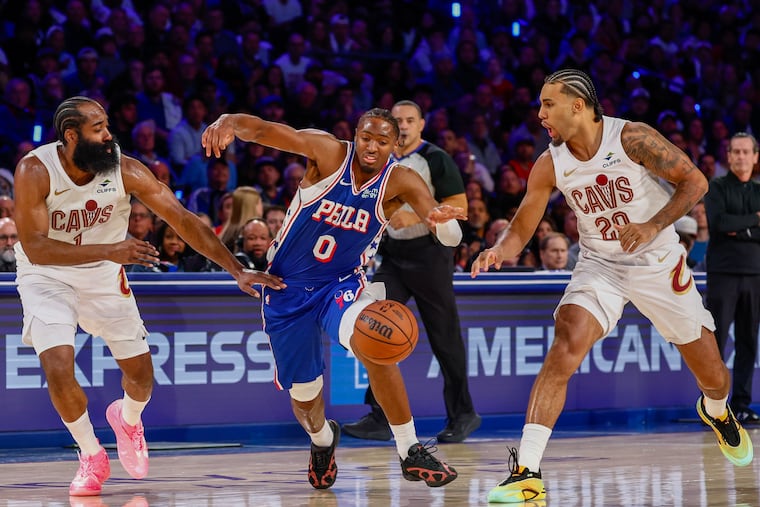
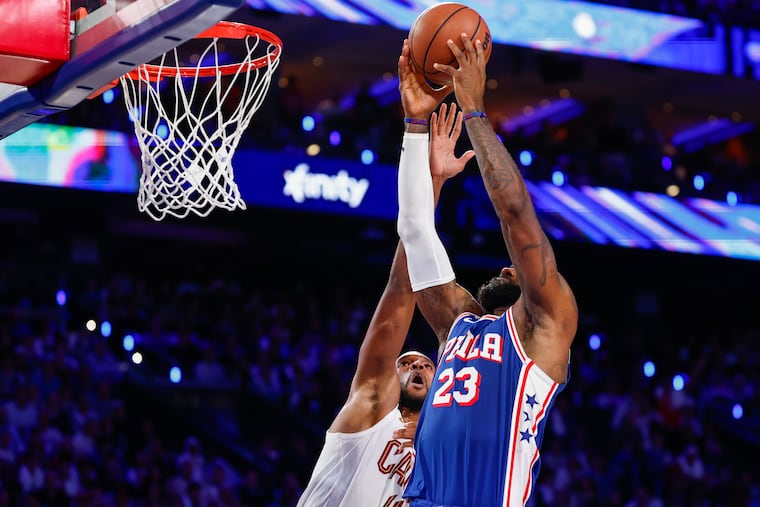
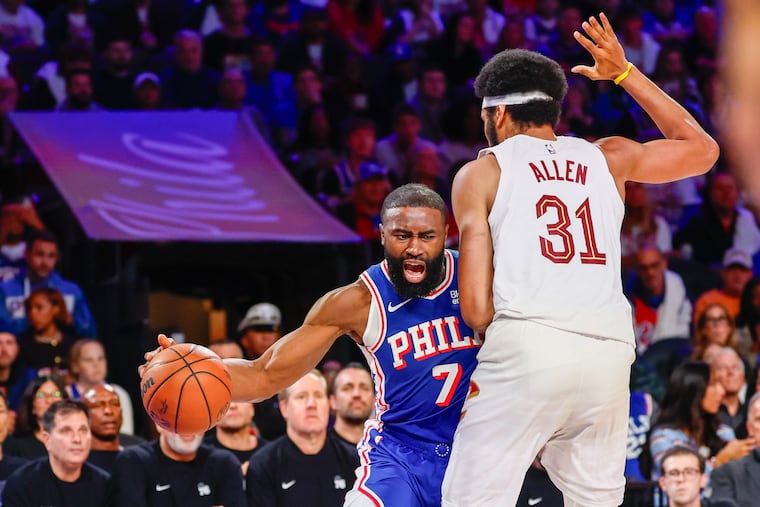
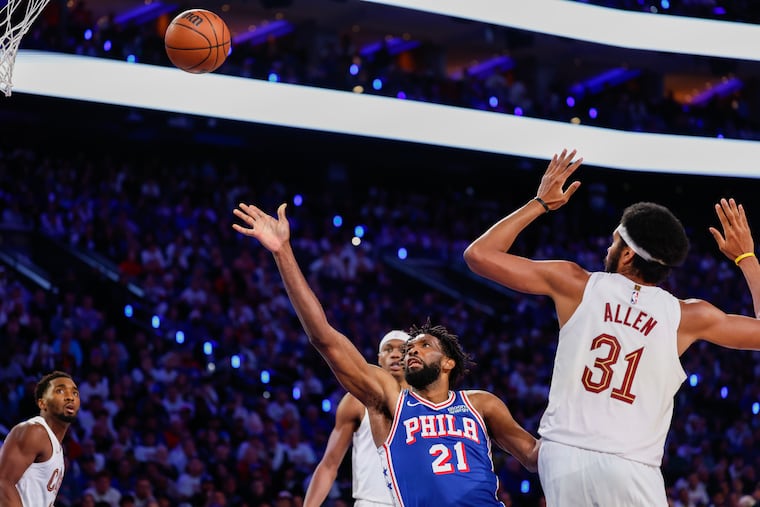
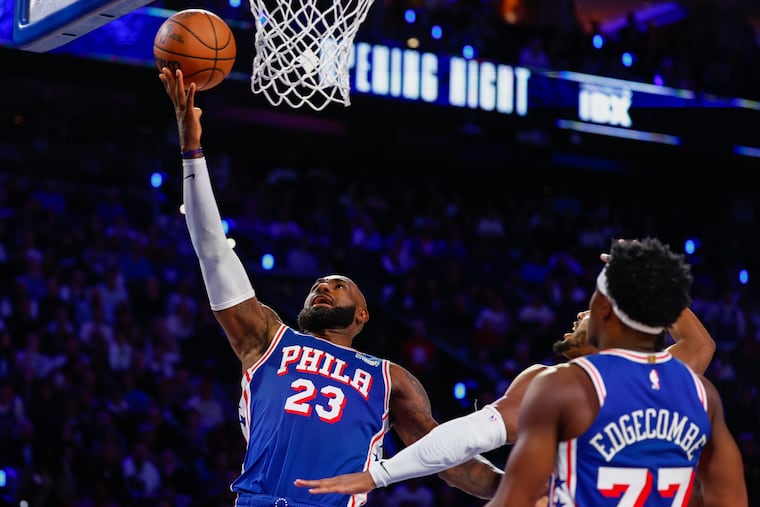
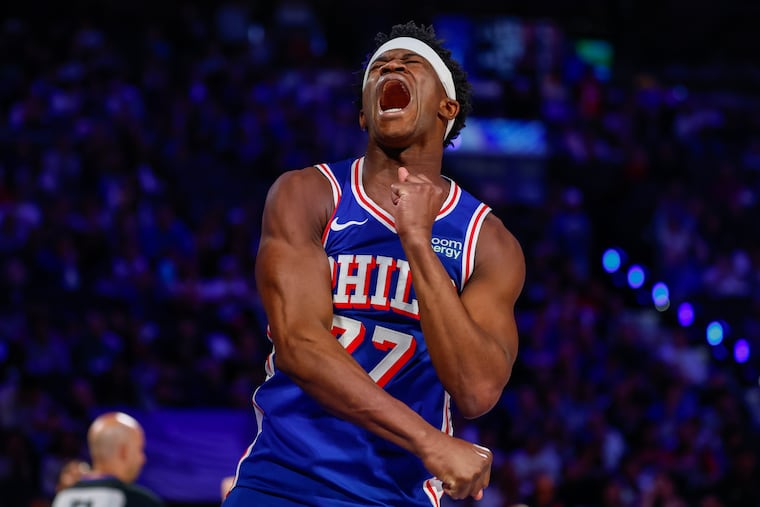
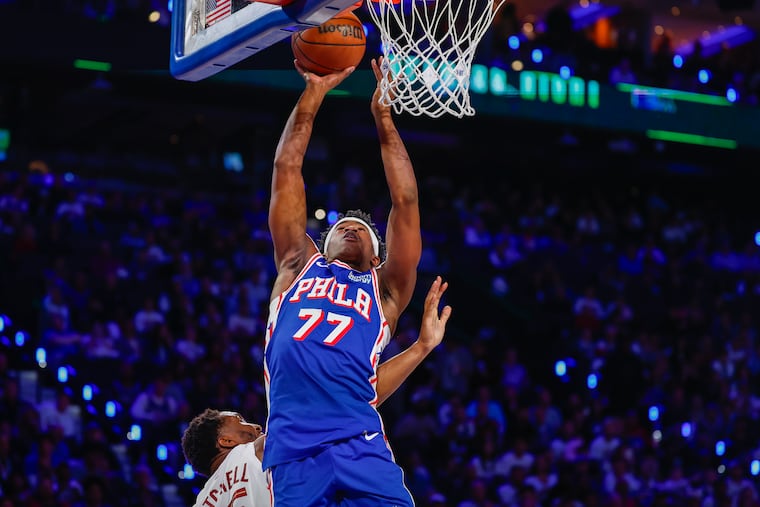
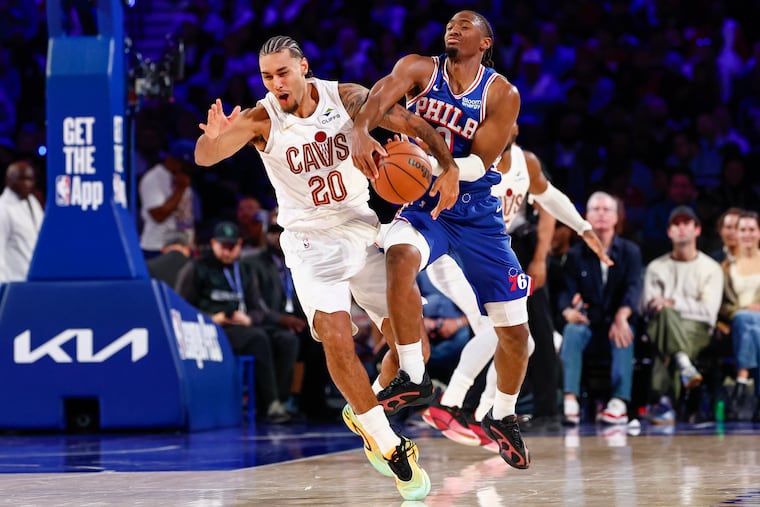
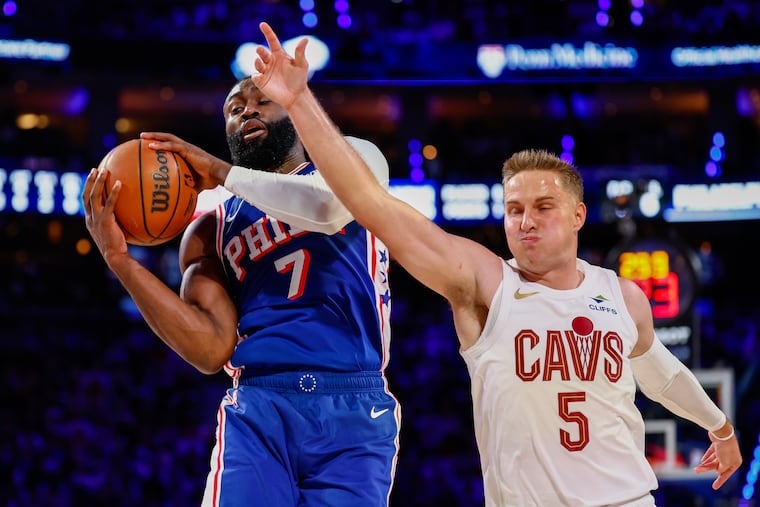
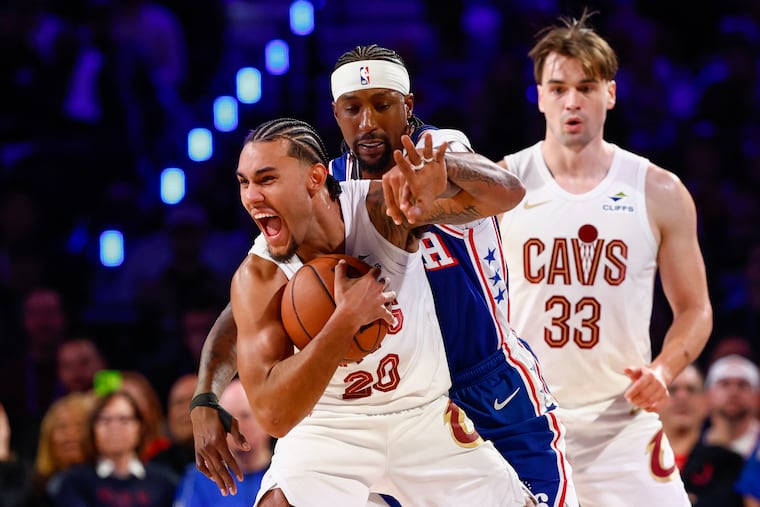
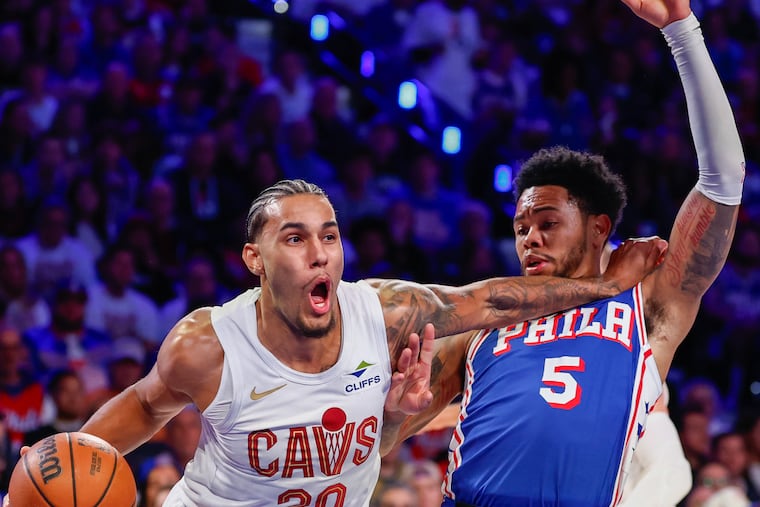
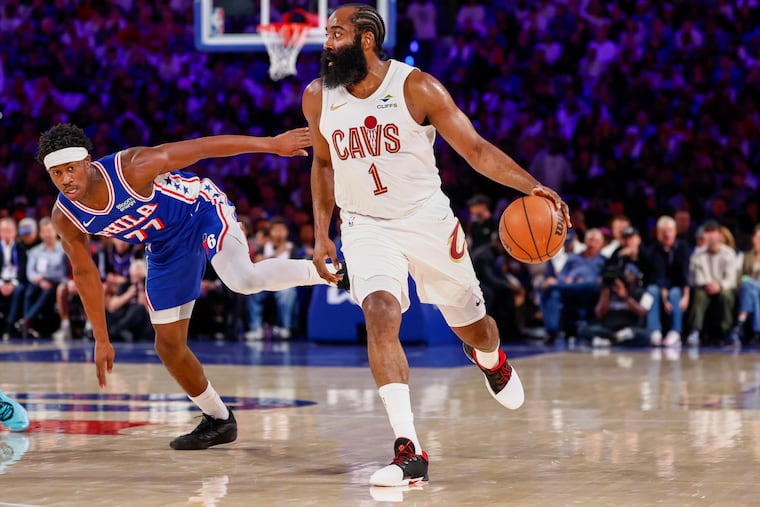
In listening to the Sixers talk after their win, there was a dichotomy between the jubilation they had on the court and the sobering observations they made about their night overall. There wasn’t a ton of jubilation in their voices, just recognition that, while the comeback was fun, they would prefer not to make it a habit.
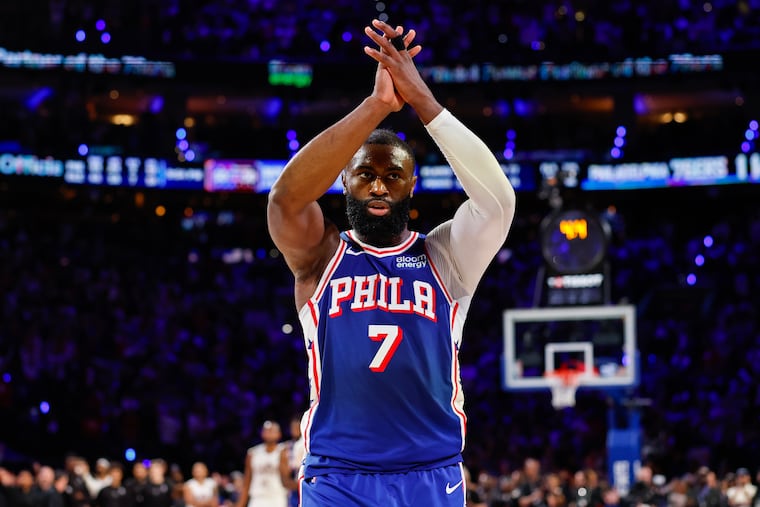
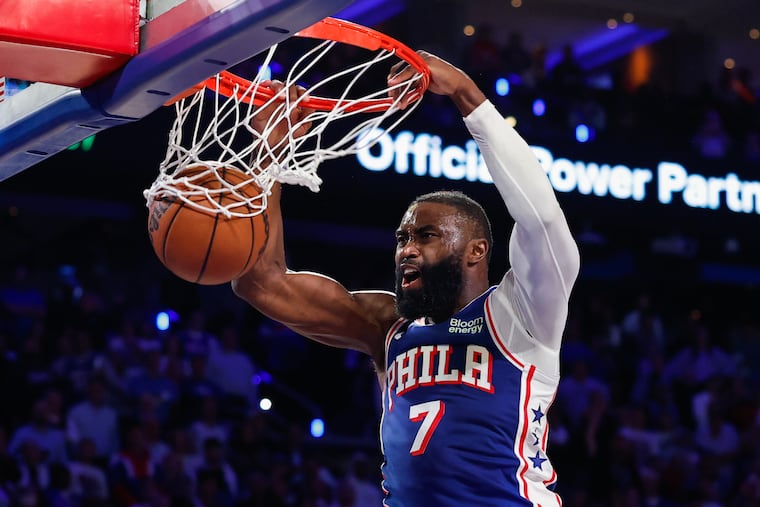
One moment Jaylen Brown was flexing for a deafening crowd after scoring on three straight possessions in the fourth to give the Sixers a seven-point lead.
Afterward, he said, in his typical quiet tone: “We came out, played hard in that second half and we was able to make up for the deficit, but we can’t expect that every time. So we got to be able to come out and be better in the first half. We got to move the ball, we got to punch gaps and things like that and we didn’t do a good job in the first half.”
Throughout training camp, Nurse repeatedly praised the team for being a “connected” group, even if the players were still getting to know one another. That sounds fine — until you’re faced with a 24-point halftime deficit in your second game. But the Sixers responded in a way championship contenders do in what turned out to be the largest comeback of James’ storied career. They did so, in part, because of their ability to communicate at halftime, which then turned into an 11-0 run to start the third quarter.
“It’s straightforward,” Maxey said. “It’s a lot of competitive guys in here ... big-time names on the back of the jerseys, but not like big-time egos when it comes to competing. So, you say something like that, J.B. would say something, and we all take it with a grain of salt.”
» READ MORE: Sixers beat Cavaliers, 114-106, after trailing by 29 points in wild home opener
Brown said the team’s communication was “clear” in the face of the big deficit. They passed one of the first tests of the season, even if they made the exam a little harder on themselves than they would have liked.
“It’s a great opportunity for us to respond to adversity,” Brown said. “It’s going to be ups and downs all year long. How we respond is going to be 80% of the battle. It’s a good sign that we came out, being down 30, we could have been pointing fingers. We got after it. So I like that.”

Beat reporters Gina Mizell and Chris Hine break down their most intriguing quotes from LeBron James and Tyrese Maxey during the preseason, along with what they most hope to learn about this revamped roster during the first month of the season. Watch here.
Watch the full interview below and subscribe to the Sixers Extra podcast on Spotify or Apple Podcasts.