Afghan civilian deaths exaggerated, U.S. says
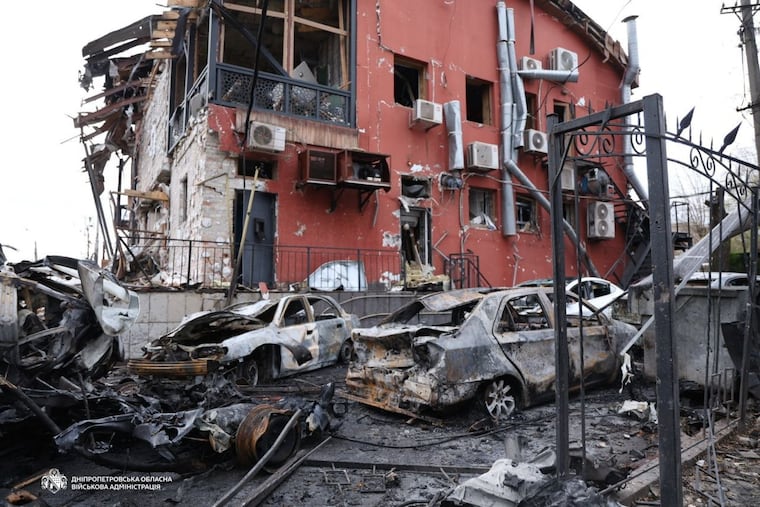
WASHINGTON - A preliminary investigation of a U.S. air strike in western Afghanistan this week found that it killed roughly 50 Afghans, U.S. military officials told McClatchy Newspapers yesterday.
WASHINGTON - A preliminary investigation of a U.S. air strike in western Afghanistan this week found that it killed roughly 50 Afghans, U.S. military officials told McClatchy Newspapers yesterday.
"The majority are insurgents," said a U.S. military official, who requested anonymity because he was not authorized to discuss the matter. "Only a small portion are civilians."
Local officials said that as many as 120 people were killed, and the incident added to the friction between the U.S. and Afghan governments as Afghan President Hamid Karzai met with President Obama in Washington this week.
"The air strikes are not acceptable," Karzai told CNN yesterday. "This is something that we've raised in the Afghan government very clearly, that terrorism is not in the Afghan villages, not in Afghan homes. And you cannot defeat terrorists by air strikes."
Shortly after the strike, local residents said that the Taliban had killed three families with grenade attacks on their homes and paraded them through town, claiming that Americans had killed them.
U.S. officials have not determined whether that attack happened, and on CNN, Karzai dismissed the reports of a Taliban grenade attack and said the United States caused all the civilian deaths.
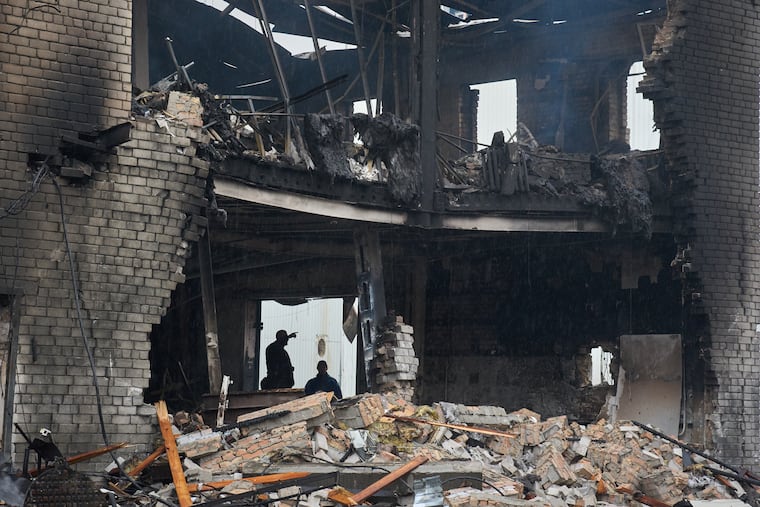
In a video obtained yesterday by Associated Press Television News, villagers are seen wrapping the mangled bodies of some of the victims in blankets and cloths and lining them up on the dusty ground.
In one shot, two children are lifted from a blanket with an adult already in it.
The man who shot the video said many of the bodies he filmed Tuesday in Gerani were in pieces. He spoke on condition of anonymity out of fear of retribution from security agencies.
The widespread U.S. use of air strikes in Afghanistan and the resulting civilian casualties and property damage have been among the issues that have strained relations between the United States and AfghanistanDefense Secretary Robert M. Gates, who was visiting Afghanistan yesterday, acknowledged that the United States should do a better job of explaining the air strikes to the Afghan people.
"Clearly we need to continue working on our strategic communications," Gates said. "What I think is most important is not necessarily what we say but what the Afghan government says, because they are likely to have more credibility with their own people."
The seven-hour incident began Sunday when Afghan police were patrolling a road and "fell into a deliberate, prepared ambush," said Col. Gregory Julian, a U.S. military spokesman in Afghanistan.
Some of the officers were killed, prompting the police to call in the Afghan army.
The army then came under attack, and the provincial governor called in U.S. forces to help. The U.S. forces eventually called in air support, said Julian, and after the air strike began, the Taliban moved into two remote villages separated by poppy fields "where heavy enemy fire came from," and the fight continued into the night.
Obama to Speak In Egypt in June
President Obama plans
a major speech from Egypt next month as
he seeks to repair U.S. relations with Muslims.
At least two other emotional highlights seem certain. Obama will visit the WWII German concentration camp at Buchenwald
on June 5. And he will be in France to honor the 65th anniversary of the D-Day invasion.
Obama said in Turkey
last month that the United States "is not and never will be at
war with Islam."
White House press secretary Robert Gibbs said that Obama chose Egypt for the June 4 speech because it
"in many ways represents the heart of the Arab world."
- Associated PressEndText