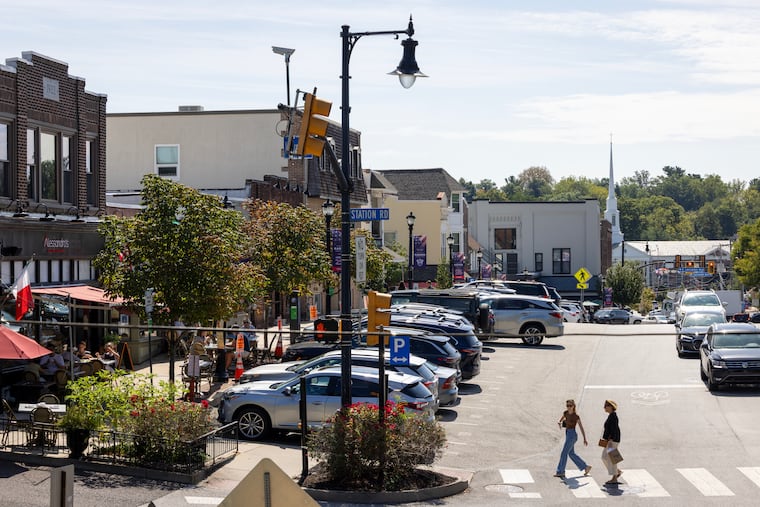
Why more than half the world has likely breathed unhealthy air this year
More than half of the world’s population was exposed to very high or extremely high levels of ground-level ozone pollution, or smog, between January and September, according to a report.
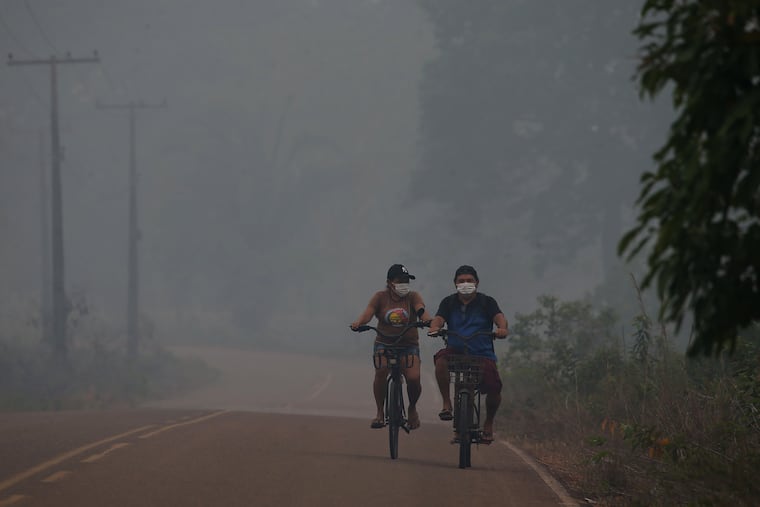
Extreme heat waves and wildfires have contributed to unhealthy levels of smog and smoke around the world so far in 2026, a recent global analysis of air quality trends found.
More than half of the world’s population was exposed to very high or extremely high levels of ground-level ozone pollution, or smog, between January and September, according to the September report by the Copernicus Atmosphere Monitoring Service, or CAMS, a program of the European Center for Medium-Range Weather Forecasts. The report uses air-monitoring data, satellite data and meteorological models to estimate the amount of air pollution and how it moved across the planet.
Ozone can cause lung problems, including shortness of breath, asthma, inflammation and infection, according to the Environmental Protection Agency. It is created when air pollutants, including methane and nitrogen oxides released by vehicles, power plants, fossil fuel production and other sources, react with sunlight and high temperatures. Climate change makes those warm air conditions all the more common, which means ozone is a stubbornly difficult pollutant to reduce.
Even as many countries have made progress in cutting the emissions that form it, high temperatures can outweigh those gains.
“Ozone concentrations stay stable, and one of the reasons why is that we have those heat waves,” CAMS director Laurence Rouil said in an interview. “Policymakers … will have to make more effort to deal with ozone because of climate warming.”
With the Northern Hemisphere having just experienced the hottest summer on record, experts said 2026 is shaping up to be another year of unhealthy air, continuing recent trends. In North America, the analysis found that more than a quarter of the population was exposed to “extremely” or “very” poor air quality when it came to ozone, and another 41 percent were exposed to “poor” air quality. (The report uses a World Health Organization guideline for ozone, which is stricter than that used by the United States.)
North America’s high levels of ozone in 2026 also have been driven, the report found, by wildfires, which release huge amounts of nitrogen oxides and volatile organic compounds. Those react in the atmosphere to create ozone in addition to releasing high levels of soot, or particulate matter, which is also dangerous for people’s lungs and heart.
Climate change worsens droughts through high temperatures, creating conditions ripe for fire. Wildfires break out more often and grow larger in a warming climate; one study found the frequency of extreme wildfire activity has more than doubled globally between 2003 and 2023.
“For Europe, it was terrible,” Rouil said of summer air quality. In addition to smoke drifting in from North America, historic wildfires in France and Spain played a role, she said, noting that wildfire smoke events “were quite intense this year.”
Rouil said the analysis shows why policymakers will need to make even more effort to cut air pollution in a warming climate. In the United States, however, regulations are moving in a different direction: The EPA under President Donald Trump’s administration has weakened several air pollution rules created under President Joe Biden, arguing that repealing the rules will save money for taxpayers and businesses.
For example, this year, the EPA has weakened Biden-era rules for coal-fired power plants on controlling soot, mercury and other heavy metal pollution; repealed carbon pollution rules on power plants; and relaxed fuel economy standards for vehicles.
Those changes worry air quality advocates.
“We would expect — and are very concerned — that more and more communities will be dealing with higher levels of local pollution” due to the rollbacks, said Will Barrett, assistant vice president of nationwide clean-air policy at the American Lung Association.
“The progress we’ve made to this point in reducing ozone, in many parts of the United States, is at a grave risk,” he said.