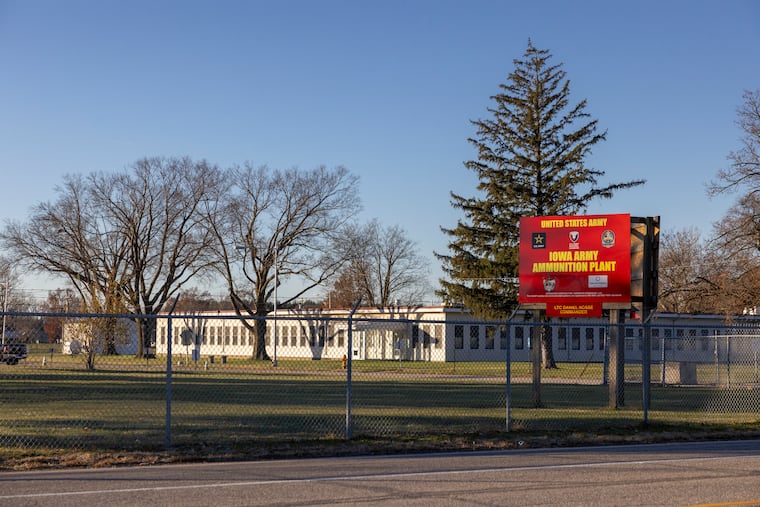
Army blows up bomb chemicals in Iowa despite fears a toxic plume could endanger residents
The U.S. Army has intentionally blown up 5 tons of bomb-making chemicals at an ammunition plant in southeastern Iowa.
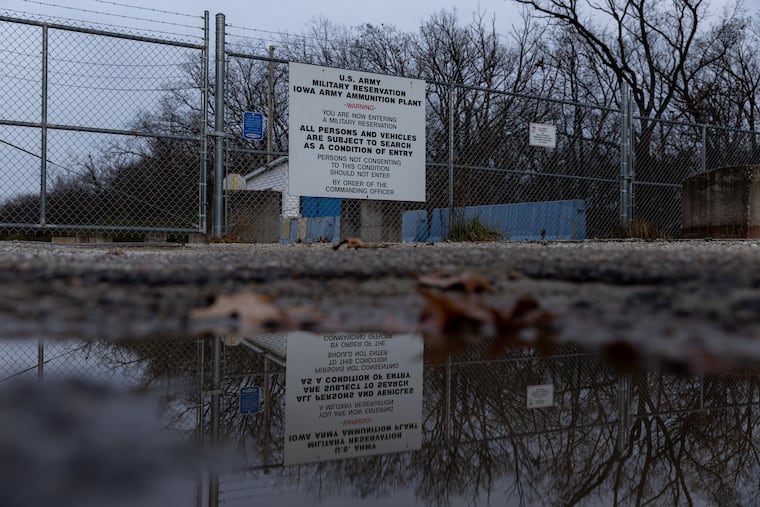
MIDDLETOWN, Iowa — The U.S. Army intentionally blew up the nation’s entire stockpile of lead azide at an ammunition plant in southeastern Iowa on Wednesday after officials said the degraded materials were at risk of exploding uncontrollably as temperatures cooled.
Video footage from several miles away showed two white plumes rolling over the detonation site before the clouds quickly dissipated. Journalists reported hearing a loud boom at the same time. Despite warnings to stay inside, some residents pulled to the side of a road to watch the blast upwind from the ammunition plant.
Environmentalists voiced concerns about possible health and environmental effects from the controlled detonation of the bomb-making chemicals at the Iowa Army Ammunition Plant in Middletown. But officials warned about the dangers of waiting too long, and a court ultimately cleared the way for the military to carry out the blast.
Officials advised people nearby to be ready to evacuate to avoid toxic dust in the air but also sought to assure them that barriers around the blast zone should limit much of the plume.
Some residents near Middletown sealed their windows and doors as a precaution to keep out any lead dust that may result from the detonation. Others who live farther away had raised concerns about the possible paths the plume could take depending on the wind.
The Army set up blast barriers around the bunkers where the 5 tons of lead azide was detonated and used ballistic gels and foams to absorb the lead dust. It said beforehand that it also would douse the materials with thousands of gallons of water.
Schools that weren’t already closed for the Thanksgiving holiday canceled classes, and a gas station near the detonation site posted a note on the front door saying they’d be back open once it’s safe. Some residents sealed their windows and doors as a precaution.
The blast originally was planned for last Friday. The Army changed the detonation date three times amid public backlash and to allow more time for safety measures and favorable wind, according to court documents.
The weather forecast around the expected time of the blast called for a gentle breeze to the southwest and temperature around the freezing mark — one of the concerns has been that the stockpile will become volatile as temperatures drop.
Government officials encouraged residents within 5 miles of the site to evacuate to avoid lead dust in the air, while also assuring them that barriers around the blast zone should limit much of the plume from the detonation.
But hundreds of homes and farms still could be in the path of a toxic dust cloud laced with lead — a metal that’s not safe at any level and is especially dangerous to children and pregnant women.
Decades-old lead azide was crystallizing, risking spontaneous detonation
The country’s stockpile of lead azide was brought to the Iowa location from bases around the country in 2009, according to Robert Cekada, director of the Bureau of Alcohol, Tobacco, Firearms and Explosives. The chemicals, used in munitions production, were stored in barrels in case the military needed to use them again.
During an inspection in March, staff at the ammunition plant found the lead azide had partially crystallized, making it sensitive to friction and cold temperatures and creating the risk of spontaneous detonation.
The Army assembled experts to formulate a plan, and they found that alternative solutions like thermal treatment and neutralizing the drums’ contents were not as safe as a controlled detonation.
Court gives final approval amid pushback from environmental groups
Environmental groups filed a lawsuit to halt the plan, but a court ruling on Monday put the detonation back on track. A federal appeals court found the U.S. Environmental Protection Agency adequately incorporated safeguards to minimize the dispersal of lead dust.
Residents expressed a mix of concern and resignation. Some said the timing could be better given it is happening the day before Thanksgiving but acknowledged it needed to be dealt with now. Others worried about the impact on water, farms, animals and their own homes.
“I don’t think lead danger goes away any time soon,” said Lucy Giehl, who lives nearby in West Burlington. ”It seems someone might have thought about all of this a little sooner before it came to this.”