Reject the longevity industry and embrace aging
Experts speak out against the quest to turn back time.
Supplements. Peptides. Protein-maxxing. Zone 2 training. Therapeutic plasma exchange. Off-label drugs. Tests, tests, and more tests.
The quest to live to 120, or the more modest goal of staying healthy into one’s 80s or 90s, has become a multibillion-dollar industry. But as the longevity movement has grown, so has the pushback.
Three books published in the last year capture a growing sentiment that a myopic pursuit of longevity is unrealistic, misguided and potentially harmful. The authors — a doctor, dietitian, and scientist — make the case that the industry is capitalizing on people’s insecurities and fears about growing older to sell them products they don’t need or that don’t work. Here’s what they recommend instead.
Eat ice cream (with friends)
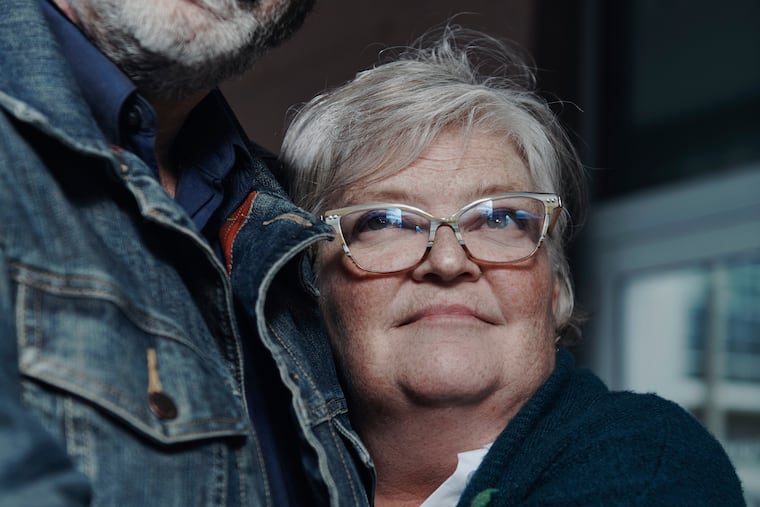
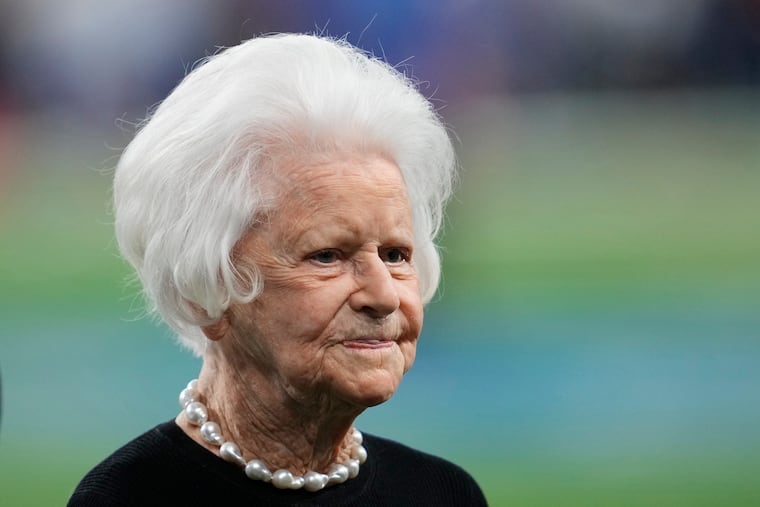
Ezekiel Emanuel has a radical personal stance on longevity: He has said he hopes to die at 75 and will refuse life-extending medical interventions past that age.
In his latest book, Eat Your Ice Cream: Six Simple Rules for a Long and Healthy Life, Emanuel, 69, doesn’t make the pitch that others should do the same, but he does criticize society’s longevity fixation. He especially takes issue with the goal of living longer just for the sake of living longer, and he argues that the preoccupation with longevity wrongly prioritizes time at the end of one’s life over having a full life now.
Influencers have made wellness “an obsession,” Emanuel said. “They made it the focus of life, and it can’t possibly be the focus of a meaningful life.”
Emanuel, an oncologist and professor of medical ethics and health policy at the University of Pennsylvania Perelman School of Medicine, said he was inspired to write his book after Peter Attia published his longevity manifesto, Outlive, in 2023.
“It just made me livid,” Emanuel said. That’s because out of over 400 pages, only the three-page epilogue acknowledged the importance of relationships, he said.
» READ MORE: Eating ice cream and paths to a healthy, fulfilling life, according to Penn expert Ezekiel Emanuel
The commonsense rules in Emanuel’s book address many of the pillars of longevity, such as exercise, sleep, a healthy diet, keeping the mind active, and avoiding self-destructive behaviors. But he thinks prioritizing relationships with others should be the primary focus, as the key to both a long life and a rewarding one.
“It’s simple, it doesn’t require a lot of money, and it’s not following a lot of the stupid things that you read, that you hear on Instagram, TikTok, wherever,” Emanuel said. “Reorient your life more to meaning and less to narcissistic obsessions with getting everything right.”
Embrace the changes
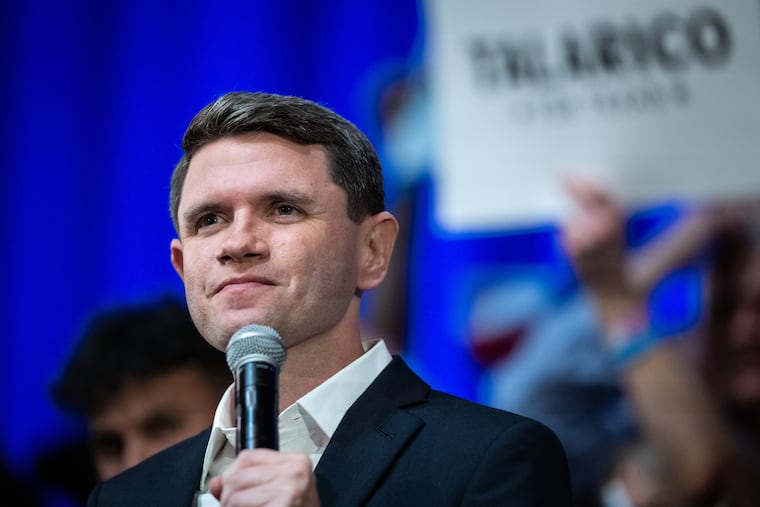
Deb Benfield, who has worked for decades as a dietitian specializing in eating disorder recovery, views healthy-aging messaging — particularly the kind aimed at menopausal women — as a new version of diet culture.
“I feel like we have a target on our backs when it comes to being sold and told that our changing bodies are a problem and are pathological,” Benfield said. “Perimenopause and older, there is just another layer of intensified pressure to treat our bodies as these never-ending projects.”
She calls out influencers for stoking fears about the changes that can occur during menopause and pushing supplements, intense exercise, and diet regimens as the solution. And while the recommendations are often couched in the language of healthy aging, like preventing osteoporosis and sarcopenia, the unspoken message is that, for women, healthy means maintaining an appearance that is thin and youthful.
Benfield said she wrote her book, Unapologetic Aging: How to Mend and Nourish Your Relationship With Your Body, to help women understand that “their changing bodies aren’t necessarily something to fear and fight.”
She encourages readers to mourn their old bodies, but she rejects the idea that changes like extra belly fat are inherently bad. And she argues that feeling shame about your body or anxiety about getting older can negatively affect your health by causing stress, which in turn can result in inflammation. Indeed, research has shown that internalizing ageist sentiments is associated with having more chronic health conditions.
Like Emanuel, Benfield is all for the fundamentals — eating nutritious food, moving one’s body, prioritizing rest — but she argues for a gentler approach focused on accepting, caring for and enjoying one’s body, not controlling it.
Second-guess the fairy tales
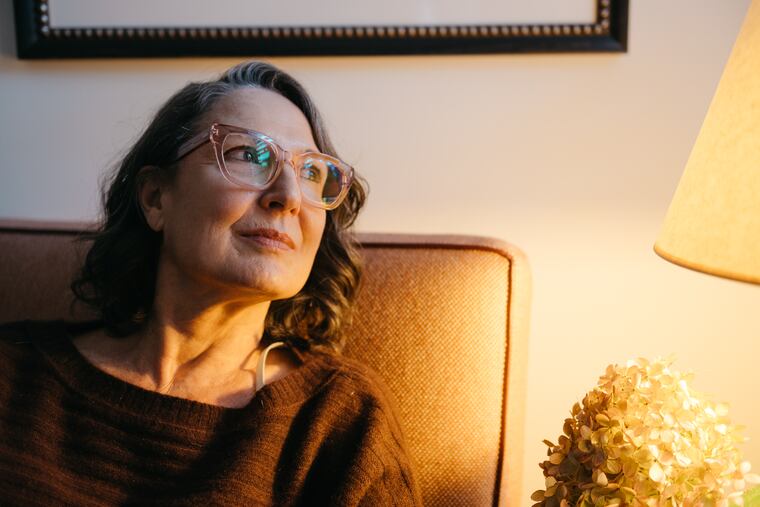
For roughly a decade, Saul Newman, a senior research fellow at the Center for Longitudinal Studies at University College London, has been a thorn in the side of researchers who study the upper limits of the human lifespan. In his recent book, Morbid: Debunking Modern Longevity Science, he states that much of longevity research has been built on bad data, bad statistics, and, in some cases, bad actors.
Newman has been especially critical of studies on centenarians, arguing that because of questionable recordkeeping, not all 100-year-olds are actually 100, so those insights into how to live longer are fundamentally flawed. He gained notoriety in 2024 for calling into question the validity of so-called blue zones — towns with disproportionately high numbers of healthy 90- and 100-year-olds — and the multimillion-dollar industry it spawned.
In Morbid, Newman presents as evidence the case of Jiroemon Kimura of Japan, who died in 2013 at the recorded age of 116. In addition to holding the world record for oldest man, Kimura was also documented as having two names, two birthdays, three wedding dates to the same woman, and three elementary school graduations. (A study verifying Kimura’s age noted that “although we found several date inconsistencies among documents and mismatches between told episodes and actual dates of events, no critical discordances were discovered.”)
Kimura is not the only Japanese superager with identity issues: In 2010, the Japanese government reported that it was unable to account for 230,000 centenarians, most of whom likely died years before their 100th birthday. And this problem isn’t unique to Japan; Newman cites numerous examples of error and fraud in birth and death certificates from India, Qatar, Greece, the United States, and elsewhere.
“This is a huge cultural failing,” Newman writes in regard to faulty data sets, “where people ‘overlooked’ bad data to perpetuate a myth.”
It’s not just demographic data Newman picks apart. He also cites examples of flimsy laboratory research, some of which has been used to sell longevity supplements. Newman calls out several people by name, including David Sinclair, a prominent longevity scientist at Harvard University who has earned millions off his research and who has a track record of making exaggerated statements, including that he has “reversed aging.”
Over the years, Sinclair has founded, consulted for or invested in at least 18 longevity-related companies, which sell everything from blood tests to supplements to skin care and dog chews. And while he is an extreme case, his conflicts of interest are not unique: Many of the leading longevity researchers have affiliations with companies that market direct-to-consumer products.
There’s a “very simple sort of devastating reason” for the questionable research and overblown claims in longevity science, Newman told The New York Times, “and that is that there is money to be made.”
“If you can just get that veneer of scientific respectability, you can make money,” he added.
Newman said he hoped that instead of buying the latest “magical cure from online,” people will focus on the basics. But, as he writes in his book, “If the alternative is exercise, sobriety and the unflinching acceptance of your own inevitable death, a considerable market share of humanity will buy an ‘antiaging’ fairy tale no matter how silly it becomes.”
This article originally appeared in The New York Times.