ICE arrests of food workers are driving up the cost of Thanksgiving turkeys, business group says
Immigration arrests have reached record levels across the United States, with food and farm workers a target
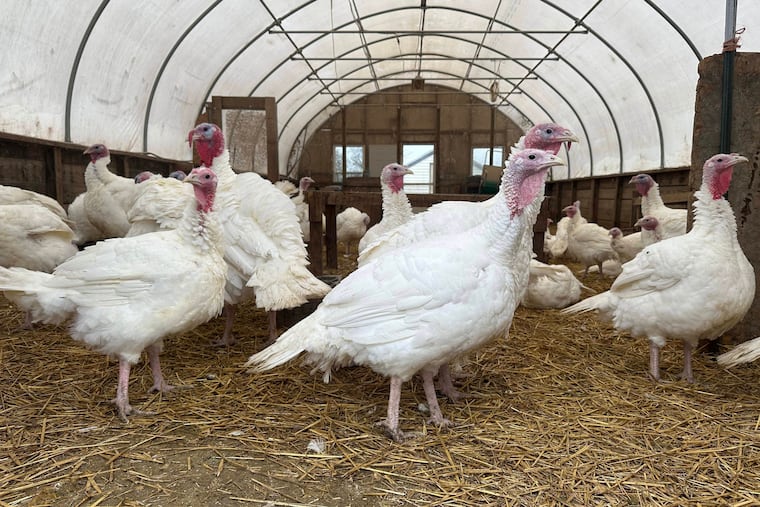
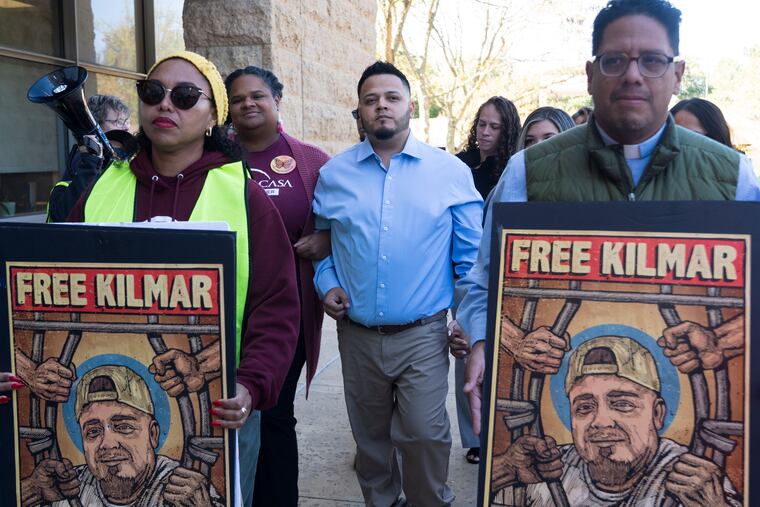
Mass ICE deportations of farm and food workers are helping to drive a hefty increase in the cost of the turkey headed to Americans’ Thanksgiving Day dinner plates, according to the American Business Immigration Coalition.
The cost of the bird is up 24% per pound, including in Pennsylvania, one of the nation’s top turkey-producing states. That means the price of a 15-pound turkey went from $15.53 last year to $19.35 this year, the group said.
“Targeting hard-working immigrants working on American farms, in food processing plants, and at dairies, threatens farmers’ ability to operate and makes our Thanksgiving meals more expensive,” said business coalition CEO Rebecca Shi.
She and others called on lawmakers to give Americans more to be grateful for this year, by granting legal pathways for long-term, law-abiding immigrants.
Efforts to reach ICE officials for comment were unsuccessful.
Arrests have reached record levels across the United States, with food and farmworkers a target.
Those arrests ― and fear of arrests ― can drive up prices by removing workers from farms and plants, creating higher labor and production costs that are then passed on to the consumer.
In those industries some employees are citizens, some have temporary permission to work in the U.S., and some are undocumented. That reality, noted Civil Eats, which covers U.S. food policy, has long been tolerated by employers and government officials because of the valuable labor those workers provide.
Now agricultural industry groups are warning that the Trump administration’s immigration crackdown is affecting the nation’s food supply, The Washington Post reported. Last week Gov. Josh Shapiro met with leaders in Lancaster to discuss the impact of federal enforcement on food that’s produced in Pennsylvania.
The American Business Immigration Coalition, a bipartisan coalition of 2,200 CEOs, business owners, and trade associations in more than 30 states, spoke about Thanksgiving food prices as the economic costs of federal immigration enforcement come ever more into view.
An analysis by University of Pennsylvania professor Zeke Hernandez found that foot traffic and spending fell dramatically in targeted metro areas in the aftermath of ICE activity and arrests.
He estimated Philadelphia saw a 193 million decline in visits to stores and workplaces and about $811 million in lost sales during the first year of President Donald Trump’s second administration.
The poultry-processing industry’s busy season starts in late summer and fall, as producers ramp up for the Thanksgiving and Christmas holidays. Pennsylvania produces 8.2 million turkeys a year, ranking eighth among states, according to the National Turkey Federation in Washington.
“These raids targeting long-term immigrant workers are driving up the cost of your Thanksgiving meal,” Christian Herr, president of the PennAg Industries Association in Harrisburg, said in a statement.
Trump and Congress have a chance “to get a historic win for affordability, our communities, farmers and the American people” if they create legal routes for workers, he said.
“I guarantee,” Herr said, “no one in the administration or Congress could do the jobs these workers are doing.”
ABIC said turkey prices increased 24% per pound, from $1.04 last year to $1.29 this year, based on a November 2026 analysis by Auburn University and the Alabama Cooperative Extension System.
Fully 68% of U.S. crop workers are foreign-born, and 42% are undocumented, according to an October report released by America’s Voice, an immigration-reform organization.
“The mass deportation agenda is making it harder for Americans to afford their Thanksgiving meal,” said Vanessa Cárdenas, Executive Director of America’s Voice.
ABIC said foods that rely heavily on immigrant workers have grown more in price than groceries overall since January 2025. For example, apple prices rose 7.2% between January 2025 and August 2026, but grocery prices as a whole grew by 3.4% during that time, the group said.
That comes as farms, dairies and poultry processors struggle to find workers amid record arrests. The absence of workers who have been arrested or who stay home out of fear compounds farmers’ already stiff challenges of tariffs and higher fuel and fertilizer costs.
Rachel Roberts, president of the American Mushroom Institute, said it’s unacceptable that any farm should have to worry if their employees will be detained.
“Thanksgiving is the biggest week of the year for mushroom producers and sales,” she said in a statement, “and it is the time of the year when we are reminded that when people come together to grow and share the bounty, everyone benefits.”