Trump administration reboots USAID website with unredacted memos, emails
Former USAID administrator Samantha Power called the files “a baffling hodge-podge chosen by people who will do anything to avoid taking responsibility for their lethal mistakes,”
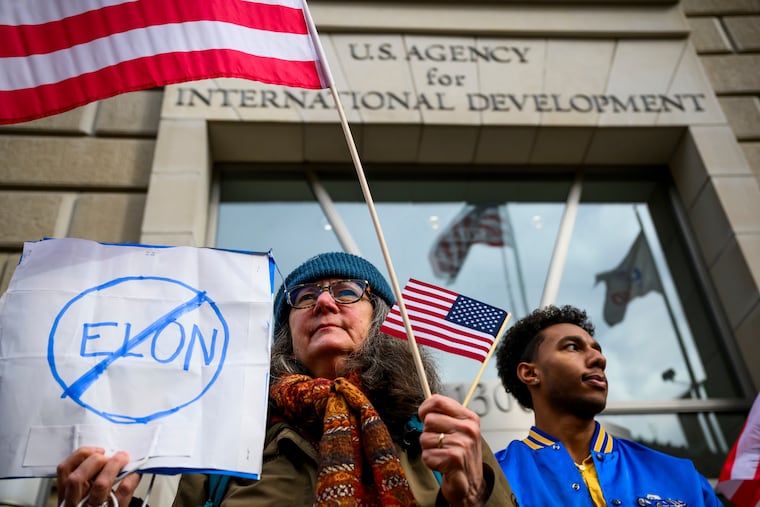
The website of the United States Agency for International Development, the government foreign aid agency gutted in the early days of the second Trump administration, returned to the internet on Tuesday.
But it now consists entirely of a trove of unredacted documents intended to show how “USAID was weaponized to advance a radical agenda fundamentally at odds with American values,” according to the text on the website.
The “USAID Files,” as they are labeled, consist of videos of internal presentations, reports, and employee emails presented without captions or context.
USAID’s original website was taken down and replaced with placeholder text in February 2025, when more than 80% of its programs were shut down by Elon Musk’s U.S. DOGE Service and the remainder merged into the State Department.
Most of the more than 200 documents posted on the site concern USAID’s work to identify and combat misinformation and disinformation as well the agency’s communications with social media companies.
Mike Benz, a right-wing influencer who appears to have been involved in the files’ release, claimed in a post on X that the files showed how USAID “set itself up as a legal & regulatory body to force US platforms to censor by getting other nations to pass censorship laws.” Benz, who briefly worked at the State Department in the closing weeks of President Donald Trump’s first term, is a prominent critic of USAID whose social media posts were often approvingly cited by Musk.
The decision to publish the files was strongly criticized by veterans of the agency. Former USAID administrator Samantha Power called the files “a baffling hodge-podge chosen by people who will do anything to avoid taking responsibility for their lethal mistakes,” in a statement to the development industry news site Devex.
A 2025 study published in the British medical journal, the Lancet, estimated that if cuts to USAID-funded programs continue, it could lead to more than 14 million additional deaths around the world by 2030, including more than 4.5 million children under 5.
In a statement, Aid on the Hill, an organization of former aid professionals formed after the DOGE cuts, criticized the decision to publish unredacted names in the files, writing that it “endangers former USAID staff along with the local organizations and private sector partners that worked with the United States, often in places where ties to the U.S. government invite retaliation from hostile governments and armed groups.”
Benz suggested on X that more documents are coming, posting, “This drop is just the beginning. Y’all aren’t ready for what’s coming next,” along with a video generated by artificial intelligence of a man being swept away by a tsunami. Office of Management and Budget Director Russell Vought also posted on X that there are “more batches to come” and that the administration would fight Democratic efforts to reopen the agency.
The State Department, which has subsumed USAID’s remaining operational programs, did not immediately respond to a request for comment, but in a statement to the Organized Crime and Corruption Reporting Project said that while it was not involved in the publication, “the Trump Administration takes seriously its obligation to protect U.S. taxpayer dollars from waste, fraud, and abuse, and the Department of State welcomes this release.”