CIA had ‘low confidence’ in Iranian threat before Trump switched planes in Turkey
CIA had doubts about Israeli intelligence on a threat to Trump in Turkey that prompted an extraordinary secret flight.
U.S. intelligence officials were skeptical of an Iranian assassination threat against President Donald Trump that was relayed by Israel and prompted an extraordinary clandestine maneuver that saw him secretly fly out of Turkey in an alternate military aircraft, current and former U.S. officials familiar with the intelligence said.
The assassination threat was relayed by the Israeli government to the CIA, where analysts did not view the intelligence as compelling and conveyed that skepticism to Trump administration officials, one of the officials said.
Another official called the reports of threats against Trump’s life “Israeli-derived, not U.S.-generated, and viewed as low confidence.”
The doubts in some quarters about an imminent threat to the president add a new element to the White House’s decision last month, first reported by the Washington Post, to shield Trump’s whereabouts as he departed a NATO summit in Ankara, Turkey, on July 8.
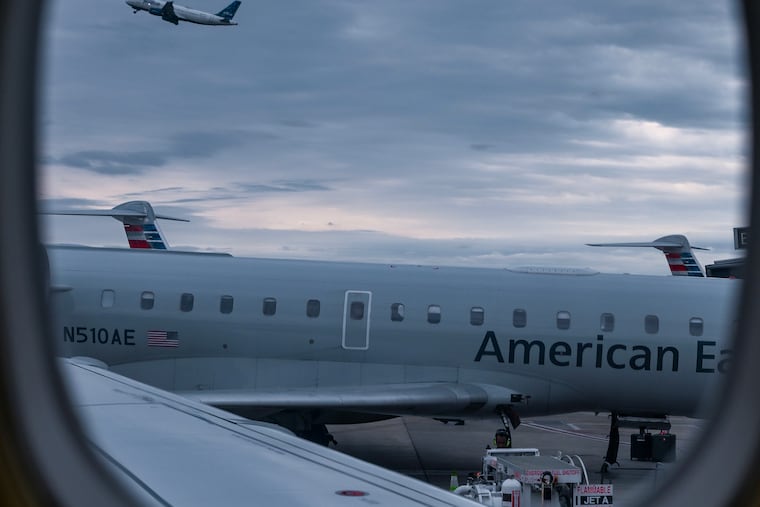
As the Post first reported this week, after concerns arose about whether the new 747-8 plane gifted by Qatar had sufficient security measures to transport the president out of a potentially hostile environment, Trump boarded a legacy Air Force One in Ankara. But he secretly left that aircraft and was shuttled in an airport catering truck to a third plane, an Air Force C-32A, that flew him and a few key aides to Britain.
The White House on Wednesday did not directly answer questions about the intelligence the United States received or how it was perceived by U.S. officials.
“As the President has said, he has faced numerous threats on his life, including ones from Iran, and every measure is taken to ensure his safety,” a U.S. official said in a statement, speaking, like others in this report, on the condition of anonymity because of the sensitivity of the issue. “The United States Secret Service’s core mission is protecting the President, which they achieved.”
The CIA declined to comment. The Israeli Embassy in Washington did not immediately respond to a request for details.
Ultimately, the White House and the Secret Service appear to have decided they could take no chances.
The Iranian threat to kill Trump and other senior U.S. officials has been a major concern since the 2020 U.S. assassination of Qasem Soleimani, the head of Iran’s Quds Force. Those worries have only grown since the killing of Iran’s supreme leader in February along with scores of other top officials at the start of the Iran war.
Trump has survived three known assassination plots dating back to his 2024 presidential campaign, although there is no known link between any of the suspects in those instances and Iran.
Despite questions about the Israeli intelligence, the elaborate plan enacted by the Secret Service in Ankara was done out of an abundance of caution, the first U.S. official said. “The Secret Service has had three near misses with this president, so they’re not taking any chances,” the official said. “They did what they had to do.”
The Wall Street Journal first reported last month that Israel had shared intelligence with the U.S. government on the Iranian threat.
The aircraft that ferried Trump from Ankara to Britain’s Mildenhall air base was escorted by F-16 fighter jets, according to two U.S. officials and other material reviewed by the Post.
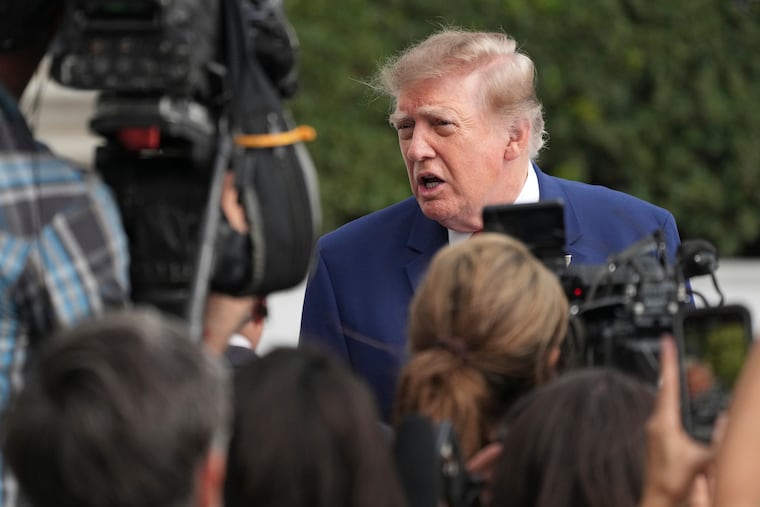
Trump, in his first public comments on the clandestine operation, said Tuesday night that the decision for him to take an alternate airplane was made by the Secret Service.
“It’s really just up to Secret Service. I just follow what they like to do,” Trump told reporters. “They wanted me to go on a different flight, a different plane, equal safety. … I do what they say.”
Some U.S. intelligence officials saw Israel’s sharing of the warning about threats to Trump’s life as designed less to inform than to influence the president’s decision-making and U.S. policy in the region, a current and a former U.S. official said.
Israel views Iran as by far its most urgent near-term threat. But it views Turkey as a medium- to long-term threat and is anxious about warming ties between Washington and Ankara, bolstered by the personal rapport between Trump and Turkish President Recep Tayyip Erdogan, the current official said.
It “fit a broader pattern of Israeli intelligence reporting that some officials see as designed as much to shape presidential decision-making as to inform it,” the former official familiar with the matter said.
This person said he understood that Secretary of State Marco Rubio was briefed on the Israeli threat intelligence, as well as the subterfuge planned by the Secret Service, and nonetheless opted to board the legacy Air Force One, which presumably would have been a target for Iran.
Another U.S. official familiar with the security discussions also questioned the seriousness of the threat, noting that tens of thousands of Turkish security personnel were incorporated into the NATO summit.
Democrats have pushed the administration to provide more clarity on the extraordinary deception operation.
“I am very curious about the extent to which the Israeli-provided intelligence was not only credible but independently verifiable,” Sen. Chris Van Hollen (D., Md.) told the Post. “I have no doubt that Iran would like to see the president gone, but this all seems a little fantastical.”