Would a Republican Senate really try to repeal Obamacare?
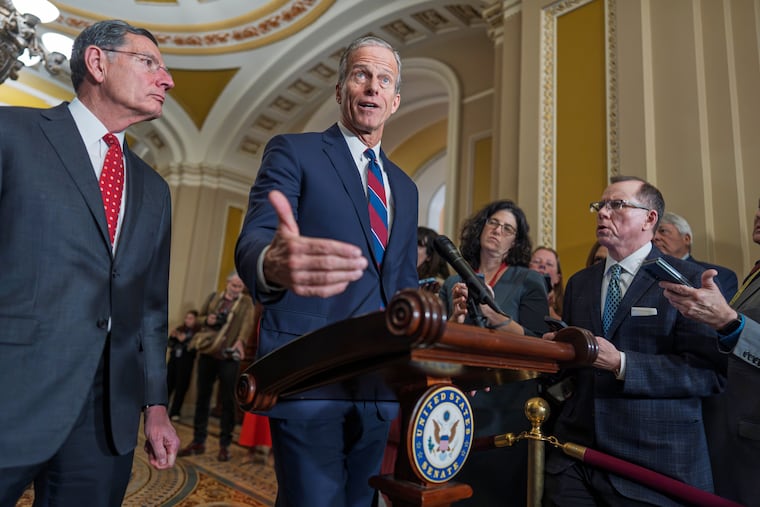
Senate minority leader Mitch McConnell, who would become majority leader if Republicans take the Senate in Tuesday’s election, promises to use the position to repeal Obamacare.
Senate minority leader Mitch McConnell, who would become majority leader if Republicans take the Senate in Tuesday's election, promises to use the position to repeal Obamacare. Can he accomplish that? More importantly, does he really want to?
A full rollback of the law would require 60 votes to overcome a likely Democratic filibuster, and Republicans are highly unlikely to gain that many seats. And a rollback would face an all but certain veto by President Obama.
But McConnell has other tools at his disposal. He can use the budget reconciliation process to cut funding for the law and throw new roadblocks in the way of its implementation. That would require only a simple majority. His ability to do that was aided by the Supreme Court's ruling in 2012 that the law's penalty for not maintaining health insurance is a form of tax, which makes it a budget item.
Aside from attempting full repeal and cutting funding, McConnell could try to garner enough Democratic support to pick away at pieces of the law. Especially vulnerable provisions include two new taxes - one on medical devices and one on high-end insurance plans that is scheduled to take effect in 2018.
But despite his pronouncements, does McConnell really want to repeal Obamacare? He has already conceded in an interview with Fox News that a repeal effort would be futile.
And he has admitted that he actually wants to keep parts of the law.
Obamacare has been extremely successful at reducing the rate of uninsurance in McConnell's home state of Kentucky, and he says he wants the state to be able to keep its Obamacare insurance exchange. That sure doesn't sound like full repeal.
What about other states in which the law has been similarly effective, like Arkansas, Nevada, and West Virginia? Does he intend to use his new position to have the federal government tell them they can't hold onto their successes?
And what about the expansion of Medicaid? Twenty-six states are enjoying an influx of federal dollars to cover poor and ill residents and to shore up their health care industries? Pennsylvania will join them next year. Does he really want to wreak the havoc to their health care systems that repealing Obamacare would produce?
McConnell can promise a full repeal of Obamacare because he knows he cannot achieve it. He, and many of his Republican colleagues, would be in a very tough spot politically if they could.
So, what would a Republican-controlled Senate likely do to Obamacare beyond the posturing about full repeal? It would likely roll back a few of the less central provisions. And it might try to fix some of the law's current shortcomings that even many Democrats acknowledge, like the definition of full-time employment. In the end, Obamacare could actually emerge in better shape.
A fuller consideration of the effects of the election on the future of Obamacare will be the subject of a panel discussion this Thursday, November 6 from 8:30 am to 10:00 am at Drexel University's Thomas R. Kline School of Law, 3320 Market Street. Panelists will include Wharton professor Mark Pauly, former Temple senior vice president Dr. Paula Stillman, and Pennsylvania Health Access Network director Antoinette Kraus. I will moderate. Tweet your questions to @phillyinquirer or email them to health@philly.com.
-----
Have a health care question or frustration? Share your story »
Read more of The Field Clinic »