Comcast confirms TWC deal is off
Bowing to regulator unease and a contentious environment in Washington, Comcast Corp. ended on Friday morning its yearlong quest to acquire Time Warner Cable Inc. for $45 billion, a deal that would have combined the nation's largest and second-largest cable companies.
Bowing to regulator unease and a contentious environment in Washington, Comcast Corp. ended on Friday morning its yearlong quest to acquire Time Warner Cable Inc. for $45 billion, a deal that would have combined the nation's largest and second-largest cable companies.
Attorney General Eric Holder and the head of the Federal Communications Commission, Tom Wheeler, said Friday the deal would not have been good for consumers; both regulators would have had to approve the transaction.
The proposal, announced in February 2014, never seemed to gain traction in Washington as it was repeatedly attacked as allowing Comcast too much power in the nation's high-speed broadband market, which critics said it could use to hurt online streamers that competed against its cable-TV business.
"Today, we move on," Comcast CEO Brian Roberts said Friday morning. "Of course, we would have liked to bring our great products to new cities, but we structured this deal so that if the government didn't agree, we could walk away."
He said Comcast was a "unique company with strong momentum. Throughout this entire process, our employees have kept their eye on the ball, and we have had fantastic operating results. I want to thank them and the employees of Time Warner Cable for their tireless efforts."
The last time Comcast suffered a similar setback was in 2004, when the Walt Disney Co. rejected its $54 billion stock-swap bid, leading Comcast to withdraw the offer.
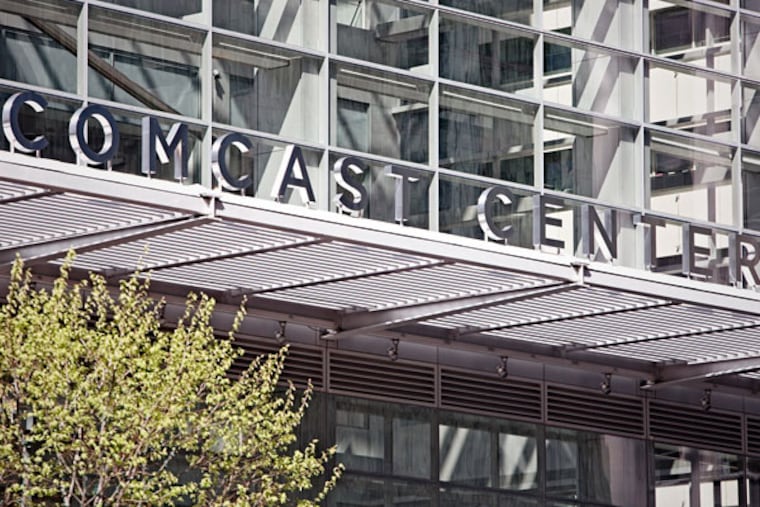
In Philadelphia, the decision to abandon Time Warner Cable could mean slower Comcast-related job growth in Center City but should have no impact on construction of Comcast's second downtown skyscraper.
The cable and media company announced the new building, which will be the tallest in Philadelphia, in early 2014, even before it disclosed the proposed acquisition of Time Warner Cable.
Comcast employees who will work in the new skyscraper are now based in leased office space in Center City.
Gerard Sweeney, president and chief executive of Brandywine Realty Trust, a major property developer in Philadelphia, speculated during an earnings call on Thursday over the collapsing Time Warner Cable deal.
"The impact on the Philadelphia market is unclear at this point, given the fact that Comcast before this transaction was growing at a fairly significant clip and that, certainly, the expectation was that this transaction occurred that would accelerate their recent expansion plans," Sweeney said. "But I don't think anybody really has any visibility into the long-term impact."
Time Warner Cable, whose crown jewels were cable franchise areas in New York and Los Angeles, said in a statement the decision to terminate the deal was mutual.
"We have always believed that Time Warner Cable is a one-of-a-kind asset," Robert D. Marcus, chief executive officer and chairman of Time Warner Cable, said in a statement.
"Throughout this process, we've been laser-focused on executing our operating plan and investing in our plant, products, and people to deliver great experiences to our customers. Through our strong operational execution and smart capital allocation, we are confident we will continue to create significant value for shareholders," Marcus said.
Time Warner Cable was forced into a deal after rejecting buyout offers from Charter Communications Inc. in 2013 and 2014. Some believe Charter Communications, which is partly controlled by cable pioneer John Malone, may bid again on Time Warner Cable.
Holder called the decision "the best outcome for American consumers."
"This is a victory not only for the Department of Justice, but also for providers of content and streaming services who work to bring innovative products to consumers across America and around the world," he said in a statement.
The Comcast/Time Warner Cable death knell appeared to be a decision this week by the FCC staff to send the proposed acquisition to an administrative law judge for a decision - a process that would be lengthy and costly and highly uncertain for Comcast and Time Warner Cable. Comcast learned of the FCC decision on Wednesday.
The FCC's Wheeler, a former cable industry lobbyist, said, "Today, an online video market is emerging that offers new business models and greater consumer choice. The proposed merger would have posed an unacceptable risk to competition and innovation, including to the ability of online video providers to reach and serve consumers."
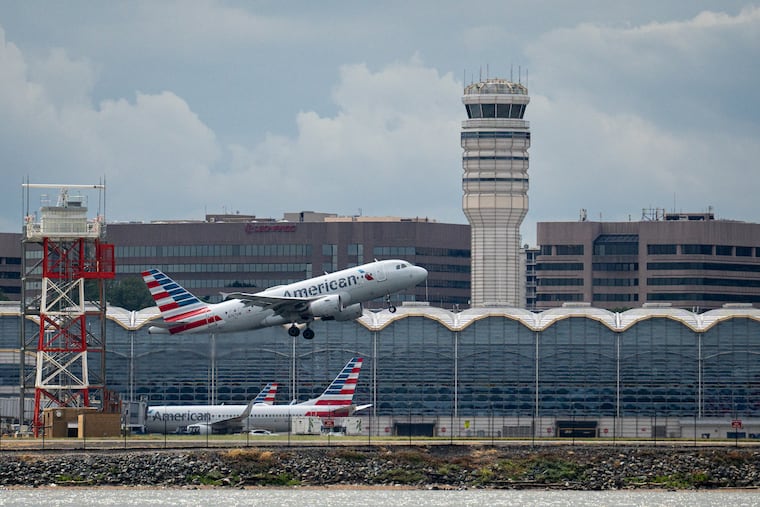
The Wall Street Journal reported Friday that Holder had already authorized Justice Department lawyers to file suit to block the deal if they thought it would harm competition. Such civil suits are a common part of the process for federal antitrust regulators but do not always kill a deal. For example, the Justice Department, joined by six state attorneys general, sued to stop the USAirways-American Airlines deal on the grounds that it would hurt competition and consumers. The airlines made enough changes to satisfy regulators, and the deal was eventually approved.
Big Deals That Went Bust
Comcast's $45 billion deal for Time Warner Cable is a high-profile example of a failed merger, but it doesn't crack the list of the 10 largest.
Here is Dealogic's list of the 10 largest failed deals globally, with the price, would-be acquirer, target, and year things fell apart.
1. $144.97 billion: BHP Billiton, Rio Tinto Plc, 2008
2. $117.35 billion: Pfizer Inc., AstraZenca Plc, 2014
3. $97.92 billion: MCI WorldCom, Sprint Corp., 2000
4. $90.96 billion: Barclays Plc, ABN Amro Holding NV, 2007
5. $82.34 billion: Deutsche Telekom AG, Telecom Italia SpA, 1999
6. $79.6 billion: Twenty-First Century Fox Inc., Time Warner Inc., 2014
7. $71.41 billion: American Home Products Corp., Warner-Lambert Co., 2000
8. $58 billion: Rio Tinto, BHP Billiton (Western Australian iron ore assets), 2010
9. $56.25 billion: BellSouth Corp., Sprint Corp., 1999
10. $54.7 billion: Comcast Corp., Walt Disney Co., 2004
SOURCE: Associated Press
EndText
215-854-5897
@bobfernandez1