Leon Salganicoff, medical researcher
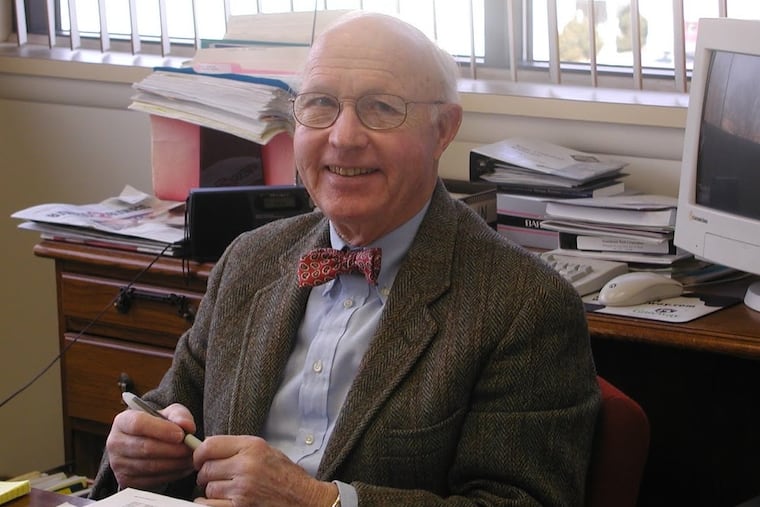
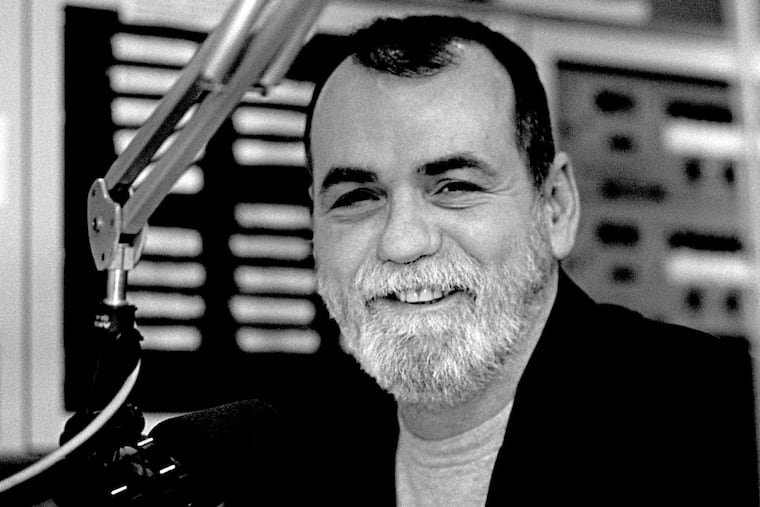
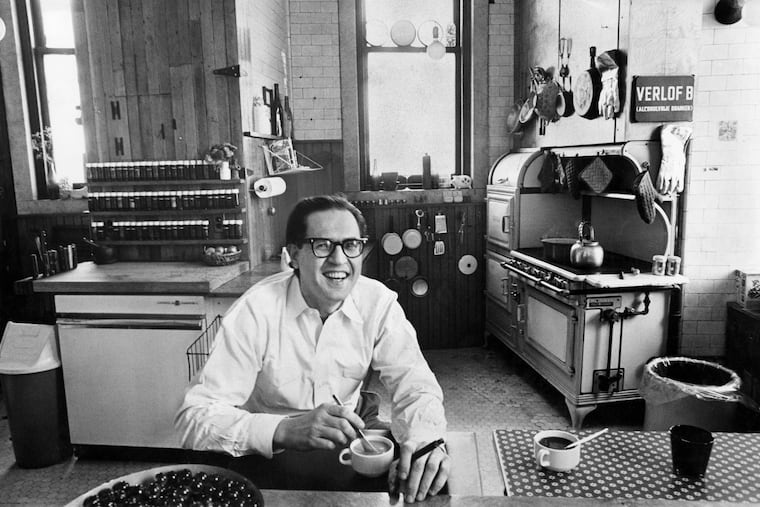
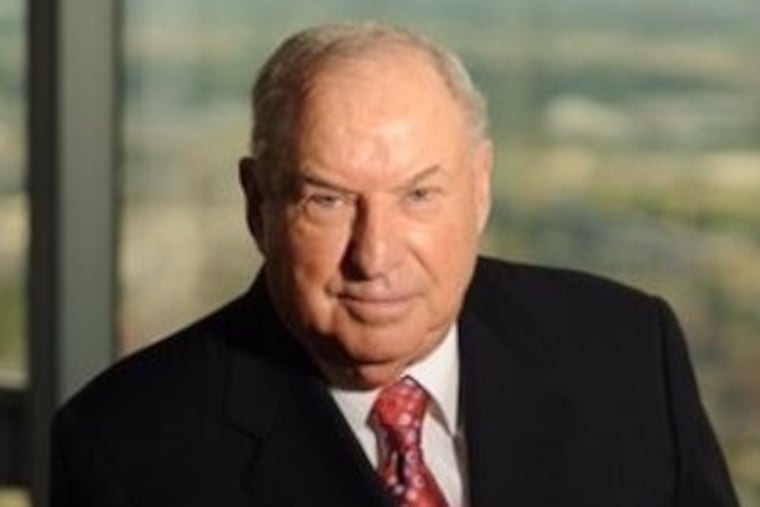
Leon Salganicoff, 86, of Center City, a professor emeritus of pharmacology at the Temple University School of Medicine who dealt with challenges on two continents to pursue important medical research, died of heart failure Sunday, April 17, at Montgomery Hospital Medical Center in Norristown.
Leon Salganicoff, 86, of Center City, a professor emeritus of pharmacology at the Temple University School of Medicine who dealt with challenges on two continents to pursue important medical research, died of heart failure Sunday, April 17, at Montgomery Hospital Medical Center in Norristown.
A native of Argentina, Dr. Salganicoff earned a degree in pharmacy and a doctorate in biochemistry from the University of Buenos Aires. He refused to take a political propaganda course and was denied his diploma until after dictator Juan Peron was overthrown in 1955.
Dr. Salganicoff became chief of the neurochemistry lab at the Institute of Cell Biology in Buenos Aires.
In 1964, he came to the United States as a visiting scientist for the Johnson Foundation at the University of Pennsylvania School of Medicine. He told The Inquirer that the innovative use of computers in his lab would save at least five years in his search for basic knowledge of the central nervous system.
Dr. Salganicoff canceled plans to return to Argentina when the military took over the government in 1966. Labs at the Institute of Cell Biology were destroyed, and students and professors at the university were beaten and arrested. Many had to leave the country.
In the late 1960s, Dr. Salganicoff joined the department of pharmacology at Temple. He taught pharmacology to medical students and conducted research, including studying the interactions of blood platelets as they contributed to the clotting process. He worked closely with colleagues in Italy, and in 2000 the Sapienza University of Rome awarded him an honorary degree.
Peter Doukas, dean of Temple's School of Pharmacy, said he and Dr. Salganicoff collaborated on occasion on research.
"As a result of some of the work we pursued together in his laboratory, I was able to contribute to the saving of my son's life during an extremely critical illness by suggesting the unusual use of a drug we had been studying at the time," Doukas said. "Leon's open-ended inquisitiveness played a central role in kindling my impulse to suggest an out-of-the-box solution to a critical problem."
Dr. Salganicoff often constructed his own lab equipment, Doukas said. "He was a master on the lathe as well as electronic assemblies and was never thwarted by the difficulty of problems," Doukas said.
"Leon cultivated the air of a grand, imposing, somewhat intimidating professor from an early age. But he couldn't hide the fact that he was a wonderfully warm, funny and erudite man," said Barrie Ashby, professor of pharmacology at Temple University School of Medicine. "He was a first rate scientist with an astonishing breadth of knowledge which extended well beyond his own area of research. He was not a physician, but I often said that if I became gravely ill, he would be the first person I would go to for advice."
After retiring from Temple in 1994, Dr. Salganicoff worked to establish a center at St. Christopher's Hospital for Children to study mitochondrial disorders. Mitochondria are structures in cells containing genetic material and enzymes important for cell metabolism and the creation of energy needed to sustain life and support growth.
He continued to do research there until last year, said his daughter, Alina.
The only child of Jewish Russian emigres to Argentina, Dr. Salganicoff showed an early interest in chemistry, creating spectacular pyrotechnic pranks. While pursuing his university studies, he combined his interests in music and science by constructing a hi-fi system he sold to musicians and music critics.
"Leon was a lover of art and music, and often spoke to me of the complexity of Thelonious Monk's piano arrangements as he himself tried to emulate them," Doukas said.
Dr. Salganicoff experienced culture shock after leaving Buenos Aires, then a city of seven million people where many dined at midnight after going to the concerts. In his opinion, Philadelphia in 1964 was a sleepy town that closed down at 5 p.m., his daughter said.
Despite early challenges, she said, he became a devoted follower of the cultural and musical life that blossomed in Philadelphia. He especially loved good food and was renowned for his Argentinean barbecues. His home and lab were always open to visitors and colleagues from all over the world. Every afternoon, his daughter said, he and colleagues enjoyed espressos made over a laboratory Bunsen burner.
In addition to his daughter, Dr. Salganicoff is survived by his wife, Lenora Wolfgang Salganicoff; a son, Marcos; and four grandchildren. His first wife of 44 years, Matilde, died in 2004.
A memorial service will be held at 11 a.m. Friday, April 22, at Bringhurst Funeral Home, 225 Belmont Ave., Bala Cynwyd.
Memorial donations may be made to the Philadelphia Education Fund, 1709 Benjamin Franklin Parkway, Suite 700, Philadelphia 19130.