How do we protect infants now that measles is endemic?
Viral season is already stressful for new parents. Add to that the worst measles outbreak in our country in recent decades, brought into focus by the loss of the United States’ measles elimination status.
Joanna J. Parga-Belinkie is an attending neonatologist at Children’s Hospital of Philadelphia and cofounder of CHOP’s Pediatric Health Chat. Charlotte Moser is a codirector of Children’s Hospital of Philadelphia Vaccine Education Center. Lori Handy is an associate director of Children’s Hospital of Philadelphia Vaccine Education Center.
“What do I do about the measles? I’m so scared to take her out, I just won’t leave the house.” A mother was rocking her newborn, pressed up protectively against her chest. She had just delivered her baby in the Philadelphia birth hospital, where I work, and was scared to imagine walking out her door into the active measles outbreak occurring in Lancaster, just 30 minutes from her suburban community.
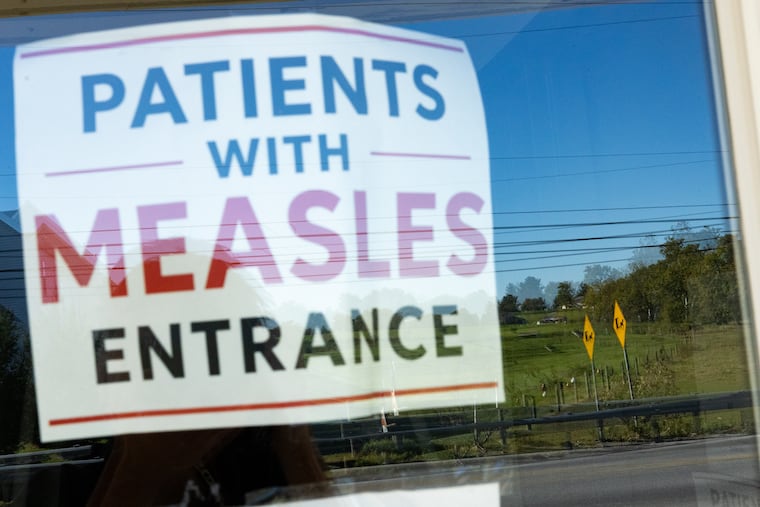
Viral season is already stressful for new parents. Add to that the worst measles outbreak in our country in recent decades, brought into sharper focus by the recent loss of the United States’ measles elimination status, and we have a pressure cooker for postpartum anxiety and depression. There have been more than 5,000 measles cases in the United States this year, and nearly 30% of them are in Pennsylvania, where we practice and live.
So what does it mean for our youngest family members and patients now that measles is considered endemic, meaning regularly found or continuously spreading within the country?
Infants born at term typically get temporary measles immunity from their mothers. During the third trimester of pregnancy, antibodies are transferred through the placenta to give infants protection against disease in the weeks and months after birth. But this protection varies from baby to baby and declines during the first few months of life.
Even when parents choose early measles vaccination, it cannot be given before 6 months of age, leaving a period when an infant may not be protected. That gap in protection is especially concerning because measles can cause serious and lasting complications.
Before the measles vaccine became available in 1963, about 500 people died each year from measles, and most of them were children. Measles is dangerous for children and adults alike. Children may require hospitalization for dehydration, lung and brain infections. The virus causes immune amnesia, damaging immune cells and leaving a person susceptible to infections against which they previously had immunity.
They can also experience acute demyelinating encephalomyelitis (ADEM), a severe autoimmune disease. Years later, people infected with measles during infancy can develop subacute sclerosing panencephalitis (SSPE), a rare, progressive brain disorder that is fatal.
What can we do for infants who lack protection and rely on us for their care?
First, almost all infections have occurred in unvaccinated individuals. If you aren’t vaccinated, now is the time. For women who may become pregnant, ensure you get the vaccine before pregnancy to help pass immunity to your baby early on. Once pregnant, you can’t get vaccinated.
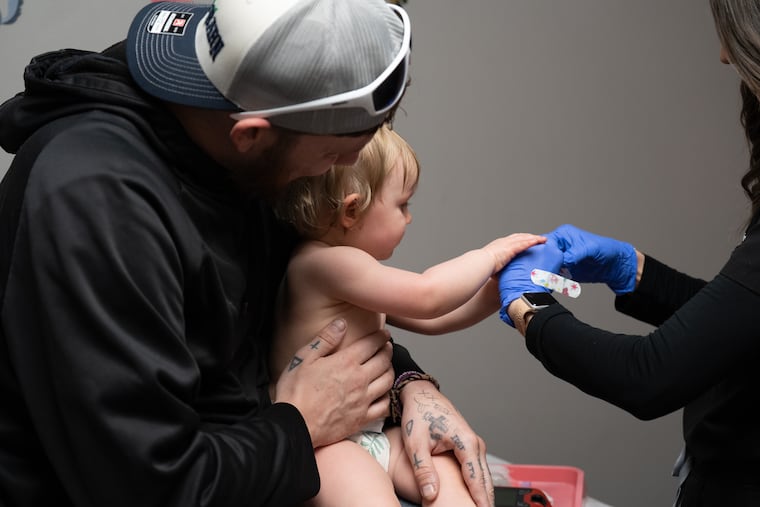
Talk with your child’s healthcare provider about getting your baby vaccinated at 6 months of age if there is an active outbreak in your community.
Engage with your friends and neighbors about the importance of community protection for all babies and young children.
This does not mean you cannot leave the house. Staying isolated can take a toll on mental health. But it does mean being thoughtful about who is around your baby and, when possible, making sure visitors are healthy and vaccinated.
Finally, working together, we can eliminate measles again. We have the tools to do it, and it includes getting the MMR vaccine, but it goes deeper than that.
We all need to listen to each other’s concerns, to have an open and honest conversation on health that is grounded in science and progress. So let’s talk about ways we can make our communities safer for some of the most vulnerable members of them — our babies.
For more information, visit CHOP’s Measles Resource Center at CHOP.edu/measles for trusted, evidence-based guidance.
About guest essays
Guest essays, or op-eds, are commentary pieces that present the opinion or perspective of the author. Many are submitted to us by Inquirer readers and writers with insight on the news, but we also solicit op-eds from authors on specific topics. For more information visit our guidelines.