Jenkintown police spending is on track for a 13-year low, just two years after nearly cutting the department
“The borough has struggled financially for many years,” police Chief Thomas Scott said. “We’re on the right track.”
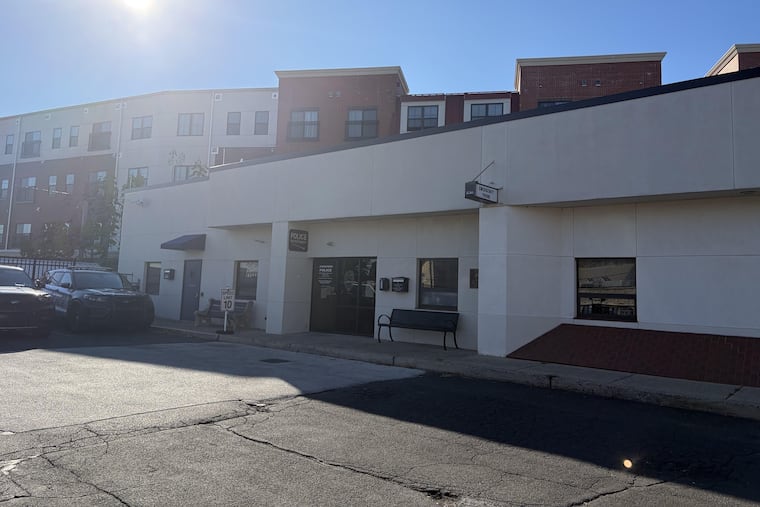
Just two years after the borough nearly closed its police department over rising costs and budgetary disarray, Jenkintown is set to hit a 13-year low on police spending for 2026.
As of mid-November, the 4,700-person borough’s projected spend on the police department is about $1.36 million for 2026, manager George Locke said — about $180,000 less than had been budgeted for the year. The figure is down more than 25% from 2023, and it’s the lowest since 2013, when the town spent $1.25 million on police.
“The borough has struggled financially for many years,” police Chief Thomas Scott said. “We’re on the right track.”
The savings are largely due to personnel cuts, after two reports suggested that Jenkintown’s police department was too big. In the past year, two officers left the department, and another was furloughed, Scott said.
In 2024, a state cost-benefit analysis led by two retired police chiefs found Jenkintown’s force may be too big for its needs, and that the borough was spending more on police per resident than the Greater Philadelphia average for similarly sized towns. That report followed a 2020 assessment by an independent police consultant recommending that Jenkintown consider reducing its force and improve its police budget practices.
Jenkintown aims to keep its force at eight officers, Locke said, and therefore expects a slimmer budget for years to come.
The department is currently at seven officers, with one opening, Scott said.
The borough is also working to implement the dozens of other recommendations the reports made, including sending officers to more frequent trainings beyond the minimum requirements.
“Close to 200 policies have been revamped,” said Scott, who credited his officers for their openness to change.
“We’ve made great progress,” said Mayor Gabe Lerman, who oversees the department. “There are always going to be things to improve upon in an environment where continuous improvement is crucial.”
Next steps include pursuing accreditation, Scott said, which the department stopped applying for under his tenure. That decision was partly due to a lapse in standards and training that had built up over years and needed to be corrected before seeking accreditation again, he said.
The state report had come amid controversy in the department. Jenkintown appointed Scott, the current chief, in 2022, and discussions about dismantling the police department and contracting services from a nearby municipality like Abington or Cheltenham reached a fever pitch less than two years into his tenure.
In September 2024, the police union claimed their members had voted no confidence in Scott over alleged misconduct.
The employment law firm that the borough hired to investigate the situation concluded that the misconduct claims were unfounded and stemmed from disagreement with Scott’s leadership decisions and opposition to the potential closure of the department. The firm also found that a formal vote of no confidence was not taken.
The current police union contract expires at the end of next year, but Jenkintown hopes to start negotiations at the beginning of 2027 and has already met with officers to prepare for bargaining.
A draft budget for 2027 would raise the police allocation by about $36,000 to $1,576,613.
Borough council is set to vote on the draft budget at the Nov. 23 meeting, which would then be made available for public viewing before it is finalized at a December meeting.
There are no longer plans to dismantle the department, Lerman said.
But it wasn’t easy to reach this point, Scott said: “You have to have hard conversations.”

Inquirer Greater Abington
This suburban content is produced with support from the Leslie Miller and Richard Worley Foundation and The Lenfest Institute for Journalism. Editorial content is created independently of the project donors. Gifts to support The Inquirer’s high-impact journalism can be made at inquirer.com/donate. A list of Lenfest Institute donors can be found at lenfestinstitute.org/supporters.