Editorial: The Lightning Round
Young black men in danger The evidence is in: It's become even more dangerous to be a young black man in the United States.
Young black men in danger
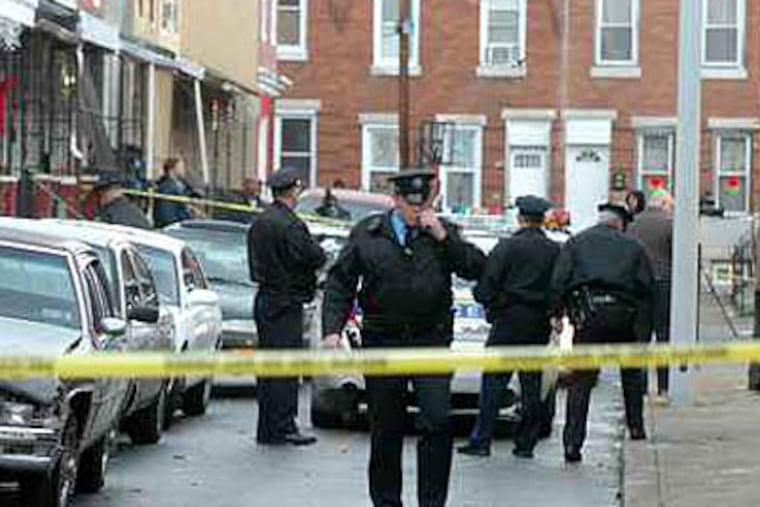
The evidence is in: It's become even more dangerous to be a young black man in the United States.
The number of young black men and teenagers who either killed or were killed in shootings has risen 40 percent since 2000, according to a new study. Criminologists at Northeastern University in Boston say the number of young white men involved in gun-related homicides also rose, but not as dramatically.
The most dramatic increases in shooting deaths were found among black teens. The study, released this week, found that 462 black males between ages 14 and 17 were killed in gun crimes. Among the same age group, 964 committed fatal shootings in 2007 - a 38 percent jump since 2000.
Those numbers might not shock residents of Camden, which has just recorded one of its deadliest years - with 53 homicides in 2008, compared to 42 in 2007. Many of the victims were young black and Hispanic men.
Northeastern criminologist James Alan Fox, who coauthored the study, called for "a bailout for kids at risk." He's right. The country must reinvest in children and families or the violence will continue to escalate and claim more lives.
A sick set of priorities
It's been several months since a Jersey Shore school superintendent's $740,000 golden parachute dismayed the public and rattled the state's politicians.
Gov. Corzine's administration reacted quickly by issuing regulations to cap such payouts for accumulated vacation and sick days.
But don't expect a little shame to deter New Jersey's legendarily grabby school administrators. They seem prepared to defend the indefensible benefits until the state constitution is amended.
The state school administrators' association sued in federal court to overturn the regulatory cap, which limits payouts for unused time to $15,000 - a still generous sum. A judge recently threw out the lawsuit, recognizing a legitimate state interest in easing the property-tax burden. Incredibly, the administrators responded by vowing to continue their fight for unlimited perks in state court. Here's hoping they will get a similar reception there.
In the meantime, the Legislature has taken appropriate and, regrettably, necessary steps toward a legal limit on payouts. While the legislators are at it, they should consider doing away with such perks for the state's entire public workforce. The whole idea of paying for "unused" sick and vacation time accrued across the decades is itself sickening.
Helpers in dire need of help
What irony. A Philadelphia nonprofit that has helped stranded travelers for more than a century has crashed and needs assistance.
The Travelers Aid Society is among the many victims of the city's budget crisis. The city has eliminated $300,000 in funding for the society - nearly all of its budget for emergency assistance.
That means the society will no longer be able to come to the rescue of needy travelers. It will also close a downtown office and lay off four employees.
The Travelers Aid Society of Philadelphia was founded in 1901 as part of a national movement started in St. Louis to help immigrants heading west in the Gold Rush. Over the years, its mission evolved from helping the jobless find work during the Depression to serving veterans coming home from World War II.
More recently, the society has focused on helping the homeless. In 2008, the society helped about 1,200 people, offering temporary shelter, food and, if necessary, a ticket home.
Despite the cutbacks, Travelers Aid will still run a city-supported shelter for homeless families, as well as other transitional and permanent housing. Volunteers also plan to continue staffing a kiosk at 30th Street Station to assist travelers.
War claims a saver of lives
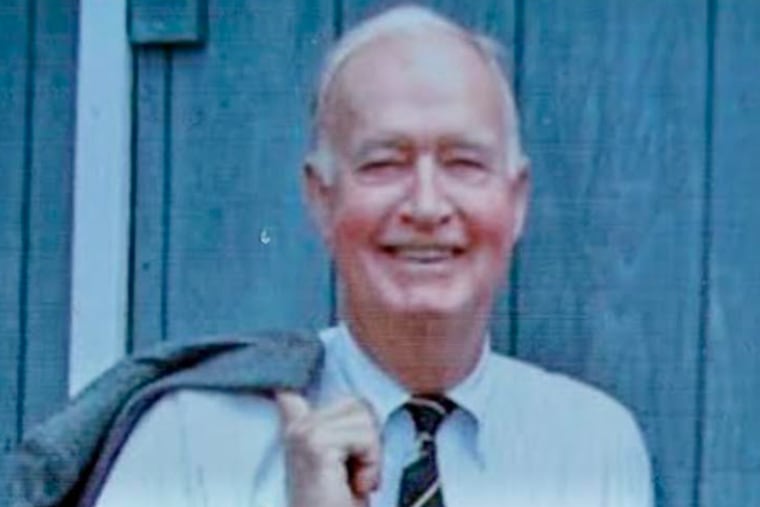
The death of Dr. John Pryor, a combat surgeon who fought valiantly to save lives in Iraq, is a painful reminder of the war's human toll.
A decorated major in the Army Reserve, Pryor, 42, of Moorestown, was leader of the University of Pennsylvania's trauma team. He was killed on Christmas Day during his second tour of duty in Iraq.
A brilliant surgeon known for being cool under pressure, Pryor had a passion for helping others and took it hard when he was unable to save a life on the operating table, friends say. He rushed to New York City to volunteer at ground zero after the Sept. 11, 2001, attacks.
In a letter he left before deploying on Dec. 6, Dr. Pryor asked for forgiveness for leaving his family - his wife and three young children - and colleagues.
Remember him by the words of a poem he hung in his office at Penn: "Seek always to do some good, somewhere. Even if it's a little thing, do something for those who need help, something for which you get no pay but the privilege of doing it. For remember, you don't live in a world all your own. Your brothers are here, too."