Trump ad airing with government funding despite law against ‘propaganda’
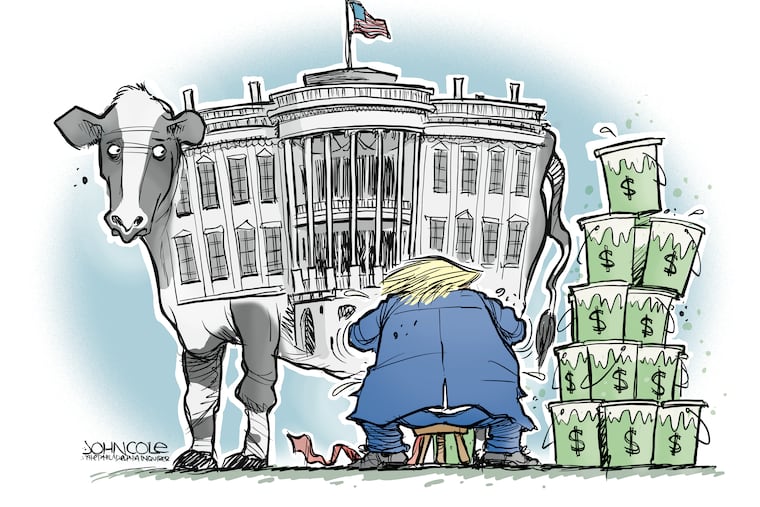
Since the 1950s, annual appropriations legislation — including the funding bill Trump signed in February — has routinely included a ban on using federal funds for “publicity or propaganda purposes.”
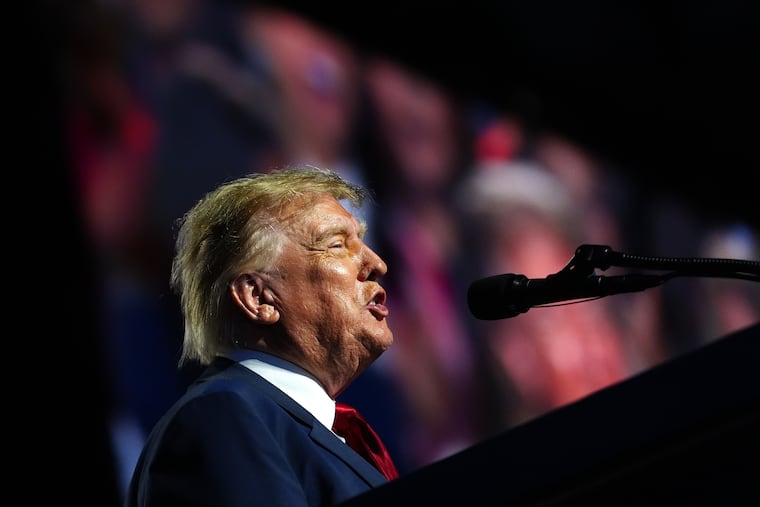
A television ad promoting President Donald Trump began airing on cable Wednesday saying it was paid for by the U.S. government, despite a federal prohibition on using taxpayer dollars for “publicity or propaganda.”
The ad is similar to spots released earlier by the nonprofit arm of Trump’s political operation to promote his record in the midterms campaign. But this one includes a tag reading, “Paid for by the U.S. Government.”
Since the 1950s, annual appropriations legislation — including the funding bill Trump signed in February — has routinely included a ban on using federal funds for “publicity or propaganda purposes.” The Government Accountability Office has said the prohibition applies to communications that are “purely partisan” and “designed to aid a political party or candidates.”
The ad consists of a supercut of Trump photos and videos interspersed with text of campaign slogans. The soundtrack features snippets of Trump speeches and a chorus of women singing, “I’ll make them love me.” It ends with Ultimate Fighting Championship CEO Dana White praising Trump over footage of the June match on the White House lawn and military flyovers.
It has aired so far on Newsmax in Chicago and Fox News in Los Angeles, according to ad-tracking firm AdImpact. More details about who bought the airtime were not available.
The White House and representatives of Trump’s political team did not immediately respond to questions about the ad.
Rep. Jamie Raskin (D, Md.), the top Democrat on the House Judiciary Committee, said on social media that the ad could amount to “felony criminal theft and conversion of government property for political campaign purposes.” He also cited the Hatch Act, which prohibits government employees from using their positions or official resources for political activities.
There is no immediate precedent for a government-sponsored political ad during a campaign.
In 2004, the administration of President George W. Bush was criticized for releasing ready-to-air video segments showing Bush signing a Medicare prescription drug law, complete with hired contractors posing as reporters. The GAO said the materials violated the propaganda prohibition.
In the first Trump administration, the Department of Health and Human Services commissioned a $250 million coronavirus ad campaign that congressional Democratic investigators found included partisan interests. The agency backed off using pro-Trump celebrities in the ads.
Last year, the Department of Homeland Security under then-Secretary Kristi L. Noem spent more than $200 million on ads promoting her and Trump’s immigration policies. In March, Noem testified that Trump approved the campaign, prompting him to fire her.