Chris Rabb was one of 11 Democrats to vote ‘no’ on Hakeem Jeffries for House speaker
The democratic socialist from Philadelphia was among only 11 Democrats to vote "no" on elevating Jeffries, who will become the first Black speaker in U.S. history.
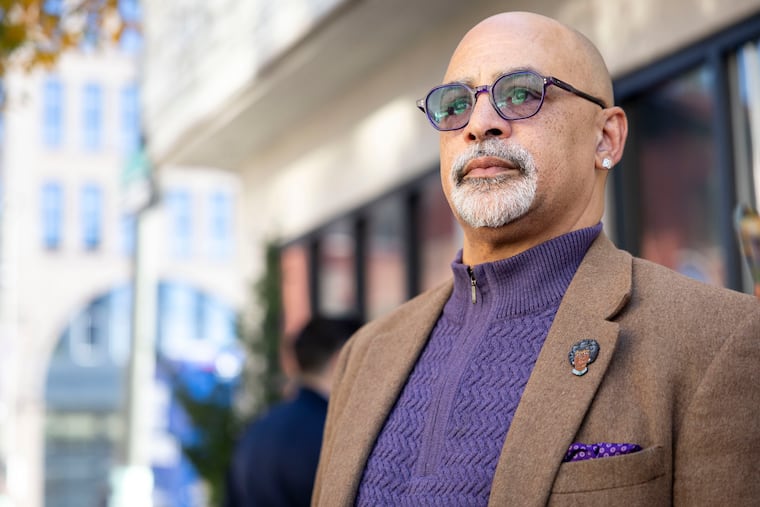
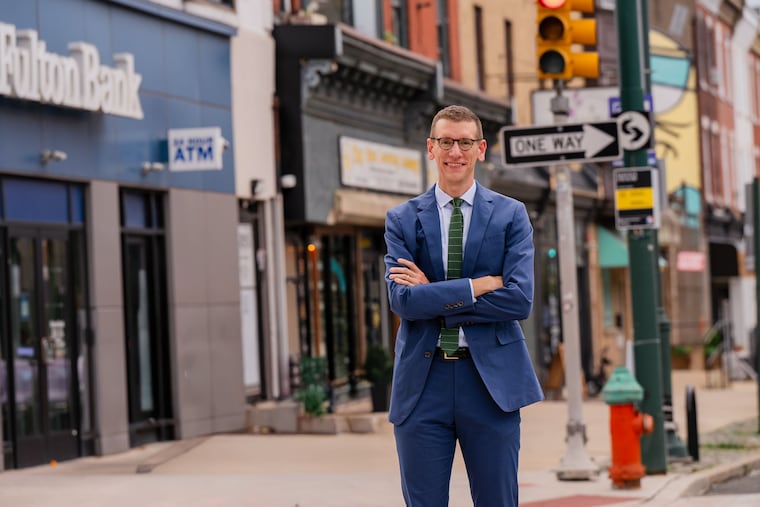
WASHINGTON — U.S. Rep.-elect Chris Rabb voted against elevating Democratic leader Hakeem Jeffries to be speaker of the House on Wednesday, joining a small group of progressives who said they were still seeking commitments on their priorities.
Democrats voted overwhelmingly to nominate Jeffries, all but ensuring the New Yorker will become the first Black speaker when the new Congress convenes on Jan. 3. The closed-door vote was 251-11 as new members were in the Capitol for orientation.
Rabb, a democratic socialist from Northwest Philadelphia elected to succeed retiring U.S. Rep. Dwight Evans, had not committed to supporting Jeffries and did not publicly support an alternative candidate.
He and other progressives have pushed leaders to go further on issues like healthcare and the war in Gaza. The leadership vote was an early indication of how that bloc could challenge more establishment leaders in Washington in the next two years, though Democrats’ large House majority could diminish the leftist bloc’s leverage.
Rabb was part of a group of seven Democrats who issued a statement after voting “no” on Jeffries. While they have “seen meaningful progress, there is work to be done to ensure that the direction our party takes this coming Congress reflects what our constituents are demanding of leadership,” they said.
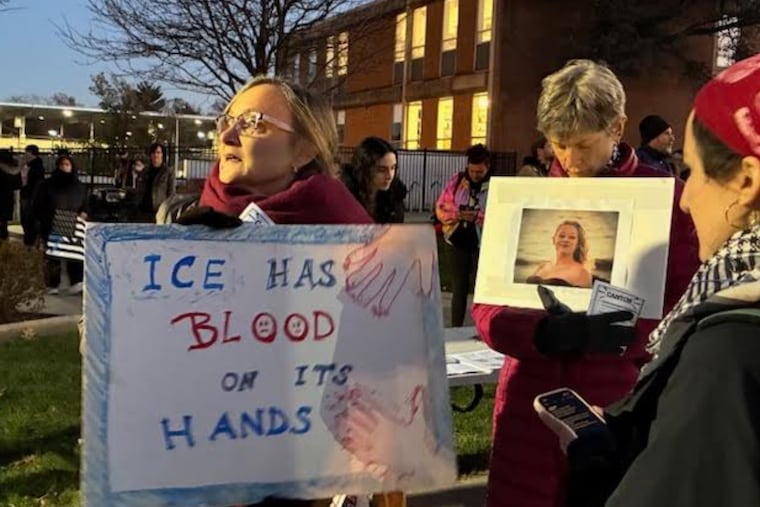
“Whether on Medicare for All, stopping ICE terror, getting money out of politics, or ending the genocide in Gaza, our constituents sent us to Congress with a mandate on these issues,” the group said. “We have worked to secure commitments from Leader Jeffries in good-faith conversations.”
Rabb voted against Jeffries after meeting with him this week for both a one-on-one conversation and for a larger group meeting, according to a source familiar with the meetings who was not authorized to talk about them publicly.
Rabb said in an interview with CBS News’ Major Garrett last week that he had not met with Jeffries or decided on how he would vote.
“I don’t make up my mind until I talk to the candidate, and we have not had a one-on-one,” Rabb said at the time. “And also, it’s bigger than any one person. … Whoever holds the gavel, whoever that person is, how are they leading in ways that are aligned with this mandate for real change? And those are questions I don’t have answers to, and I’m looking forward to hearing what he has to say.”
Rabb had declined to support Jeffries throughout his antiestablishment campaign that captured a rarely open seat in one of the bluest districts in the country. His primary victory over State Sen. Sharif Street and Ala Stanford was a blow to the city’s Democratic establishment.
It also became part of a wave of progressive wins across the country — including in many races where Rabb endorsed and worked to elect like-minded candidates. Democratic socialists have celebrated the success while acknowledging they still represent a relatively small slice of the Democrats in Congress.
In a sign of the changing tide for one of Philadelphia’s two congressional seats, Evans, the outgoing lawmaker, quickly credited “future Speaker Hakeem Jeffries” for the widespread Democratic wins after Election Day, while Rabb declined to commit to Jeffries. Street and Stanford had also endorsed Jeffries’ bid for speaker during the primary as Rabb said he would be “nobody’s rubber stamp.”
The group of incoming Democrats who joined in the statement Wednesday featured those with whom Rabb aligned himself during their campaigns — Darializa Avila Chevalier and Claire Valdez of New York; Adam Hamawy of New Jersey; Frederick Haynes of Texas; Melat Kiros of Colorado; and Donavan McKinney of Michigan.
This article contains information from the Associated Press.