After a messy budget fight, Philly City Council turns to its unfinished business: Trash, taxes, and a new arena
When lawmakers last met in June, they approved a $7.1 billion city budget that left all sides feeling dejected.
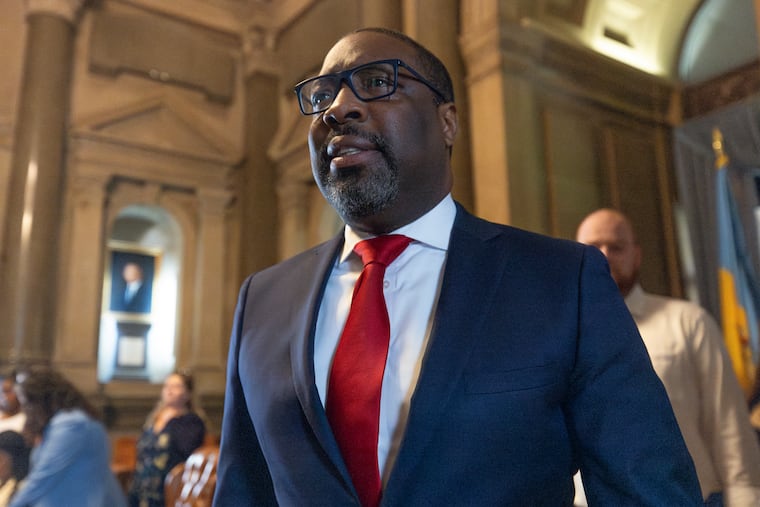
Last Wednesday evening, City Council President Kenyatta Johnson stood on South Broad Street and greeted his fellow lawmakers as they arrived at Steak 48.
Johnson had invited them to the swanky Center City steakhouse to “reconnect, share conversation, and enjoy each other’s company outside of City Hall,” according to an invitation for the ”members only" event obtained by The Inquirer.
Council resumes for its fall session Thursday — and after the way things ended in the spring, the city’s legislators may have needed the opportunity to break bread together.
When lawmakers last met in June, they approved a $7.1 billion city budget that left all sides feeling dejected. Council turned away a series of tax proposals from Mayor Cherelle L. Parker, including a $1-per-ride levy on rideshare companies like Uber and Lyft, and ended up passing a budget that omitted a number of their own priorities and left unanswered how the city will help the Philadelphia School District navigate its funding crisis in the long run.
» READ MORE: The downfall of Mayor Parker’s tax on Uber was her biggest legislative defeat to date. Here’s what went wrong.
In addition to representing a new low in Parker’s relationship with the legislative body of which she was once a member, some Council members also questioned their own negotiating team’s handling of the ordeal.
Councilmember Mike Driscoll noted last week that while he was not “pointing fingers,” Council could have added more money in the budget for line items requested by lawmakers, such as funding for community groups.
“I’m disappointed and pissed off at the way it played out,” Driscoll, who represents parts of Northeast Philadelphia, said in an interview. “Our priorities weren’t analyzed in a more thoughtful [way]. … We do the amendments. [Parker] doesn’t. We could have put money in.”
In addition to dealing with the aftermath of the budget, Council this fall is expected to revisit a tense debate over how the city disposes of its trash and a proposal by Driscoll to provide business tax relief to sole proprietors. It may also begin to consider legislation related to the proposed 76ers and Flyers arena at the South Philadelphia sports complex.
An Inquirer reporter saw at least 11 of Council’s 17 members at the Steak 48 event, meaning a majority, or quorum, of Council was present. The Pennsylvania Open Meetings Act, or Sunshine Act, requires legislative bodies to notify the public if a quorum is present for a meeting at which official business is discussed.
But Johnson said at the beginning of the dinner that would not be happening.
“Tonight we do no official business,” Johnson said in an interview. “Just social. Welcome back to City Council. Eat and drink and be merry. No policy on the table. No legislation on the table. Just having a good time.”
Johnson’s invite directed members to RSVP to a Council staffer’s city email address. Johnson said his campaign picked up the tab.
Parker and all 17 Council members will be on the ballot in next year’s municipal elections.
“Everyone facing reelection next spring knows they have to be able to point to real accomplishments on the important issues voters care about,” City Hall lobbyist John C. Hawkins said. “And this fall is their last opportunity for them to address the most pressing issues that were not fully resolved in the spring budget process.”
Budget fight hangover
When Council and the mayor in the spring failed to reach a deal over new tax revenue to plug a $48 million hole in the school district’s budget, Johnson said Council had helped identify one-time savings in the city budget to fill the gap for a year while vowing to explore new recurring revenue streams for the district.
Johnson has not yet scheduled a hearing on schools funding, and Council’s dissatisfaction with the district appears to have been mounting.
He said in a statement this week that Council will honor its commitment, but also alluded to finding that money in the district’s own budget, despite school officials saying they are navigating a $300 million structural deficit.
Johnson said that Council is awaiting the results of a performance audit of the school district that is being conducted by City Controller Christy Brady. He said that report “will help Council identify any available funds to support recurring funding.”
New arena, who dis?
In the fall of 2024, Council was consumed by the debate over the 76ers’ proposal to build an arena in Center City.
Lawmakers spent much of the session debating the economic benefit of the project while opponents cried out that it would displace businesses and residents in nearby Chinatown.
Despite Council approving it, that project was scuttled by the Sixers, who instead teamed up with Comcast, which owns the Flyers, to plot a different project: a joint venture that would bring a new arena to the South Philly stadium district. Earlier this month, they released the first renderings of what the Spectrum-inspired arena could look like.
There will likely be spirited discussions about it all in Council — at some point. But don’t expect a redux this fall of the all-out brawl that was 2024.
The stadium district falls in Johnson’s 2nd District, meaning it will be on him to introduce legislation that would green-light the project. And he has not been in a hurry to accommodate the Sixers’ timeline, which would be to approve the project as soon as possible so the venue can open by 2030.
Johnson said in a statement that “no zoning legislation is scheduled for introduction,” and he said he’s working to find consensus with the Parker administration and other Council members before introducing any legislation.
“I am focused on ensuring that any future legislation concerning the new arena addresses the interests and concerns of the community around the Stadium District and in Philadelphia,” he said.
When that legislation is brought forth, it isn’t likely to be anywhere near as controversial as the 76ers’ Center City proposal, which drew opposition due to its proximity to Chinatown, so long as the teams uphold their promise to not seek public subsidies.
The Asian Pacific Islander Political Alliance, which led opposition to the Center City arena, released a statement earlier this month that signaled openness to the South Philly project.
“The people of South Philly should have a meaningful voice in whether and how this project moves forward,” said Will Gross, an API PA member who is rumored to be considering a run for Council. “And if it does, it should mean good union jobs, a strong community benefits agreement, and real benefits for the people who live and work in the neighborhood.”
Trash issue continues to burn
Councilmember Jamie Gauthier has spent the better part of the last year trying to whip up support for a bill that would ban the city from shipping off its trash to be burned at an incinerator in Chester, a longtime practice she and others say is poisoning residents of the city to Philadelphia’s south.
The Parker administration opposed the measure, saying it would limit the government’s ability to carry out its normal competitive bidding process and select the best value contractor. Gauthier failed to get a majority of Council on her side, and she never called up the Stop Trashing Our Air Act for a vote.
This fall, she’ll try a new tactic.
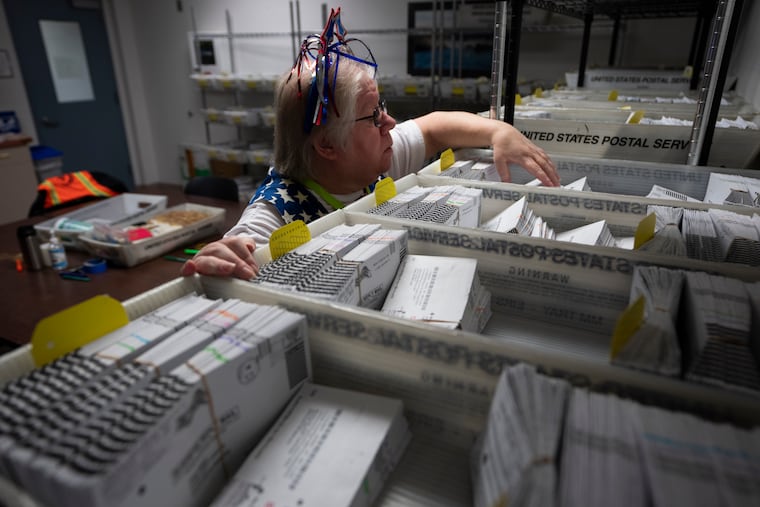
Gauthier and her allies are attempting to kill the Parker administration’s effort to approve a new contract with Reworld, which operates the Chester waste-to-energy facility where the city sends about a third of its garbage. (The remainder is hauled off to landfills.)
» READ MORE: Philly sends a third of its trash to a Chester incinerator. Council members took a ‘Toxic Tour’ to get a closer look.
In July, the Parker administration announced that it intends to enter into a new four-year contract for waste processing and disposal with Reworld, as well as two landfill operators, Republic Services and Waste Management. The terms of those contracts have not yet been made public.
Council must approve multi-year contracts, and Gauthier, who represents parts of West and Southwest Philadelphia, said she is planning a full-court press to get her colleagues to “block Mayor Parker’s dirty deal with trash incinerators.”
The question is whether she can get eight other members on her side to reach a majority of Council. She’s likely to find support from three fellow progressives, and she’s expected to be joined at a Thursday news conference calling on the city to end its contract by Councilmember Isaiah Thomas, the Democratic majority whip.
Meanwhile, Councilmember Mark Squilla said he has been working with the administration on a plan to build out a “circular waste” system that would replace incineration and landfilling overtime with composting and waste “digestion.”
“The incinerator bill ... doesn’t solve a problem we have: to reduce our waste,” Squilla, whose district includes parts of Center City, South Philadelphia and the River Wards, said in an interview. “If we can reduce our waste by going to composting and digestion and other forms, we then eliminate all of our trash. Therefore end up with the result of what the goal should be, [which] is to get as close as possible to zero waste.”
Squilla’s proposal, which would involve “a long-term contract to attract providers to be able to build out a possible digester to decrease the amount of food waste,” could make it easier for Council members sympathetic to Gauthier’s goals but skeptical of her incinerator bill to approve the administration’s contract with Reworld while committing to a long-term solution.
The business tax, revisited
Separate from the school district revenue, some Council members are hoping to advance measures that would provide tax relief to businesses.
Council two years ago approved a 13-year schedule of rate cuts that would dramatically reduce the business income and receipts tax. But at the same time, Parker moved to eliminate a tax break that primarily helped small businesses after its legality under the Pennsylvania Constitution was challenged in court.
The elimination of the tax break — which excluded from taxation companies’ first $100,000 in revenue — has forced thousands of small firms and sole proprietors that make less than that threshold to begin paying a tax from which they had been effectively exempted.
Driscoll worked with tax experts to find a workaround that could pass legal muster — exempting certain types of businesses, such as sole proprietors, from the tax entirely — and he is planning to call up for a vote his bill this fall.
Thomas, meanwhile, said he will introduce a resolution Thursday to hold hearings this fall on the feasibility of reducing the net income portion of the business tax “much sooner” and more “aggressively,” meaning an acceleration of the tax cuts already scheduled.
The measures are likely to spark opposition from more progressive members of Council, and could be tricky to navigate for Parker, who wants to make Philly more business-friendly but may not want to forego additional revenue.
Members eye priorities as election looms
With next year’s election looming — and all 17 members indicating they intend to seek new four-year terms — the fall session is also likely to see movement on a myriad of issues championed by individual legislators.
Majority Leader Katherine Gilmore Richardson said she will propose bills to “protect communities from harmful nuisance businesses and improve processes around code violations,” continuing her efforts to crack down on businesses that neighbors say attract crime.
Councilmember Rue Landau, who represents the city at-large, said she is “tackling the impact of emerging technologies, making Philadelphia more affordable for working people, and ensuring equity remains at the center of how we serve our LGBTQ+ communities.”
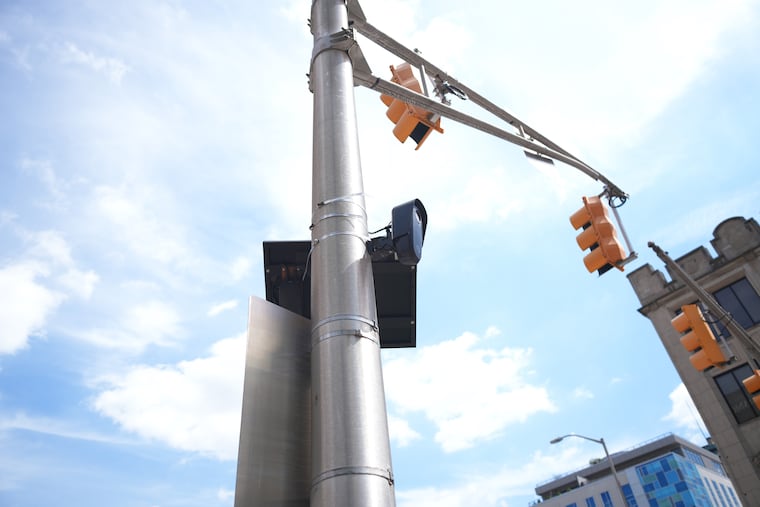
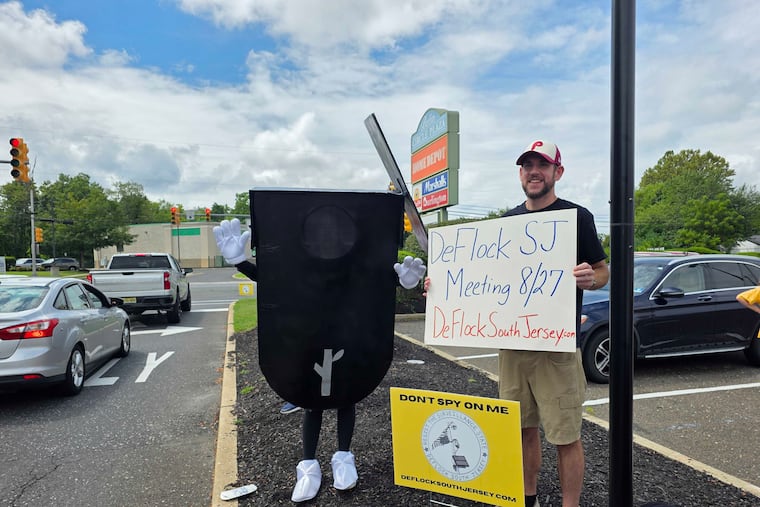
Landau said she also plans to introduce a resolution calling on the state to ban automated license plate readers like Flock cameras.
» READ MORE: Three Philly City Council districts emerge as key battlegrounds in the 2027 election
And Councilmember Kendra Brooks will propose new protections for temporary workers and tenants facing eviction, according to her spokesperson, Kathleen Melville.
Brooks, a progressive who represents the city at-large, will also fight for additional funding for reproductive healthcare providers, a priority of hers that was left out of the budget following Council’s impasse with Parker, Melville said.
“That was her biggest focus going into the budget,” Melville said. “She had the same experience as every other Council member in that none of her budget priorities made it into the budget.”
Several members have also said that they want to bolster the city’s property tax relief offerings after the administration this summer released its citywide assessments that will mean higher taxes for thousands of homeowners.
» READ MORE: Thousands of Philly homeowners are facing property tax increases of 50% or more after this year’s reassessment
The most likely move would be for Council to amend the city’s tax code to increase the popular homestead exemption, which currently exempts the first $100,000 from a home’s taxable value if the owner lives in the dwelling as their primary residence.
Johnson said Council “will review all tax-relief options” this fall.