Republicans ramp up investigation into Democratic plan to pack Alaska’s ballot
Democrats and Dan J. Sullivan have denied working together, but the Times offered fresh evidence to the contrary, prompting a sharp reaction from President Donald Trump and other Republicans.
As Republican anger grew on Thursday over a Democratic effort to stack Alaska’s Senate ballot with candidates to siphon votes from the GOP incumbent, the Justice Department issued dozens of subpoenas to people believed to be connected to the plan, according to two officials familiar with the investigation.
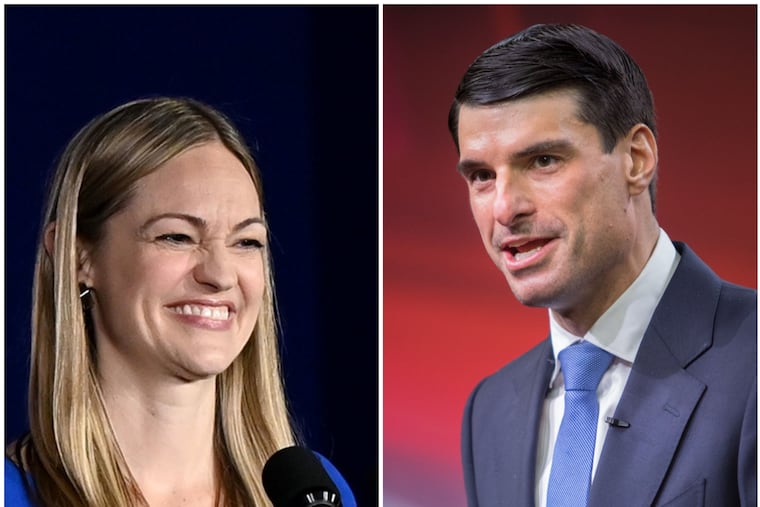
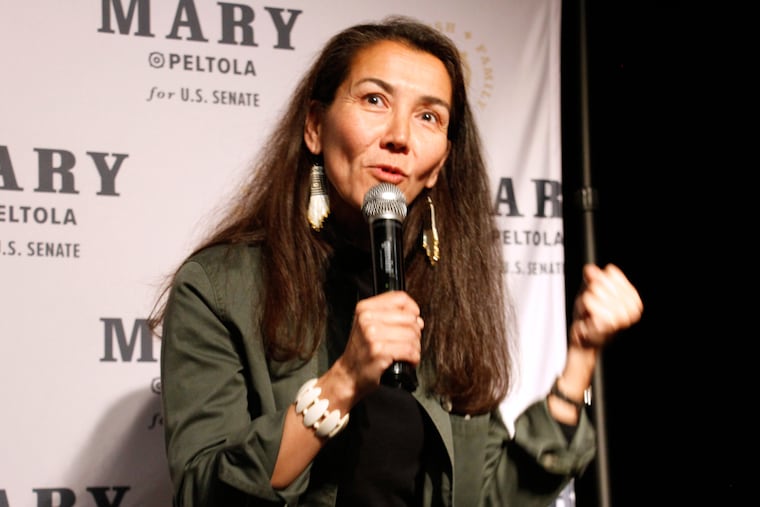
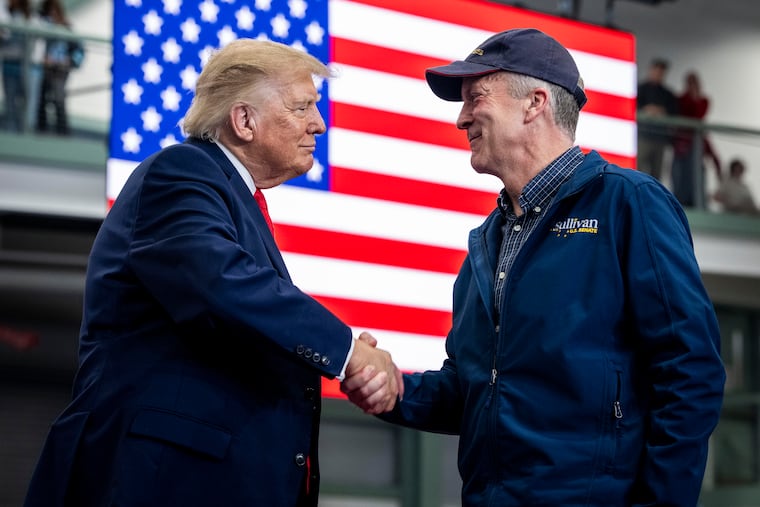
The actions come after a New York Times article on Wednesday revealed a secret plan involving national Democratic operatives and top aides with the Senate campaign of Mary Peltola, a Democrat, to recruit candidates to split votes from Sen. Dan S. Sullivan, her Republican opponent. In particular, the group was involved with recruiting Dan J. Sullivan, a retiree from a small Alaskan fishing village whose candidacy against the senator bearing a similar name has infuriated Republicans for months.
The subpoenas, most if not all of which were issued to Democrats, were part of an effort to quickly establish the facts in the case, taking advantage of federal authorities and investigative tools not readily available to local law enforcement authorities, a senior Justice Department official said.
Separately, the chair of a House oversight committee on Thursday sought interviews with two people involved with the plan.
“Knowing they can’t win on the issues, Democrats schemed to rig the U.S. Senate election in Alaska by deliberately confusing voters,” the committee chair, Rep. James Comer, R-Ky., said in a statement. “Americans deserve answers about this latest attempt by Democrats to defraud the American people, and we will get them.”
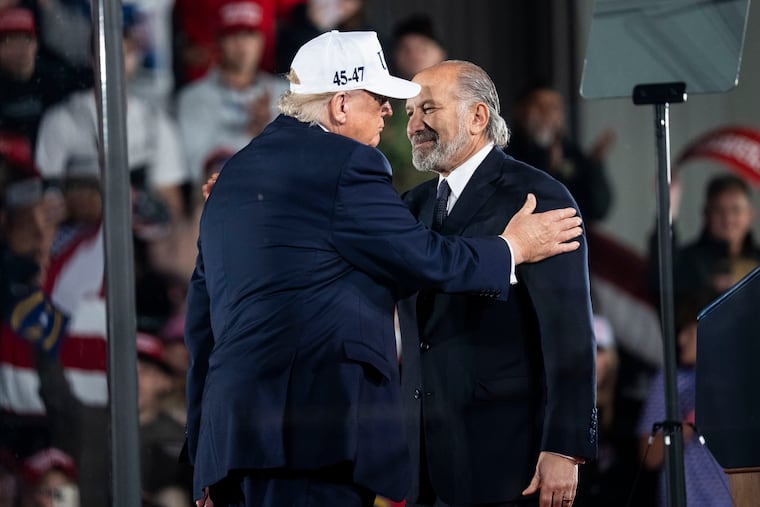
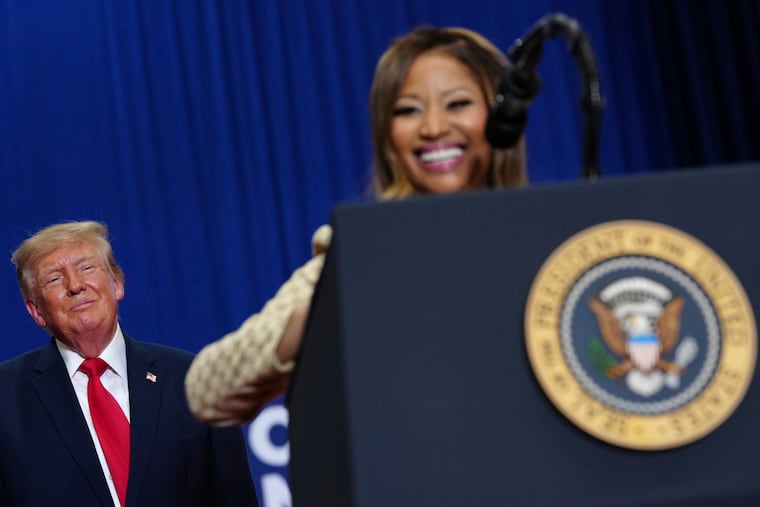
Democrats and Dan J. Sullivan have denied working together, but the Times offered fresh evidence to the contrary, prompting a sharp reaction from President Donald Trump and other Republicans. The Justice Department has already sued Alaska at Trump’s behest, seeking to stop the certification of the Senate race if votes for the other Sullivan cause the senator to lose.
The Times did not uncover evidence of illegal activity, and the lawsuit from the Justice Department did not allege any. Ballot-stacking is an age-old practice that has been used by both parties for decades.
In an updated filing on Thursday, however, lawyers for the federal government accused Democrats of having lied to the court. They also argued that certifying an election influenced by a plot to mislead voters would violate the U.S. Constitution, though they did not make clear how.
Legal experts said the Justice Department’s suit, which a federal judge has indicated she wants to resolve swiftly, did not stand a good chance of succeeding.
“It’s performance art this close to the election,” said Republican election lawyer Benjamin Ginsberg.
He also said he does not believe the federal government can prove it has standing in the case and said “I don’t see a federal crime,” in the attempt to recruit alternate candidates.
In June, the Alaska Supreme Court ruled that both Sullivans could remain in the race. The Alaska Division of Elections took steps to differentiate the two candidates on the ballot, labeling the senator a Republican and an incumbent, while including no labels for the other Sullivan.
Ballot-stacking strategies are common in politics and generally considered legal, if misleading. Republicans engaged in the tactic in Alaska this year, too, trying to prop up Democratic candidates in the Senate primary to siphon votes from Peltola. They also supported a legal effort in 2024 to keep a Democratic candidate on the same ballot as Peltola when she was running for reelection to the House. She went on to lose the race.
Separately, Gov. Mike Dunleavy of Alaska, a Republican, ordered the state Public Safety Department to investigate whether any people associated with Peltola’s campaign should face criminal charges or civil penalties for their involvement in the deception. Asked on Fox News whether this was disqualifying for Peltola, Dunleavy said it was “hugely problematic” for her.
“If it leads to criminal charges, we don’t care who that is, we don’t care if it’s a candidate,” he said. “What’s more important is maintaining election integrity for the people of Alaska, and so if it leads to that individual, the candidate, then so be it.”
State election leaders tried to boot Dan J. Sullivan from the ballot this summer, but the Alaska Supreme Court overruled them. Dunleavy told Fox News that he believed state justices would have made a different decision if the Democratic role in Sullivan’s campaign had been known at the time.
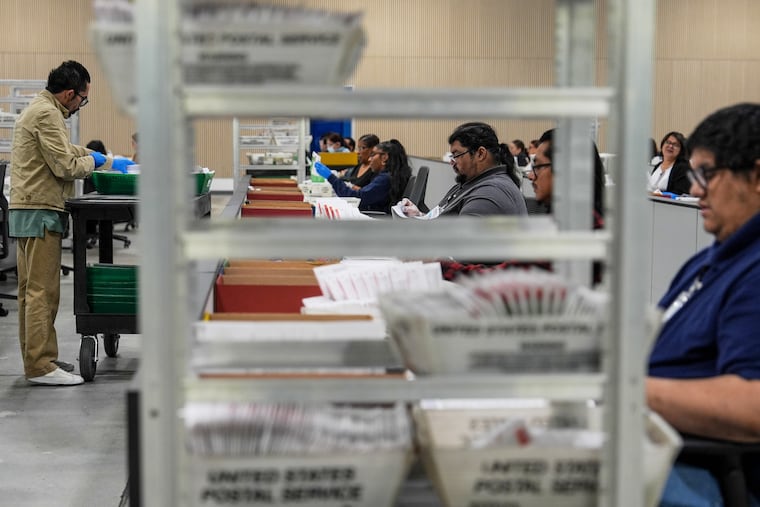
The governor also noted than more than 60,000 people have already voted in Alaska without the benefit of knowing what the Democrats had plotted. He described the situation as “a dog’s breakfast.” In an interview with News Nation, Dunleavy said that if crimes were committed, “that may in fact impact whether somebody is seated in the U.S. Senate.”
Dunleavy and Lt. Gov. Nancy Dahlstrom, who oversees state elections, leave office Dec. 7. Their successors will be decided next week.
In a statement, Austin McDaniel, the deputy commissioner of the state’s Public Safety Department, confirmed that the department “has initiated an investigation into the alleged conduct outlined in a recent New York Times article.” He did not have any further comment.
Peltola brushed off the article at a rally on Wednesday, saying it was “just another distraction.”
Comer, the House oversight committee chair, issued interview requests to two people described in the article as being involved in the Democratic scheme. Those people were Elisa Rios, Peltola’s former campaign manager, who was fired in August and later spoke to the Times about the ballot recruitment plan, and Jerid Kurtz, a Democratic operative who worked in secret in Alaska to recruit candidates, according to the Times’ reporting.
Joelle Hall, an ally of Peltola and the former president of the Alaska branch of the AFL-CIO, a prominent labor union federation, said she did not believe the reporting that the Peltola campaign was involved in recruiting other candidates. But even if it was, she said, “there’s nothing illegal about it.”
“I wish everyone would focus on what this really is: a pretext for Trump to come to Alaska and try to steal our election,” she said. “This is going to lead to lawsuits and more lawsuits and everything they can possibly think of to try to stop Mary Peltola from being seated in the U.S. Senate.”
This article originally appeared in The New York Times.