Gov. Shapiro wants to raise minimum wage again, but this time with a Democratic majority. Here’s what to know.
In his first term, Shapiro repeatedly urged lawmakers to pass a $15 minimum wage.
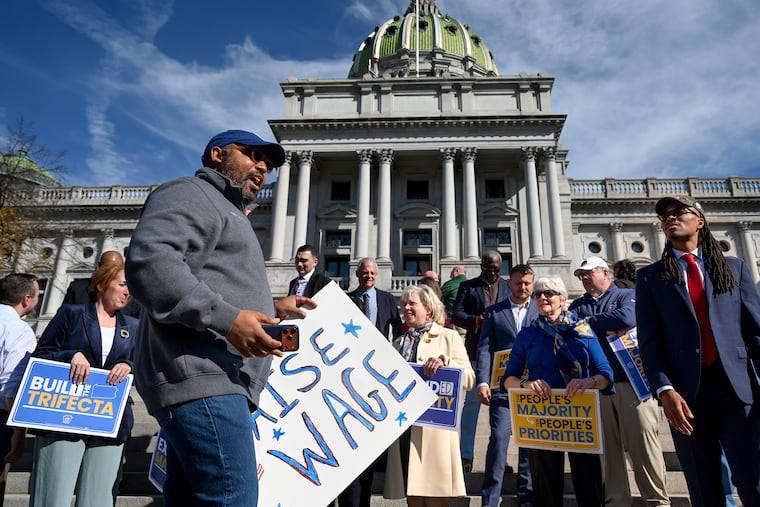
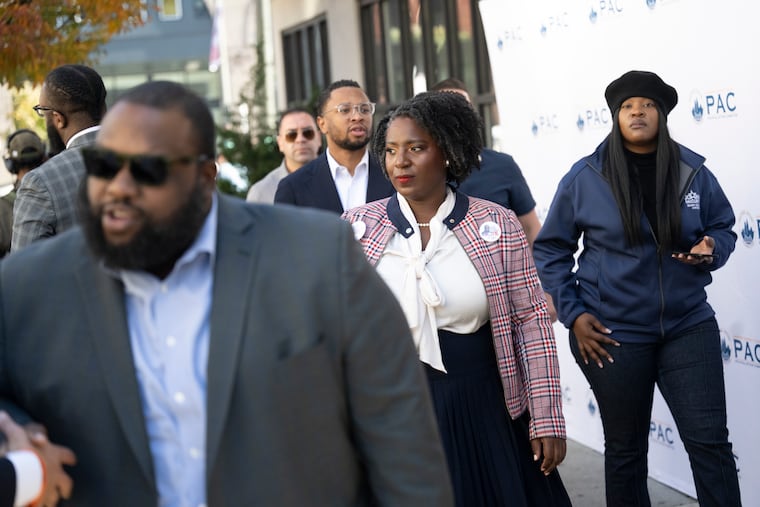
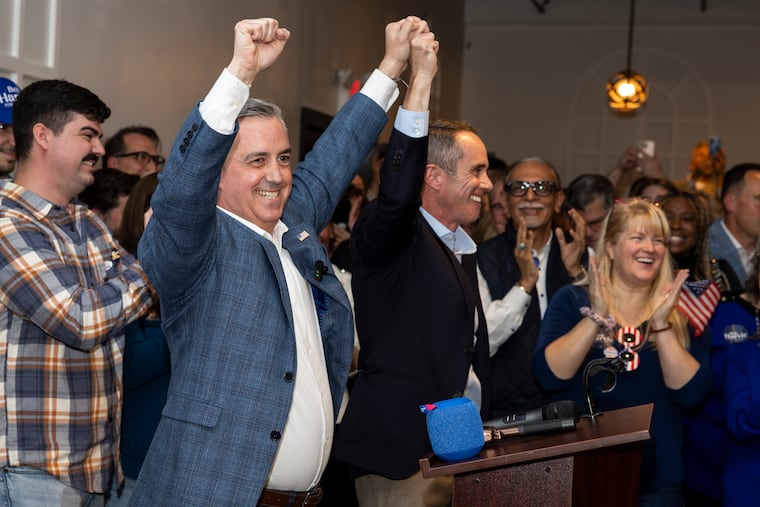
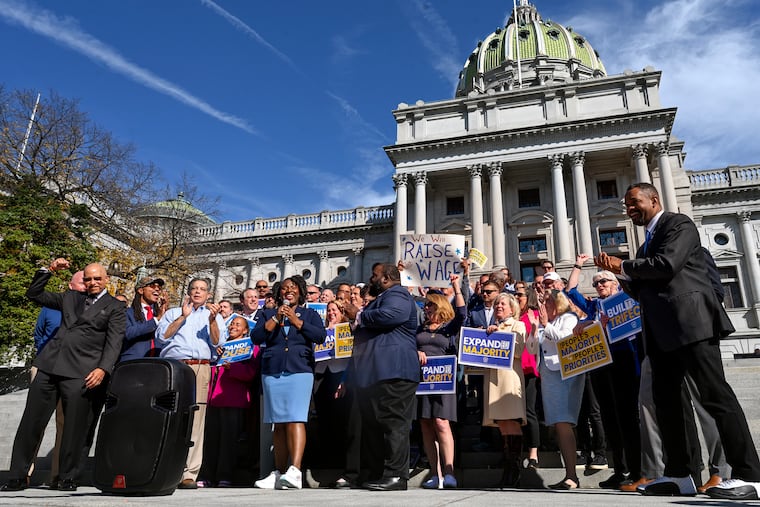
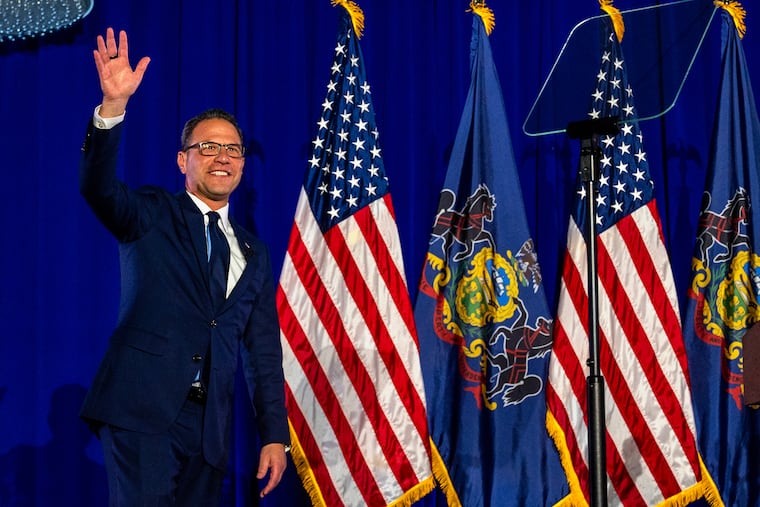
Sweeping election victories on Tuesday handed Pennsylvania Democrats control of the governor’s mansion and both houses of the state legislature for the first time in more than three decades.
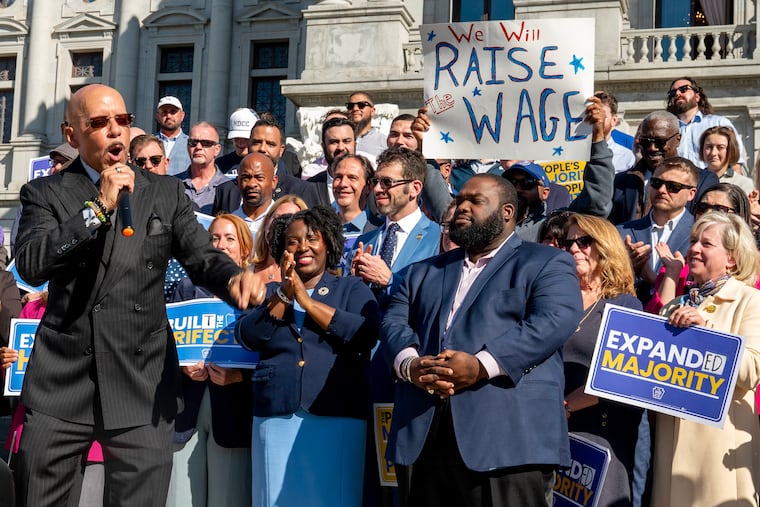
Now Gov. Josh Shapiro and his allies in Harrisburg say a top priority for the new governing majority is raising Pennsylvania’s minimum wage, which has been set at the federal level of $7.25 since 2009.
During his first term, Shapiro has repeatedly urged lawmakers in the politically divided General Assembly to raise the minimum wage to $15 an hour. The Democratic-led House has passed such legislation on several occasions, but the proposals have died in the Republican-controlled Senate.
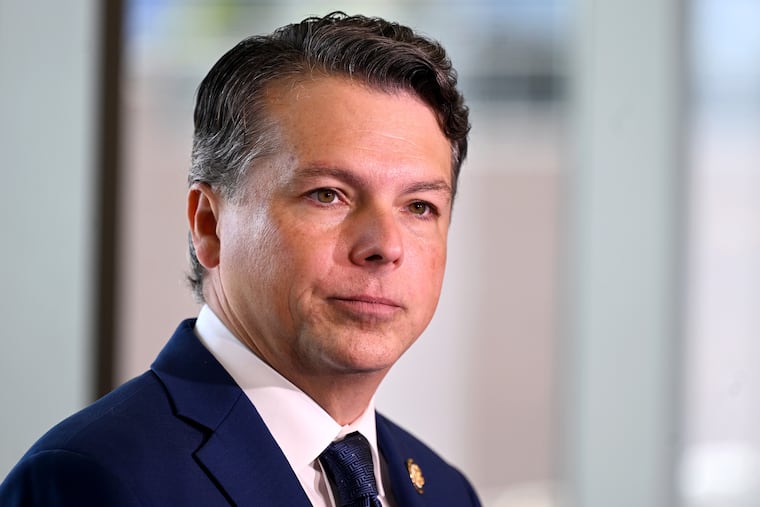
“Half a million workers in Pennsylvania still make less than $15 an hour — you can’t live off of that in 2026,” Shapiro wrote on X Wednesday. He said a measure raising the minimum wage will be the “very first bill” he signs into law in January.
Here’s what to know about the issue.
How many people actually make the minimum wage in Pennsylvania?
About 42,900 Pennsylvania workers earned minimum wage or less in 2025, or less than 1% of all workers, according to estimates by the state Department of Labor & Industry. Eighty percent of them worked part-time.
An additional 189,900 workers (6.4% of hourly workers) earned between $7.26 and $12. And some 320,900 (10.8% of hourly workers) made at least $12.01 and up to $15, according to the department, which publishes an annual minimum wage study based on data from the U.S. Census Bureau.
The data on wage rates exclude overtime pay, tips, and commissions.
The number of workers earning less than $15 an hour has declined over the past five years, the report says.
Almost three-quarters of those earning a minimum wage or less worked in food preparation and serving jobs.
Minimum wage earners were predominantly white and female. A slight majority were young — between 16 and 24 — and roughly half had attained an education level of no more than a high school diploma.
Advocates note that as Pennsylvania’s wage floor has remained flat for more than a decade, the cost of living has increased.
“While prices for some goods have fallen, essentials like housing, gas, and education have far outpaced inflation — leaving low-wage workers with shrinking buying power,” the left-leaning Keystone Research Center wrote in a report last year.
In Philadelphia, even $15 isn’t a sufficient hourly rate for workers to meet their basic needs, according to data compiled by the Massachusetts Institute of Technology. A living wage calculator developed by MIT projects that a Philly single adult without children, working full time, must earn $25.38 an hour to pay for basic needs including food, healthcare, and housing.
How does Pennsylvania’s minimum wage compare to other states?
Thirty states and the District of Columbia have adopted minimum wages that are higher than the federal level, according to the progressive Economic Policy Institute. As of 2025, 11 states — including Delaware and New Jersey — had a minimum wage of at least $15, while seven more were expected to reach that level this year, according to the Pennsylvania Department of Labor & Industry.
In March, the Pennsylvania House passed a bill, H.B. 2189, that would gradually increase the minimum wage to $15 by 2029. Starting the following year, the wage would be indexed to inflation, automatically increasing each year to adjust for changes in the cost of living.
“You shouldn’t have to work two or three jobs just to put food on the table and a roof over your head,” Shapiro said at the time.
Senate Republicans declined to advance the measure. “There is potential to finding a middle ground for an increase to the minimum wage, but any possible action would need to be a commonsense adjustment, and sensitive to the impact changes would have on small businesses and nonprofit organizations,” Senate Majority Leader Joe Pittman (R., Indiana) said at the time.
Economic impact of a higher minimum wage
The Pennsylvania Chamber of Business and Industry has warned that such initiatives would result in job losses, reduced employee hours, and higher costs.
On its website, the chamber cites a 2021 analysis by the nonpartisan Congressional Budget Office estimating that a $15 federal minimum wage would reduce employment nationwide by 1.4 million workers. The higher wage would also lift 900,000 people out of poverty, the report said.
“We all want Pennsylvanians to earn more,” Alex Halper, the chamber’s senior vice president for government affairs, said in a statement to The Inquirer, adding that policymakers should aim to create an environment “where businesses can grow, create jobs, and compete for workers.”
He said the chamber is “certainly willing to work on a minimum wage bill that at least mitigates negative impacts on small businesses, nonprofits, and job opportunities.”
Advocates for a higher wage say it would benefit more than just the roughly half a million Pennsylvania workers who make less than $15 an hour. The Keystone Research Center projects that about 405,000 workers who make slightly more than $15 would also see a pay bump. In total, the group says, more than 15% of the state’s non-tipped workforce would see wages rise.
“You will expect to see a ripple effect … as employers work to remain competitive for workers,” said Claire Kovach, the center’s research director.
New research published in the Journal of Health Economics found that in states that increased the minimum wage in the aftermath of the Great Recession, women aged 16-44, on average, saw a reduction in hours worked and full-time work. In addition, the research documented “small adverse effects on birth outcomes,” such as lower birthweight. The authors suggested pairing minimum wage increases with measures meant to limit the adverse effects and support pregnant women and parents of young babies.
“While the literature on older minimum wage increases found some evidence of negative employment effects, the evidence is mixed, and some economists strongly disagree,” Julia Hinckley, director of policy strategy at Penn’s Leonard Davis Institute of Health Economics, wrote in a review of the new research.
What happens next?
Shapiro and Democratic legislative leaders projected a unified front Wednesday, telling reporters that they would soon roll out an agenda for the first 100 days of the governor’s second term, which starts in January.
Shapiro listed several priorities — including raising the minimum wage and funding mass transit — and said to “expect more details in the coming weeks.”
He may face pressure from activists on the left to pursue a more far-reaching agenda, including on a wage hike.
Service Employees International Union 32BJ represents 22,000 property service workers — janitors, security guards, facilities workers — in public schools, commercial office buildings, and warehouses across Pennsylvania.
“Almost none” make less than $15 an hour, said Tim Finucan, the union’s state director for Pennsylvania and Delaware.
He praised Shapiro and his allies for pledging to raise the wage to $15 — and added that he also wants legislators to change the law so local governments like Philadelphia can set their own private-sector wage floors. For workers making $15 an hour in cities like Philly, Finucan said, “you’re still living in poverty.”
Finucan said he wants to see a “bare minimum” of $20 in Philadelphia.
“We spent a lot of time lobbying in 2025 around this issue,” he said. “I know we have allies in the House and Senate who would like to push this. I would like to lobby the governor and speak to the governor about this.”