Democrats expand House majority as lead in Mississippi Senate race grows
Republicans picked up House wins in Virginia and New York in the races called Thursday, but Democrats continued their run of wins in traditionally conservative areas.

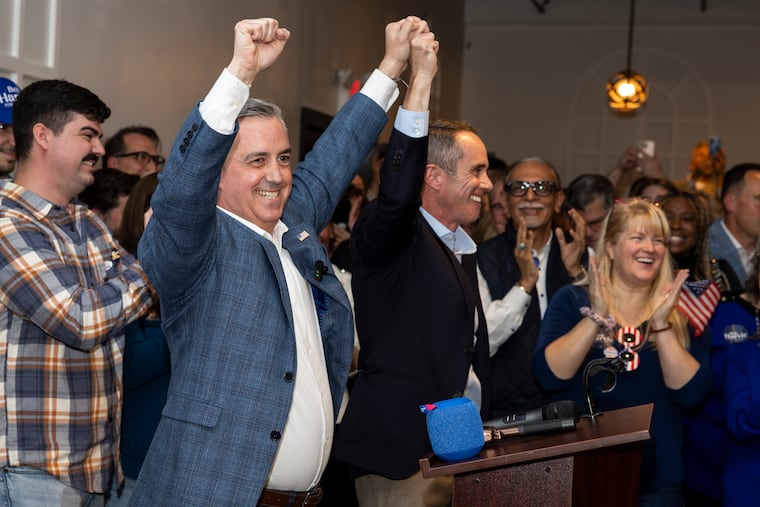
Democrats picked up more victories in tight House races Thursday, keeping hold of a North Carolina seat that had been the target of Republican redistricting and flipping seats in Virginia, Arizona, and Montana, where a former smokejumper disrupted decades of GOP dominance.
The latest race calls by The Associated Press increased Democrats’ margins in the House, though they also hoped to add Senate seats in Alaska and Mississippi, where their nominees held narrow leads over the Republican incumbents.
In Mississippi, Scott Colom, a Democratic prosecutor, increased his lead over Sen. Cindy Hyde-Smith to a little more than 1,700 votes, while in Alaska, former Rep. Mary Peltola was leading Sen. Dan S. Sullivan by an even smaller margin.
Republicans picked up House wins in Virginia and New York in the races called Thursday, but Democrats continued their run of wins in traditionally conservative areas.
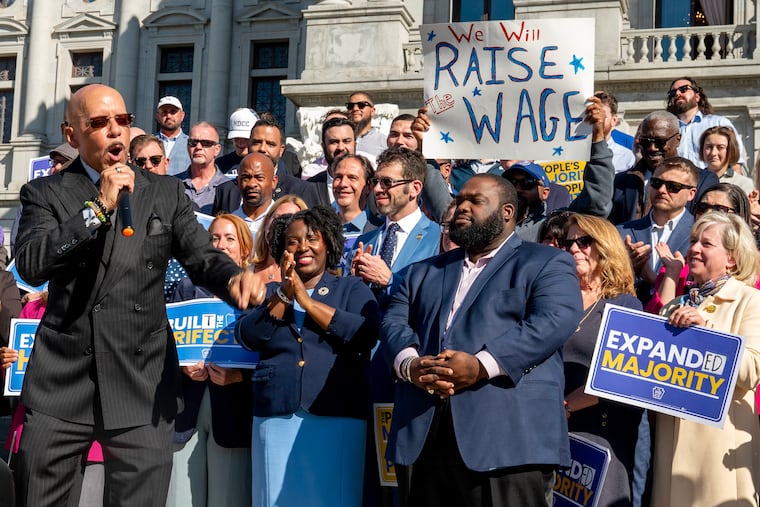
In Montana, Sam Forstag, a union leader who used to parachute into remote areas to battle wildfires for the U.S. Forest Service, will succeed Rep. Ryan Zinke, a Republican who did not run for reelection. Forstag’s pro-labor platform won endorsements from progressives like Sen. Bernie Sanders of Vermont and Rep. Alexandria Ocasio-Cortez of New York.
More than 30 House races were still uncalled as of midday Thursday, and the uncalled Senate contests remained front and center.
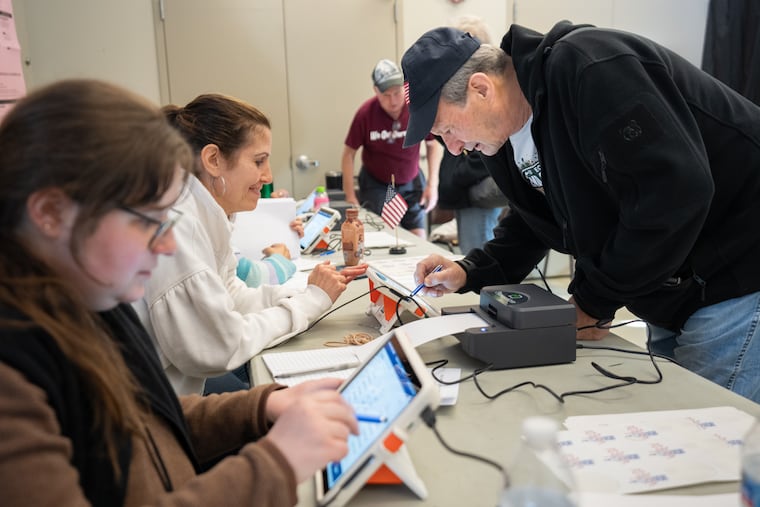
In Mississippi, the vote counts were rising slowly. Colom’s lead, which had been a few dozen votes Wednesday, grew as more ballots were tabulated. But an unknown number of provisional and mail-in ballots were still to be counted.
In Alaska, the bulk of the remaining ballots was expected to be mail-in votes, which tend to favor Democrats, but the race will proceed to a ranked-choice tabulation Nov. 18 if no candidate reaches 50% of the vote.
Earlier Thursday, President Donald Trump renewed his complaints about the race in Alaska, where a spoiler candidate with same name as Sullivan, the Republican incumbent, was recruited by Democrats to be on the ballot, a longstanding tactic used by both parties known as ballot stacking.
In a social media post, Trump said the votes for the similarly named candidate, as well as for a second candidate, should be transferred to Sen. Sullivan, arguing it was the only “fair solution.”
A federal judge previously had dismissed a Trump administration effort to preemptively block certification of the results if the incumbent suffered a narrow loss because of the ballot-stacking effort.
Republicans are still grappling with a series of losses that have stunned members of the party and sent them seeking answers.
Sen. John Curtis (R, Utah) rejected Trump’s assessment that Republicans lost because the president was not on the ballot, saying that voters care about corruption and the economy.
“This was about the president and the president’s policies,” Curtis said. “And I think that to pretend otherwise is not realistic.”