Lawnside embraces its past as the South Jersey community celebrates its 100th incorporation anniversary
Lawnside's roots date to the 18th century.
After Lawnside became the first incorporated African American municipality in the Northeast, the South Jersey community became a center for Black culture.
It attracted visitors from across the region drawn to its thriving churches, jazz scene, nightclubs, amusement park, shops and gathering spaces, and barbecue stands.
A century later, Lawnside has embraced its past as the first Black self-governing municipality, and while it has changed with the times, it also has preserved its rich history that traces its roots to the 18th century.
“It is quite a history. It’s a big deal,” said Linda Shockley, president of the Lawnside Historical Society. “I love the idea of Lawnside.”
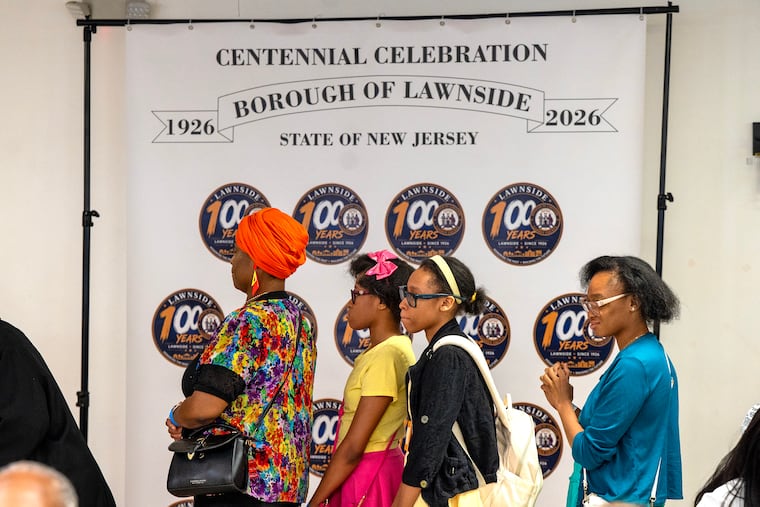
Lawnside launched a centennial celebration earlier this year to commemorate its milestone anniversary with activities that included a scholarship luncheon, a Juneteenth celebration, and a barbecue cookout. More events are planned for later this year.
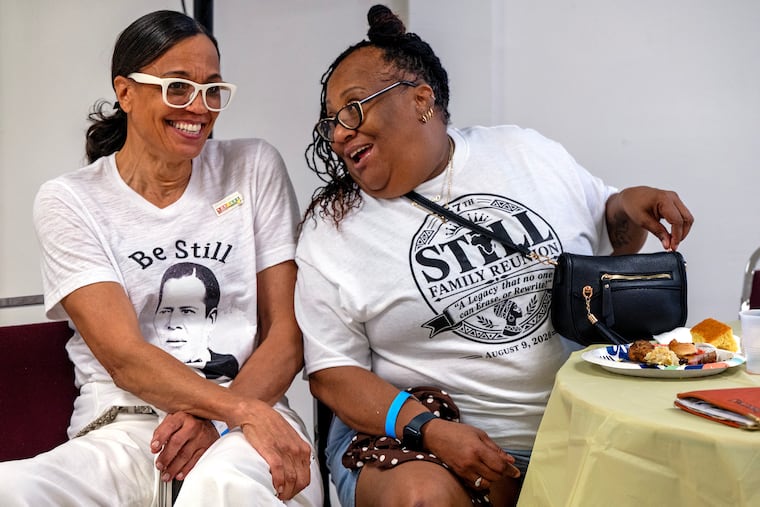
And on Sunday, as they have for more than 150 years, descendants of one of Lawnside’s oldest families, the Still family, met for their annual gathering.
The tiny community of about 3,200 residents was established on March 23, 1926, when Gov. A. Harry Moore signed legislation incorporating the Borough of Lawnside.
Best known as a stop on the Underground Railroad, Lawnside was previously known as Snow Hill. Peter Mott, a freedom fighter, used his three-story home to help enslaved people escape.
During its heyday, Lawnside was a popular destination for Black people who traveled there to shop, attend church, and socialize, said Shemele Jordon, a professional genealogist. The town had its own schools, businesses, and doctors. Because of segregation, many could not go elsewhere, she said.
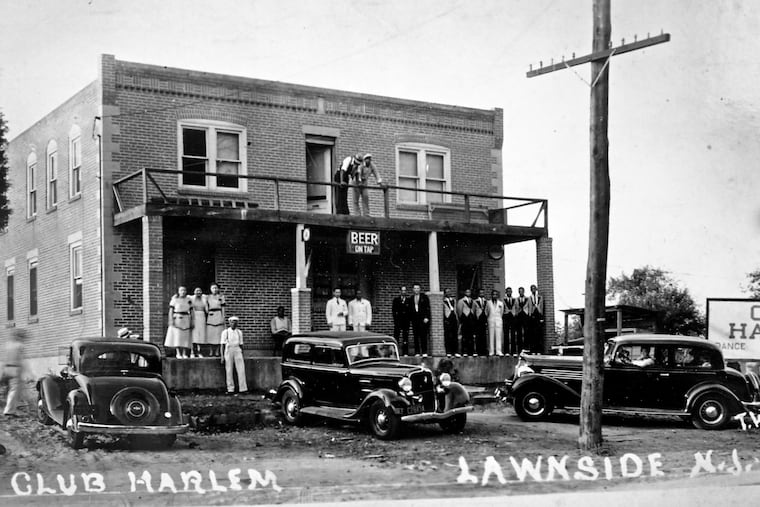
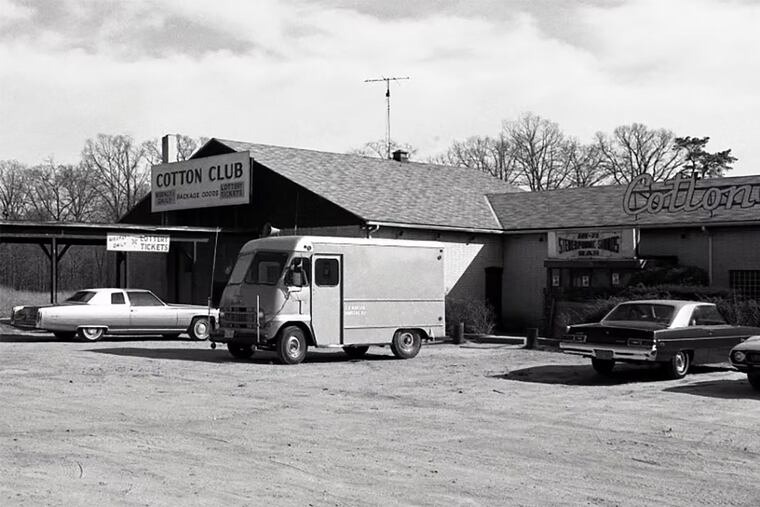
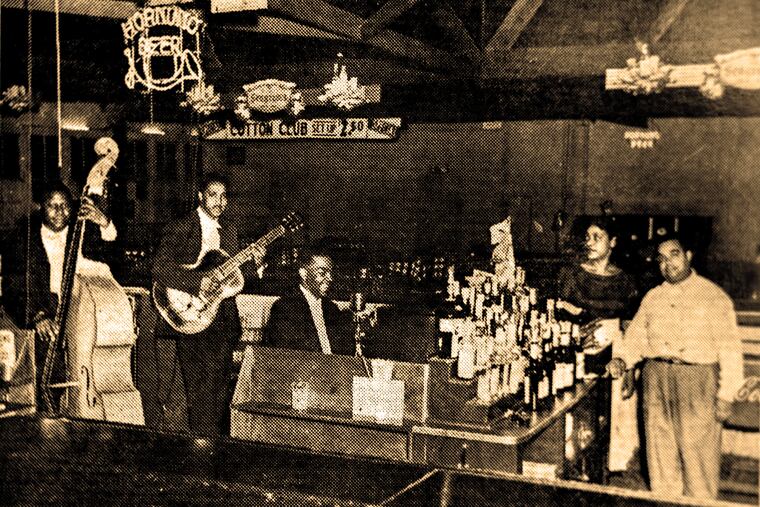
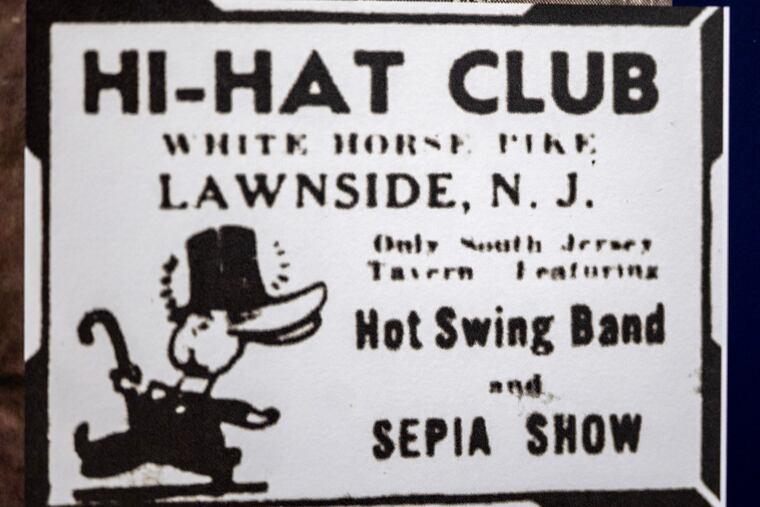
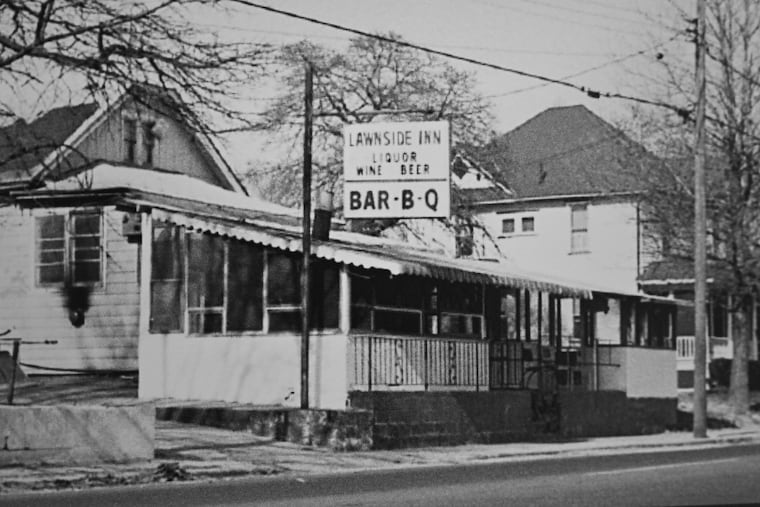
“It was a place where African Americans came from all over,” said Jordon. Professional athletes from Philadelphia traveled there for haircuts, she said.
Over the years, the landscape has changed in the 1.4-square-mile town, located about 13 miles southeast of Philadelphia. Most of the attractions — like Lawnside Park which had a Ferris wheel, a baseball stadium, and picnic areas — have been replaced with developments and retail spaces.
The demographics have changed, too, although Lawnside remains an independent and self-governed predominantly Black community that maintains close ties to its past. The population is about 70% Black, 20% Hispanic, 5% white, and 1% Asian.
Lawnside remains a close-knit community where just about everyone knows everyone else, said Mayor-elect Michael Harper. Growing up, three generations of his family lived there. Now, his five adult children reside in Lawnside, he said.
“I counted it a blessing that I knew my family my entire life,” said Harper, 63, who recently retired as the Camden fire chief. “We’re going to try to keep this legacy going.”
Family reunion
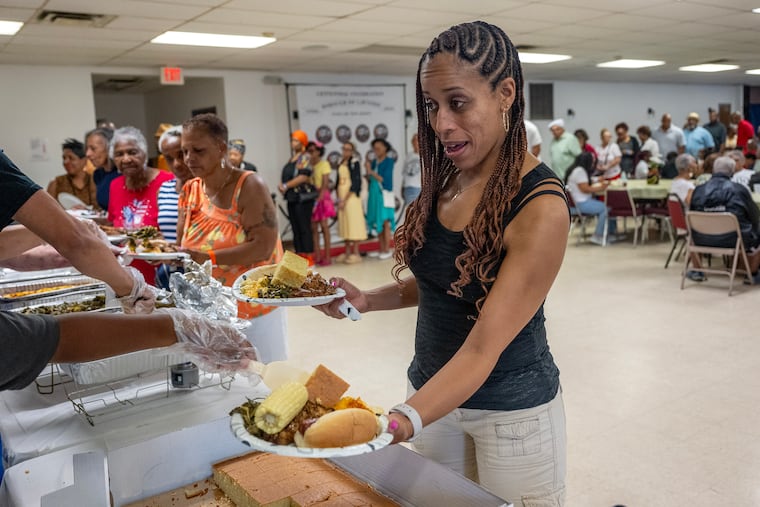
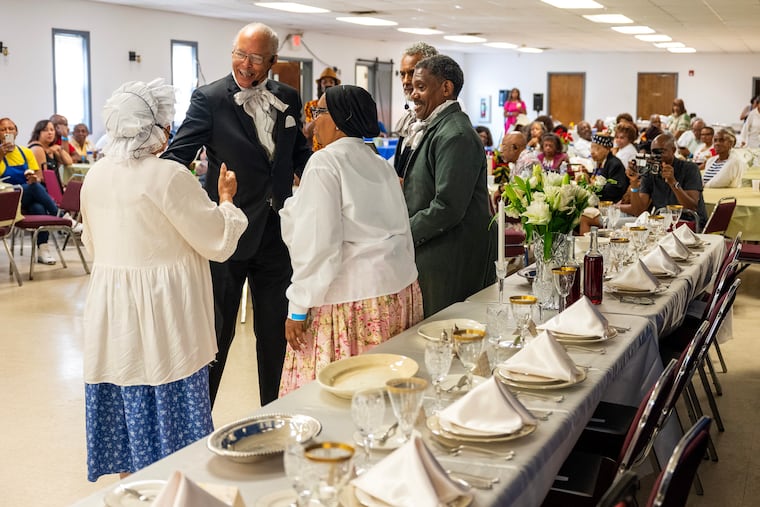
The Still descendants on Sunday had a catered barbecue meal, shared family stories and songs, and walked a short red carpet runway.
“I love to see gatherings like this,” said Jill Samuels, 72, of New Rochelle, N.Y. “This country tries to divide us. It’s important for families to stay together.”
Her mother Ola Bass, 99, a former Philadelphia schoolteacher, was the oldest person at the gathering. She was born on Nov. 23, 1926 in a house in Lawnside built by her father.
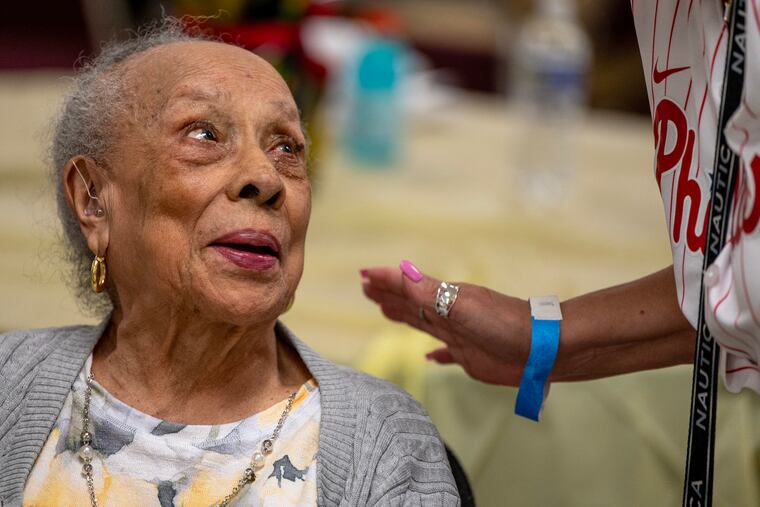
“I wake up each morning and I say, ‘Lord, am I still here?’” she said.
Said her daughter: “There’s a reason the Lord still wants her here.”
They were among the nearly 200 people who attended the reunion at the Wayne R. Bryant Community Center. Earlier, they attended services at Mt. Zion United Methodist Church, the family’s church, and where a family member, the Rev. Clifford Still, is the pastor.
“It’s just been a part of the reunion,” said Winifred Still Davis, one of the reunion planners. “That’s where we started.”
The reunion began in 1870, and for many years mostly consisted of church services and dinner at Mt. Zion. Later, it became a picnic held in a family member’s backyard.
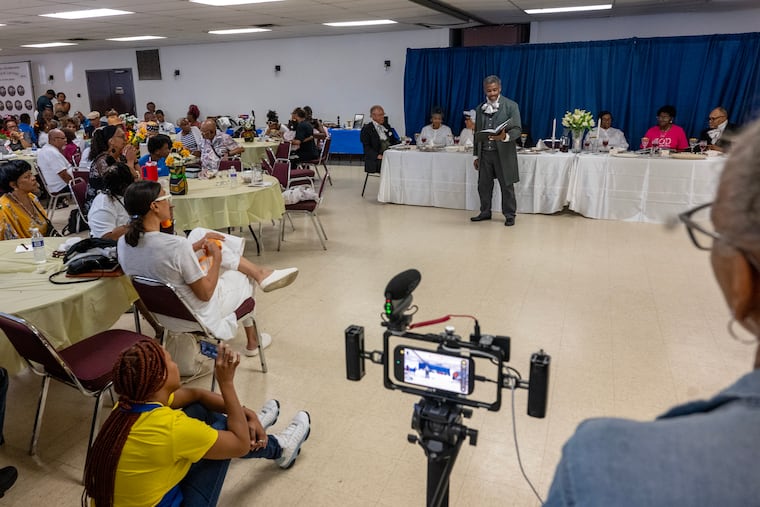
On Sunday, family members reenacted the first reunion, a gathering of 10. They set up a table with formal place settings.
“We have to remember the ancestors. We walk on their shoulders,” said Valerie Still. “They can’t erase our history as long as we stay united.”
That history also has a strong spiritual foundation.
The `mother church’
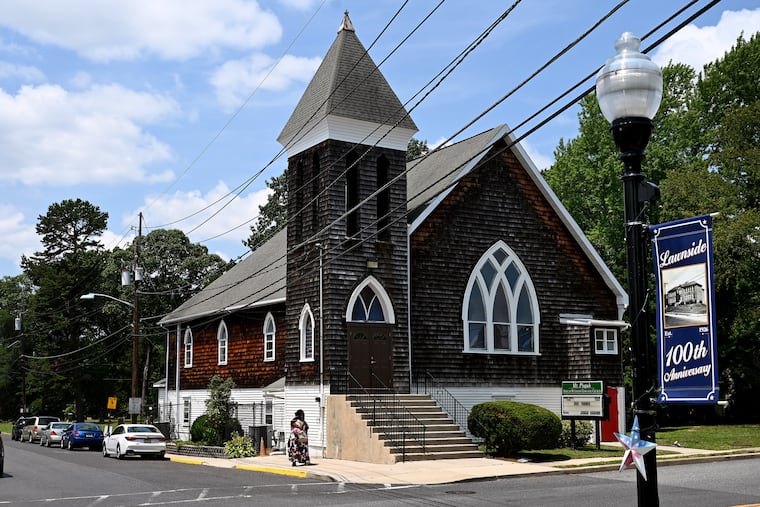
At the historic Mt. Pisgah African Methodist Episcopal Church on Warwick Road, the faithful from Lawnside and neighboring communities still worship on Sundays. The oldest church in town, it also has played a role in the borough’s religious life..
The church began as Methodist prayer meetings held in homes around 1792. Philadelphia Bishop Richard Allen formed an A.M.E. church that became Mount Pisgah.
It is the second-oldest A.M.E. church in New Jersey and was where the Rev. Jarena Lee became the first woman in the denomination allowed to preach.
Although its membership has declined in recent years, Mt. Pisgah remains a cornerstone. It is considered the “mother church” that birthed other worship houses in Lawnside and elsewhere.
“This is my home away from home,” said Ava Rhem, 76, of Pine Hill, a member since 2005. “The nucleus of our family is our faith.”
On a recent Sunday, the Rev. Josiah Haggins preached an upbeat message: “Fix your face,” taken from the biblical story of Cain and Abel, to about 30 parishioners.
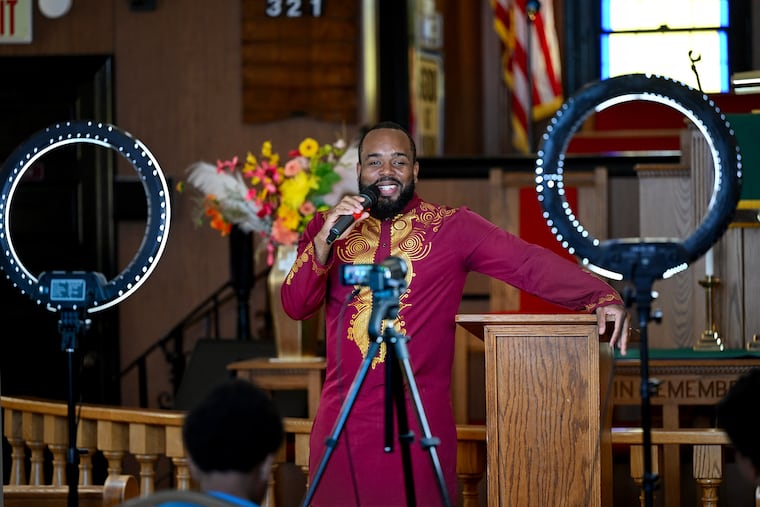
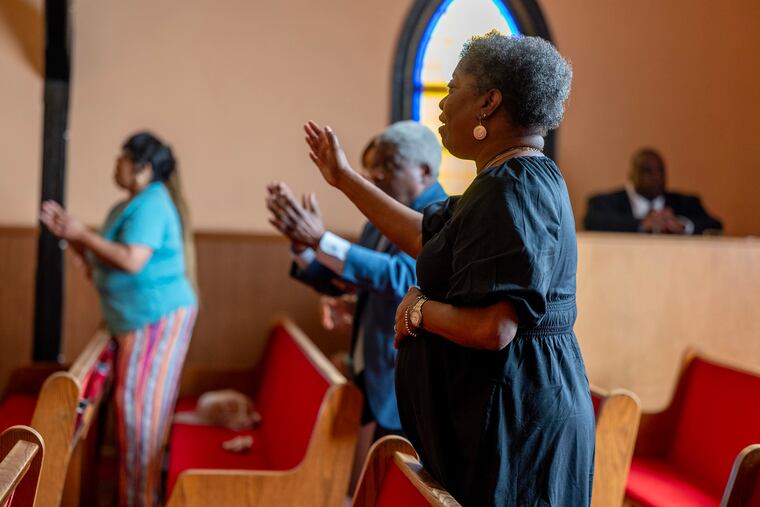
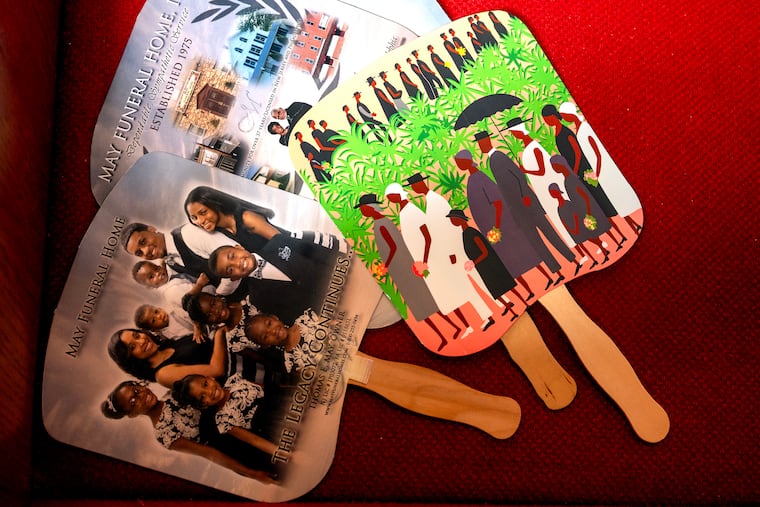
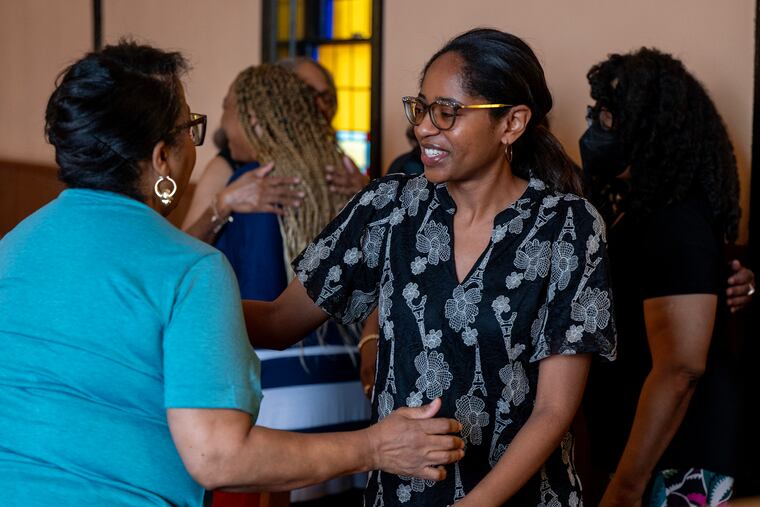
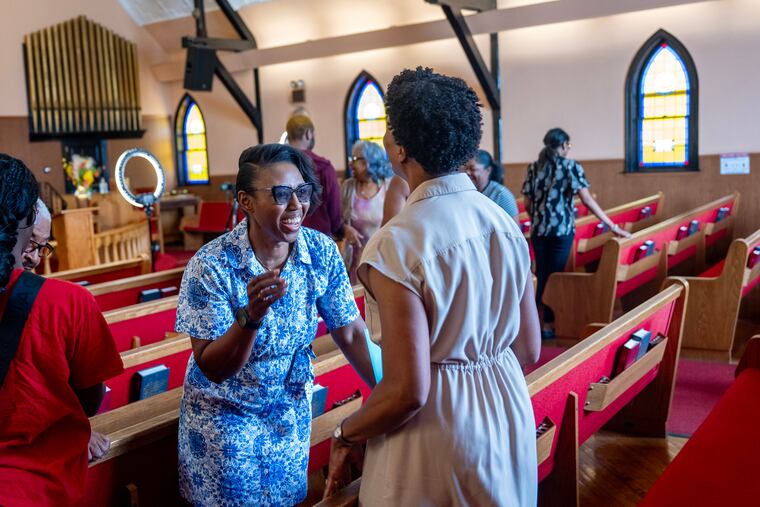
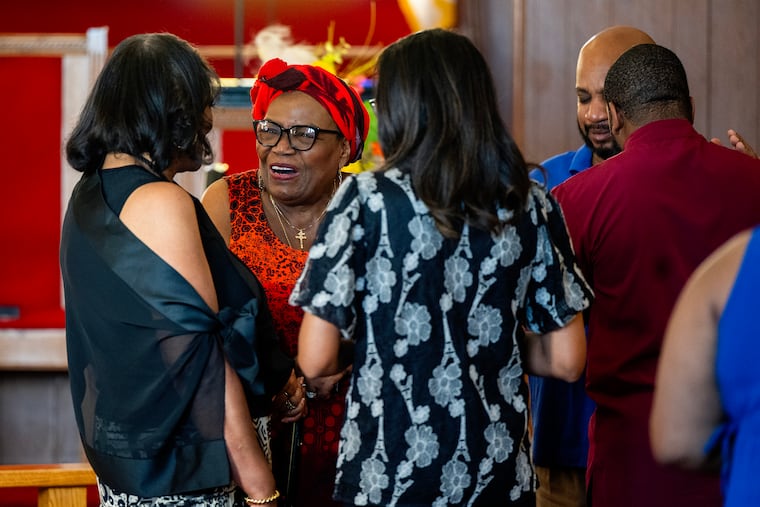
Haggins delivered a call-and-response sermon that at times brought the congregation members to their feet answering in affirmation. A keyboard player and a drummer pounded spiritual melodies.
The church is one of three Lawnside sites on the National Register of Historic Places. The others are the Peter Mott House and Mt. Peace Cemetery, a resting place for Black Civil War veterans.
“It’s a foundation of our lives,” said Chere Munderville, 52, of Sicklerville. “There’s so much going on in this world that you need fellowship.”
Haggins, a native of Jacksonville, Fla., was appointed the pastor in 2022. He was unaware of Lawnside’s history when he moved there with his wife, Rochelle, also a pastor, and their three children, but has embraced its traditions.
“Pastoring is the greatest privilege that God has trusted me,” Haggins said. “I just want to try my best to honor that.”
And, of course, so much of Lawnside’s history is about history, itself.
Teaching history
On a recent tour, the students in the Lawnside Underground Railroad Camp listened intently for two hours as they viewed an exhibit about Lawnside on display at the Camden County Historical Society in Camden.
Jordon, the exhibit’s curator, guided them through the exhibit showing them old photographs and artifacts chronicling the centennial anniversary. Lawnside was located on unincorporated land known as Centre Township when Black residents settled a boundary dispute to form the borough, she said.
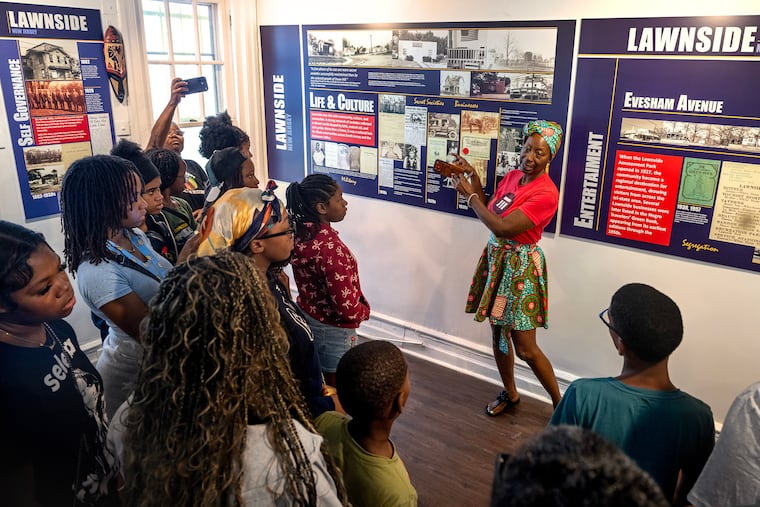
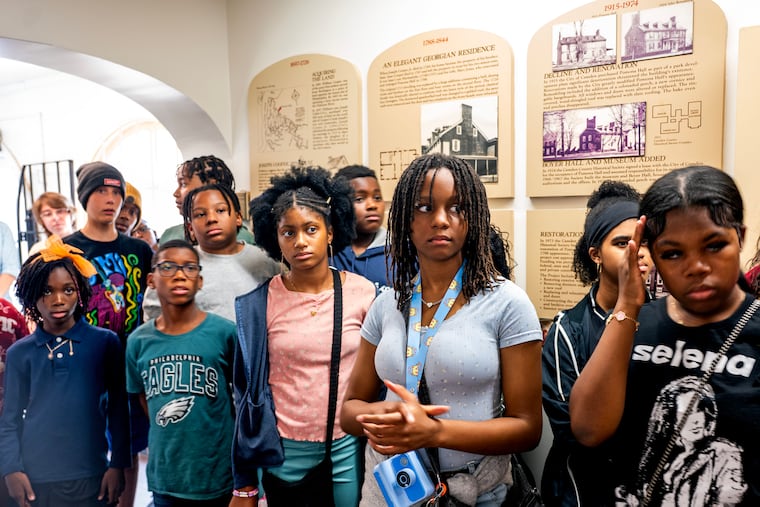
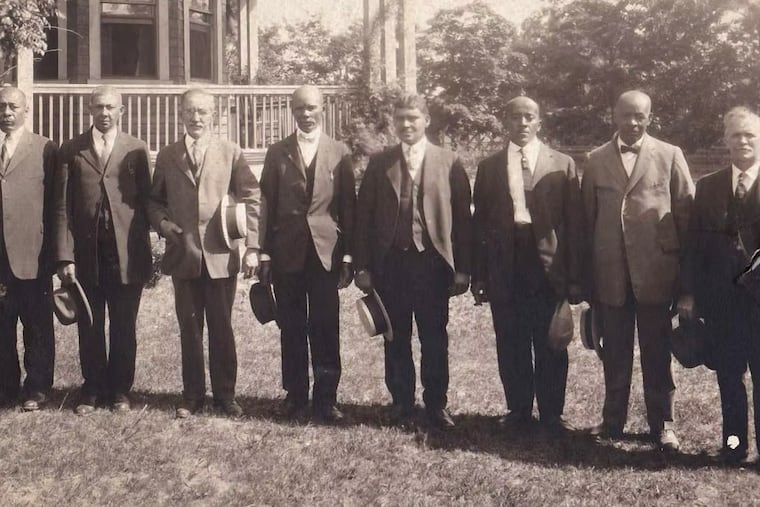
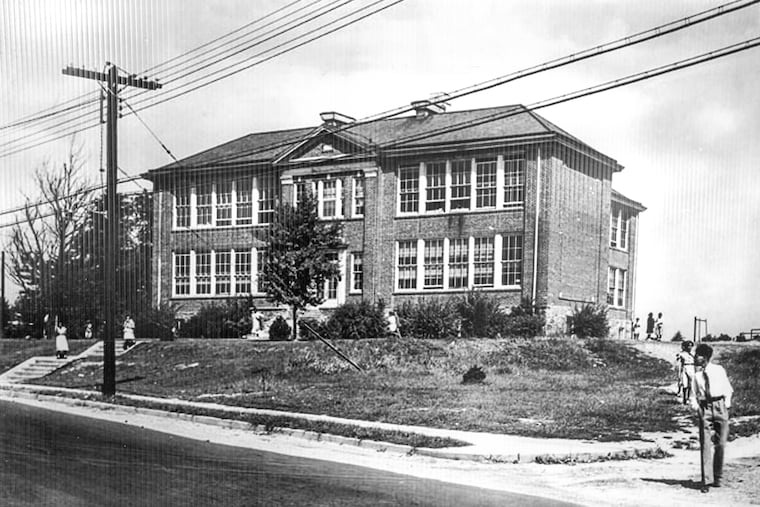
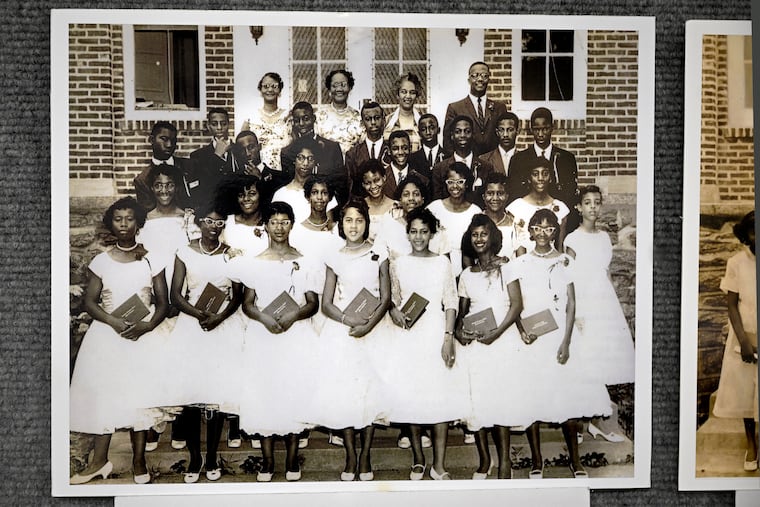
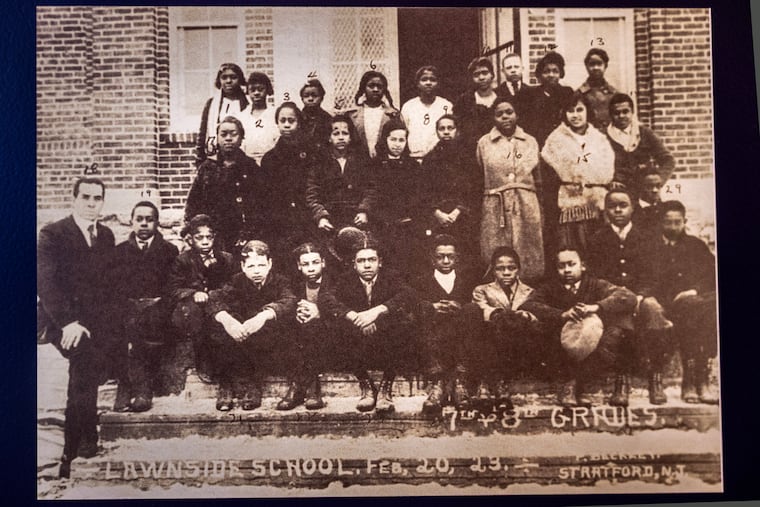
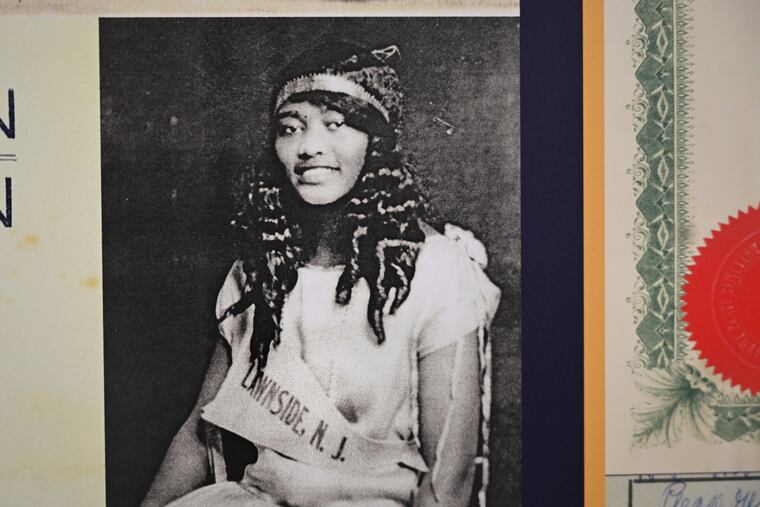
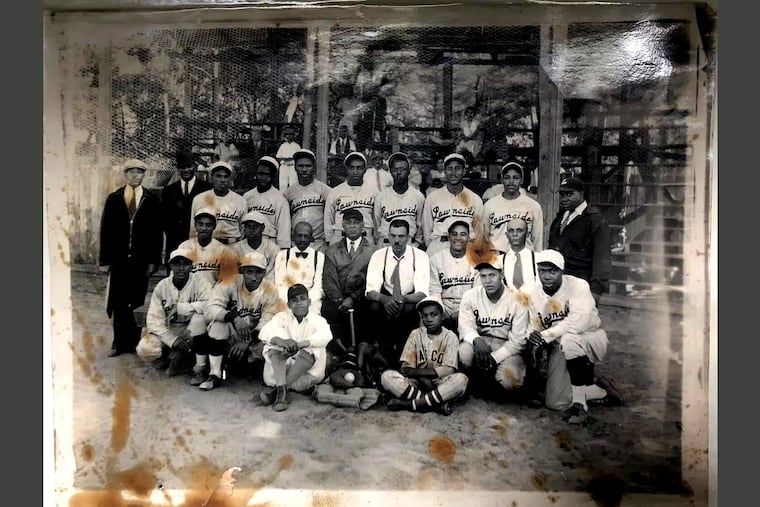
“This is 1926 — Black people standing up for themselves. Let’s hear it for the Black people,” she said, drawing applause.
The free youth camp, in its fifth year, is the first-of-its kind sponsored by the historical society to teach middle school students about the Underground Railroad.
They learned about historic sites and slave auction block sites in Camden. At the end of the five-day camp, they made craft, visual arts and poetry projects to show what they learned.
Stacey Johnson, 13, a rising ninth grader at Sterling High, said his mother signed him up for the camp. He initially didn’t want to attend, but was happy that he did.
“It gives me a better insight on Black history,” said Johnson, of Somerdale. “It was nice to least learn about it.”
James Whitworth, 12, a rising seventh grader at Lacey Township Middle School in Ocean County, the only white student in the camp, said he learned about the camp from a friend. His mother transported him daily the 50-plus miles from Ocean County.
“I just wanted to learn more about Black history. It just seemed interesting,” said Whitworth. “It’s been a nice experience.”
Angela McNeil, of Lawnside, said she knew the camp was a good experience for the four children she signed up when she heard them another room singing “Wade in the water,” a Negro spiritual they learned at camp.
“It’s important for them to understand their past and know their history,” said McNeil.