The poorest big city in America can’t tax its way to economic prosperity | Shackamaxon
Plus: A new targeted tax, the sheriff can’t hide from the numbers, and nobody wants traffic for Christmas.

This week’s edition of Shackamaxon covers a City Council hearing on business taxes, a new levy with an interesting target, the debate over how best to handle Christmas crowding, and the data case against the sheriff.
Tax burden
Last week, I wrote about one of our city’s biggest challenges: our stagnant and anemic economy. The lack of opportunity in Philadelphia is the biggest reason people leave (and why we’re back to being America’s poorest big city).
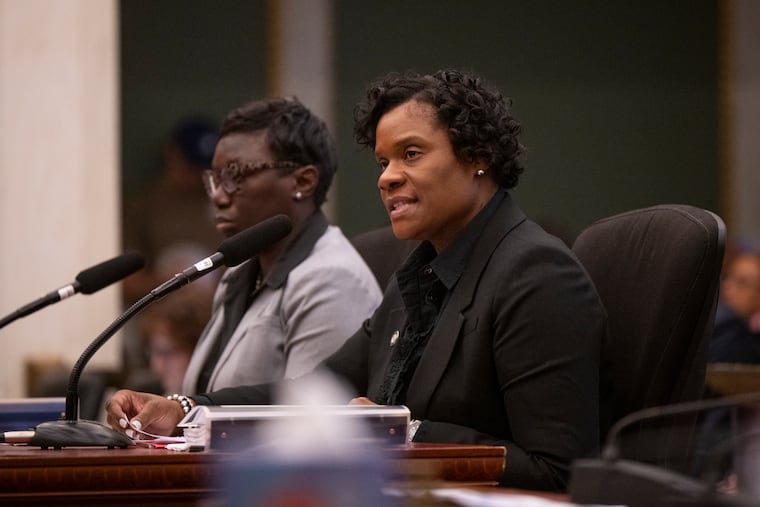
This week, City Council held a hearing into one of the biggest obstacles to a stronger local economy: our onerous business taxes. The end of the $100,000 exemption for small businesses adds urgency to the discussion.
While many American cities tax employers, Philadelphia takes it to another level. A Philadelphia-based business pays $1.395 for every $1,000 in revenue produced within the city. The city then takes 5.65% of the business’ net income. The city also has a net profits tax, which charges 3.74% to residents and 3.43% to nonresidents.
Beyond these costs, the city also charges a wage tax (with roughly the same rates as the net profits tax), a 2% additional sales tax, and various industry-specific fees like the sugary drinks tax, liquor by the drink tax, hotel tax, and parking tax.
For decades, this system has helped drive employers out of the city and into the welcoming arms of Conshohocken, Plymouth Meeting, and Malvern. The exodus of jobs into the suburbs makes it harder for city residents to access opportunity and contributes to Philadelphia’s lack of economic mobility.
Over the years, various tax commissions have returned with the same conclusion — we need to change this system. Meanwhile, city leaders have responded with an incremental approach.
Over time, the tax rates go down, slightly, across the board. This has predictably made no one happy. The business community is still paying onerous rates, and progressive advocates lament the missing revenue.
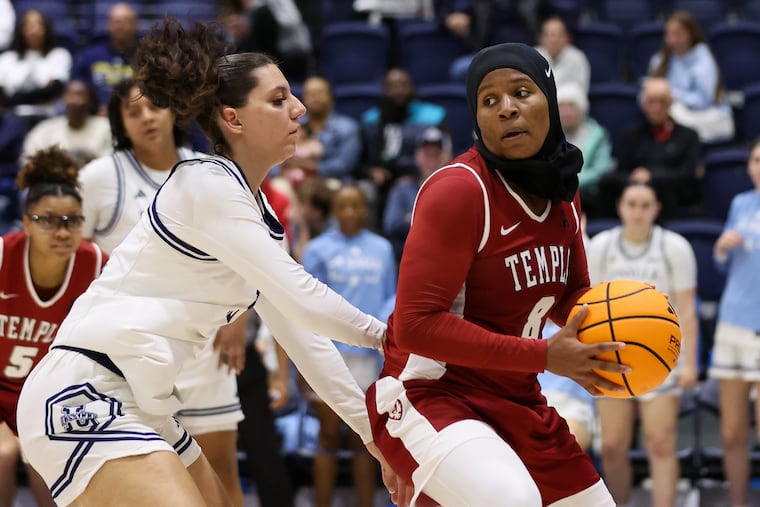
I would humbly suggest an alternative approach, one seemingly shared by Councilmember Isaiah Thomas. Instead of reducing all three tax rates at once, officials should focus on the net income portion, which is the most likely to determine where a company chooses to locate.
At the hearing, city officials suggested that this would be less equitable because more profitable companies would see the biggest benefit. But that perspective is backward. The goal of taxes isn’t to conform to someone’s theoretical definition of fairness; it is to raise the most revenue for important civic needs while having the least negative impact on our economy.
A firm moving from Center City to Cherry Hill is a bigger blow to equity than any tax cut. The companies that pay the most in net income are also the most able to pick up and move without losing access to their existing customers in the city.
Near the end of the hearing, Thomas quoted an unnamed former colleague who told him that City Council “does a good job making sure people are comfortable being poor, but we need to pull poor people out of poverty.”
Hopefully, more of his colleagues will make the same connection.
Targeted tax
Political observers were blindsided by a proposal for yet another tax last week.
Mayor Cherelle L. Parker’s administration, working alongside Council President Kenyatta Johnson’s team, unveiled a proposal to expand the city’s current 7% tax on outdoor advertising (think billboards) to all kinds of advertising (think newspapers, online, and television).
In full transparency, this tax would undoubtedly impact The Inquirer. But it is smaller outlets that would likely bear the brunt.
The Philadelphia Citizen asked if the city is now taxing free speech, while the Chestnut Hill Local begged city officials to not drive them out of business. The stated justification for the tax is, as always, the city’s schools. Council rejected the mayor’s plan to tax rideshare companies in the spring, creating a hole in the district’s budget.
Among longtime City Hall observers, there are two theories about the timing of the announcement of the proposal.
One involves next year’s Council races. Or, namely, that any challengers to Council’s 17 incumbents would have to pay an additional 7% anytime they take out a political ad.
The other theory involves the Philadelphia Activities Fund, the largely discretionary pool of money Council members can tap each fall — during what’s known as the “midyear transfer” — to cover the cost of some of their priorities that weren’t funded in the regular spring budgeting cycle.
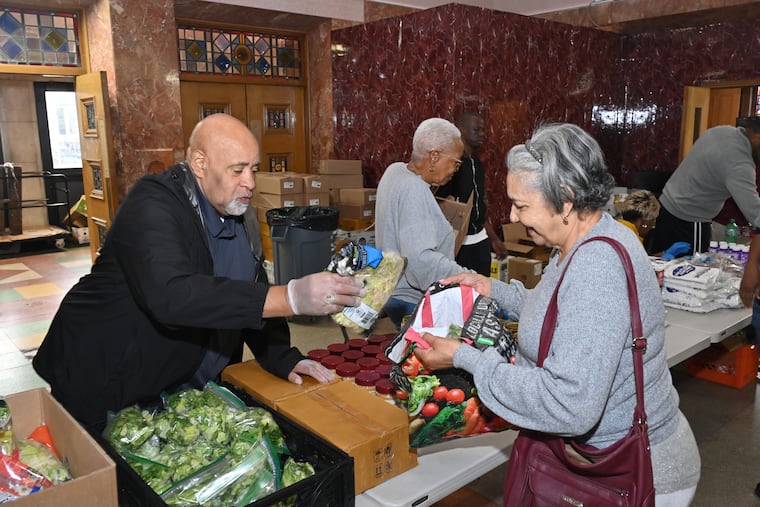
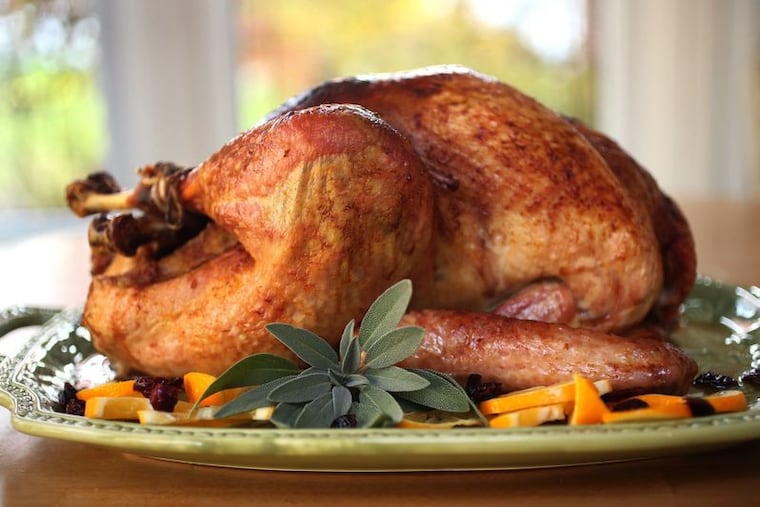
The fund allows members of Council to play Santa Claus with our money: sponsoring youth sports teams, giving away turkeys for Thanksgiving, and other nice-to-have — but hardly essential — parts of government.
The second theory goes like this:
Council members were forced to sacrifice many of their pet projects last spring when Parker’s rideshare tax proposal failed, eliminating a potential source of revenue.
Council members see the midyear transfer as a way to use the activities fund to pay for those abandoned projects, which are especially important right before an election year.
But the mayor has been adamant that she doesn’t want to commit any funds that aren’t replenished by some kind of revenue stream.
Voilà. Council proposes the advertising tax, which would create the kind of additional revenue source needed to address Parker’s spending concerns.
It has been alarming to see how quickly the advertising tax proposal has come together.
Philadelphians debated the rideshare tax, the delivery tax, and the hotel tax over the course of many weeks. The advertising tax, however, is being rushed through. Unlike Uber and Lyft, most media outlets simply do not have the money to hire a bunch of high-powered lobbyists to fight this fee.
As much as Council claims to emphasize equity, passing over Silicon Valley behemoths and choosing to batter local news shows its true priority: self-preservation.
Christmas crush
I’ve long believed Christmas is best experienced in an urban setting. From the giant trees that go up in places like our own City Hall and New York’s Rockefeller Center to the decorations that adorn commercial corridors, being in a big city brings a constant reminder of the holiday season.
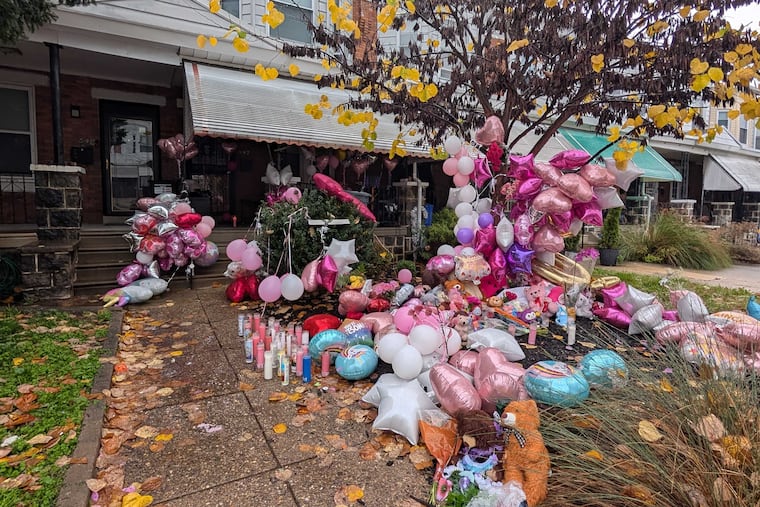
On the 1600 block of South 13th Street in South Philadelphia, they take holiday cheer to the next level. In what’s become a regional attraction, residents collectively decorate their homes and the street itself. As someone who lives nearby, I can attest that it is a genuinely fun experience.
Less enjoyable is what comes with it.
While the Miracle on 13th Street is best enjoyed on foot, that has not stopped visitors from driving through, often at very low speeds. Tour buses have joined the crowds, compounding traffic. While I have yet to hear from a single person who wants the display to go away, some neighbors are worried about access for emergency vehicles. These concerns are legitimate. Passing by Broad and Morris Streets on a December weekend evening will provide a quick education on how chaotic things can get.
In response, some have proposed closing the block to traffic during its busiest times. So far, the city has yet to acquiesce.
I’m still waiting for a response from the Streets Department as to why, and Councilmember Mark Squilla has said they are still looking into it. On the surface, however, the plan makes perfect sense. If visitors choose to park elsewhere and walk over to the display, this should reduce traffic backups in the area.
It’ll also ensure they can fully appreciate the seasonal decor.
Data-driven
Embattled Philadelphia Sheriff Rochelle Bilal has routinely sought to cast her critics as misinformed, and her struggles as the continuation of bad decision-making by her predecessors at the sheriff’s office.
Nick Jain, a local data enthusiast, has quantified and visualized these struggles.
Using the city’s own data, he’s shown a dramatic increase in wait times for deeds. When did these delays jump up? After Bilal first took office in 2020.
The average wait time in 2015 was just 11 days. In 2026, it surged to 103. In fact, Bilal’s office has remained under the court-mandated 40-day limit in just one year, 2022. Jain told me that his initial research has shown similar results for other parts of the sheriff’s portfolio.
Many Philadelphia sheriffs have experienced ethical lapses while in office. Bilal has uniquely combined these struggles with an inability to perform the basic functions of the job.
About our columnists
In contrast to news reporters, who operate within an independent, nonpartisan framework, columnists are charged with including their perspectives, opinions, and viewpoints when presenting their reporting. Inquirer columnists include Jenice Armstrong, Will Bunch, Luis F. Carrasco, Paul Davies, Daniel Pearson, Trudy Rubin, and Sabrina Vourvoulias.