The cost of going home: Airports become sites of forced separation for immigrants
The fear of being targeted by ICE at the airport is real, but so is our power to protect each other, write Erika Guadalupe Nuñez and Elena Emelchin Brunner.
Erika Guadalupe Nuñez is the executive director of Juntos, a community-led, Latine immigrant organization in South Philadelphia. Elena Emelchin Brunner is a lead at Sarin Gal, social justice community-rooted group for Kalmyk resilience.
In a few weeks, one of us will fly to Phoenix to accompany her parents, both immigrants vulnerable to Immigration and Customs Enforcement detention, on a cross-country road trip to Chicago. What would have been a five-hour flight has now become a 25-hour drive, because of the rational fear that they could be detained at their local airport, separated from their adult children and a life they’ve spent 35 years building, all while seeking one universal experience: to spend the holidays together as a family.
As longtime immigrant rights organizers, we know this fear is not unfounded. We have seen detention tactics expand locally and nationally under Trump 2.0. After one of our siblings was deported earlier this year, the reality of our system became even more brutal.
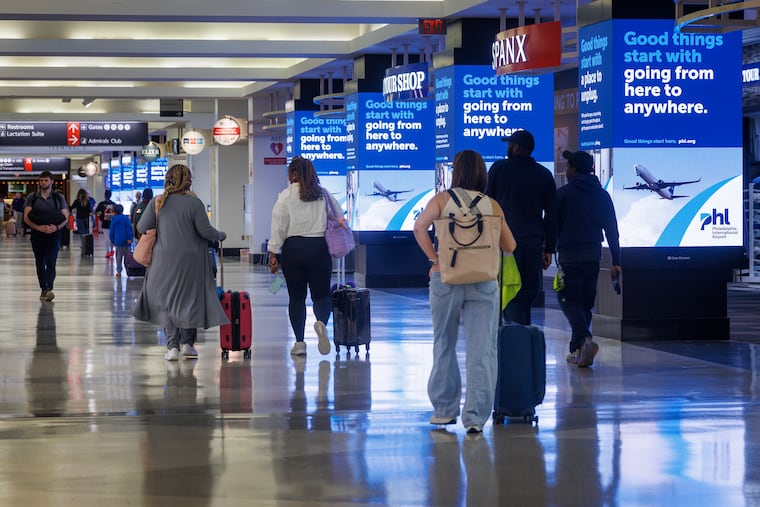
And in Philadelphia, the airport has become another place where families must weigh the risk of being separated against the possibility of being together.
After one of our siblings was deported earlier this year, the reality of our system became even more brutal.
Thanksgiving kicked off a season of joy, family connection, and home. But the idea of holidays — these in particular — and who gets to move freely, has always been shaped by systems of exclusion and control.
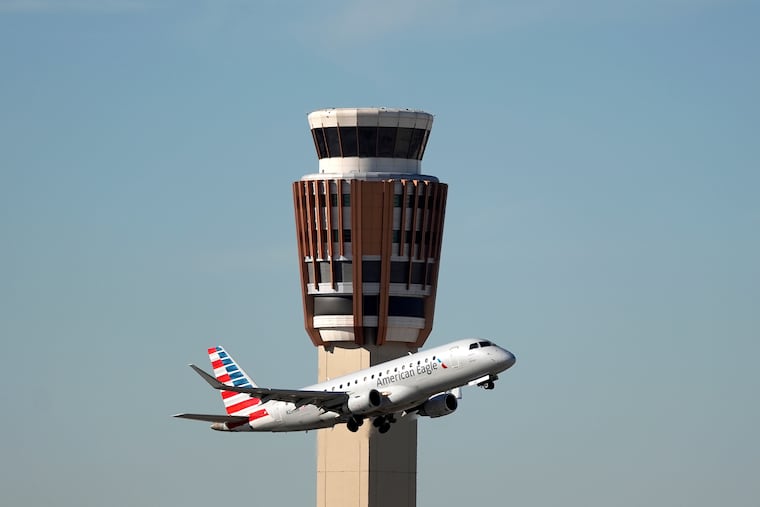
As ICE enforcement escalates in our communities, inflicting immediate physical and long-term psychological harm, we are now confronting a new site of enforcement: our airports, where ICE can operate quickly and in relative secrecy under the umbrella of federal operations.
At Philadelphia International Airport (PHL), more than 50 immigrant community members have been detained since July 2026. Some were met with agents waiting for them in the ticketing area, others were snatched before entering security screenings, and others were detained at their gate. Some were released on bond and with ankle monitors, and others were deported after being heavily pressured to sign self-deportation papers.
We are watching unchecked enforcement become the new normal. When we get used to checkpoints, surveillance, and arrests by plainclothes strangers without ID in one setting, we leave our doors open for the same to take place in other spaces.
Fear is real, but so is our power to protect each other.
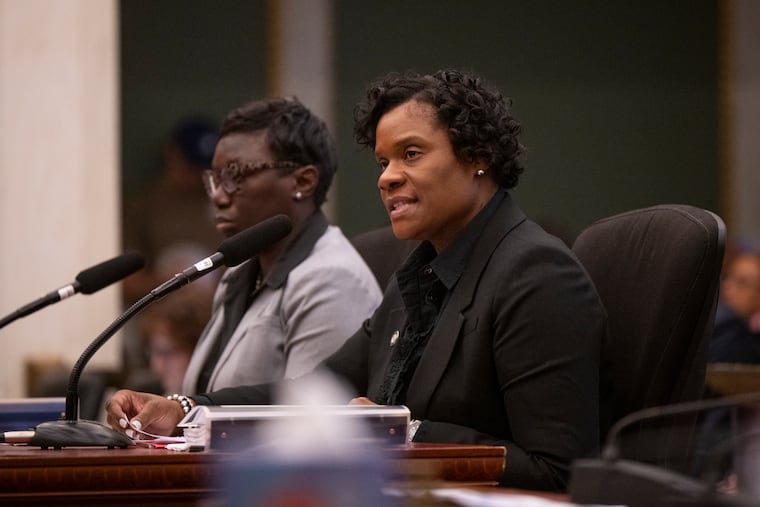
That is why we recently joined advocates in a meeting calling on airport and city officials to share our ideas on how they can take a stand against ICE’s actions at PHL airport. Because ICE is operating without transparency to effectuate detentions on airport grounds, we requested that our local leaders take time to consider how they can use the authority they do have to protect the people who move through their spaces.
Fear is real, but so is our power to protect each other. While we organize for lasting change, here is what neighbors, friends, and families can do right now:
If you or someone in your travel party is at risk of immigration detention, the safest choice may be not to fly. No one should have to make that choice alone. Check in with people who may be weighing a flight, and offer a ride, a seat at your table, or help rethinking plans.
Consult a trusted lawyer before you fly. Risk depends on your individual case, and advice from a well-meaning source is no substitute for a qualified immigration attorney. If you don’t have one, legal aid organizations and immigrant rights groups can often provide referrals. Keep your lawyer’s number accessible and share it with someone you trust.
Ask for accompaniment. If travel is unavoidable, you don’t have to go alone. Community groups and rapid response networks may be able to connect you with trusted volunteers who can accompany you and serve as witnesses.
If you see an arrest, document it safely. Use the SALUTE acronym to jot down details, and add additional identifiers specific to airport arrests, such as terminal location and airline being flown.
Pass along what information you gather to the person’s family or a local rapid response network as soon as possible. After an arrest, a bystander’s details can help a family locate a kidnapped loved one.
None of this replaces policy change, and none of it should be necessary. But until every traveler can fly without fear, we can make sure no one faces a frightening moment alone.
If going home for a holiday can cost someone their freedom, then our national story about belonging rings hollow. Real safety and real gratitude begin when due process belongs to everyone, without exception.
About guest essays
Guest essays, or op-eds, are commentary pieces that present the opinion or perspective of the author. Many are submitted to us by Inquirer readers and writers with insight on the news, but we also solicit op-eds from authors on specific topics. For more information visit our guidelines.