Fixing Philadelphia’s broken child separation policy is the first step to preventing more foster care deaths
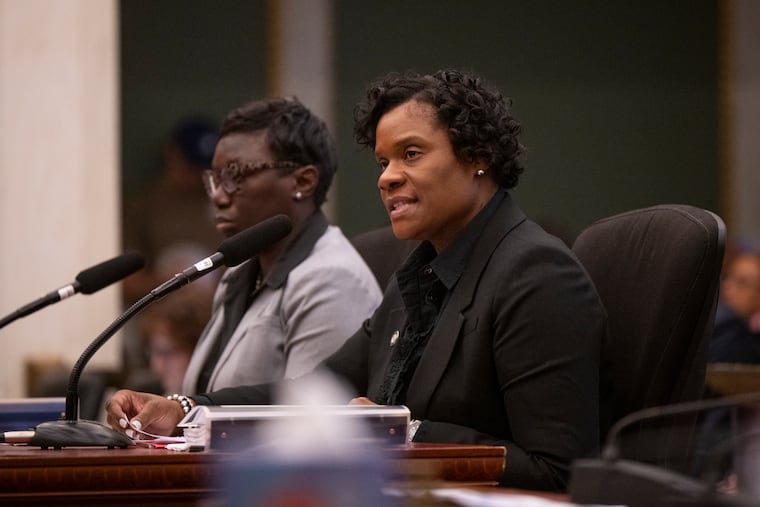
I was on a panel that City Hall asked to review the foster care system in 2022. While the number of children wrongfully taken from their homes has fallen, the rate is still higher than in peer cities.

Richard Wexler is executive director of the National Coalition for Child Protection Reform. He was a member of Philadelphia City Council’s Special Committee on Child Separations from 2020 to 2022.
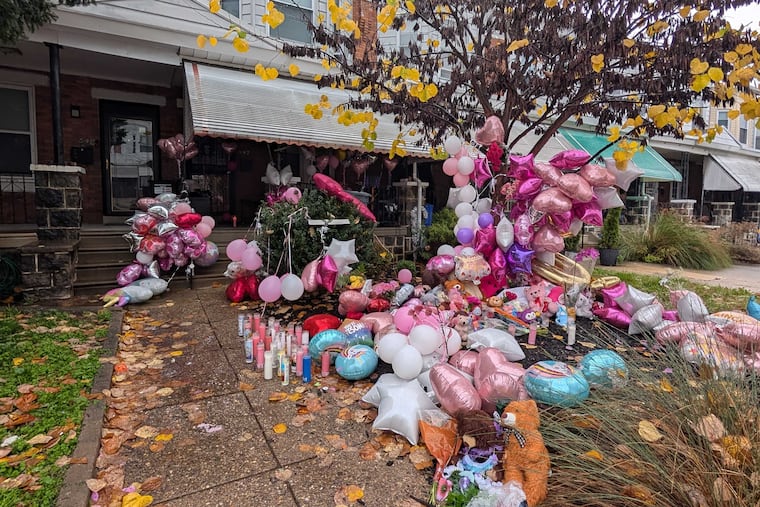
There can’t be too many eyes on a system like child welfare, where decisions can literally be matters of life and death. But even as we wait for hearings and investigations into the horrific death of Malayshia Allford to conclude, there’s plenty we already know.
I served on Philadelphia City Council’s Special Committee on Child Separations. In 2022, we issued a comprehensive report with 31 specific recommendations and one overarching theme: Wrongful removal drives everything else.
The Department of Human Services has made commendable progress in reducing the number of children needlessly taken from their homes. But Philadelphia still takes away children at a rate 50% higher than New York City and well over double the rate in Chicago. And as an Inquirer series pointed out, the rate of removal in Philadelphia — even when rates of poverty are factored in — is far higher than the rate in New Jersey, which rebuilt its system to emphasize safe, proven alternatives to foster care while improving child safety.
Misusing and overusing foster care harms the very children the system is supposed to help. As that Inquirer series pointed out, the real rate of abuse in foster care is far higher than shown in official figures. In Philadelphia, the agencies with which DHS contracts to provide foster care have been “sued nearly 70 times for allowing kids in their care to be killed, assaulted, and injured.” Nationwide, multiple studies find abuse in one-quarter to one-third of family foster homes, and the rate of abuse in group homes and institutions is even worse.
That’s only the start. Study after study finds that, in typical cases, children left in their own homes do better than comparably maltreated children consigned to foster care. One study even found that foster youth were more than four times more likely to die by age 20. All that needless removal overloads workers so they have less time to find children in real danger and less time to check records. It also overloads foster homes, creating an artificial “shortage” that increases the temptation to ignore signs of abuse in foster care.
» READ MORE: Malayshia Allford’s life was treated recklessly. Her death must not be. | Editorial
None of this should be surprising. Of all children taken from their parents in Pennsylvania in 2025, 83% were taken in cases that did not include an allegation of sexual abuse or any form of physical abuse. In 67% of cases, there was not an allegation of any form of drug abuse. Far more common are cases in which family poverty is confused with neglect. Statistics specific to Philadelphia are similar.
But sadly, instead of pressing to curb needless foster care, there seems to be a rush to another answer that is simple, obvious, and wrong: blaming the fact that foster parent Carprice Williams managed to get an allegation that she horribly abused another foster child overturned on appeal.
But as the Allford family lawyer, Nadeem Bezar, points out, this was a case file with more “red flags” than a Soviet May Day parade — including information in a separate database for foster parents and a finding from a fatality and near-fatality review team that Williams never should be allowed to foster another child.
The real problem at the state’s child abuse registry is that thousands of parents who lack the wherewithal to appeal, or don’t even know that they can, wind up blacklisted from the very jobs that could lift them out of poverty. That makes it even more likely that, someday, poverty will be confused with neglect.
As for the high rate at which appeals are successful (as also is the case in other states), that’s not because the state Board of Hearings and Appeals relishes coddling child abusers; it’s because it’s far too easy to be placed on the state’s central registry in the first place: A caseworker simply needs to check a box on a form stating it’s slightly more likely than not that the abuse or “neglect” occurred. No wonder as soon as both sides are heard, the case against many of those few families who reach this level of appeal falls apart.
But it now seems almost inevitable that someone will introduce a bill to make it even harder to fight one’s way out of the registry and to require the retention of unfounded reports because, supposedly, “where there’s smoke, there’s fire.” So that unfounded finding in the record will make it more likely that a caseworker will wrongly believe the next allegation — and take away the child. Something proposed to stop children dying in foster care could well put more children in danger in foster care.
In child welfare, where there’s smoke, there’s usually just smoke, and nobody can see clearly through it. So please, Philadelphia, ignore the smoke and stay laser-focused on the heart of the problem: Wrongful removal drives everything else.
About guest essays
Guest essays, or op-eds, are commentary pieces that present the opinion or perspective of the author. Many are submitted to us by Inquirer readers and writers with insight on the news, but we also solicit op-eds from authors on specific topics. For more information visit our guidelines.