One of the organizers of a sprawling NCAA point-shaving scheme was sentenced to six years in prison
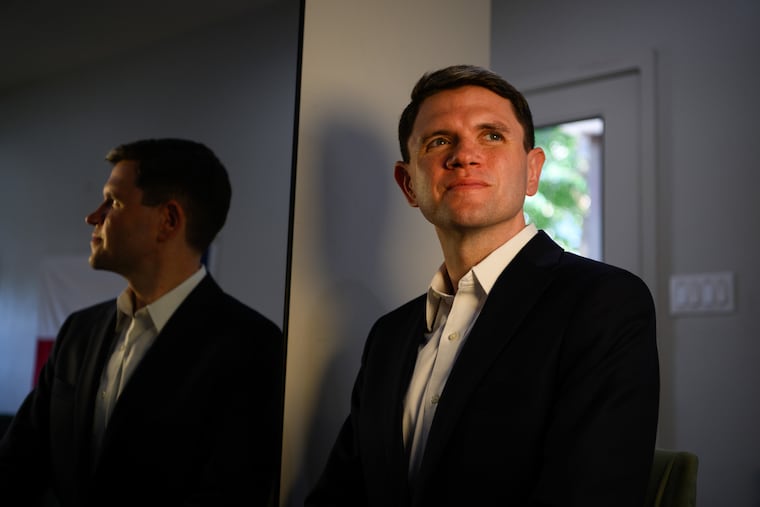
Jalen Smith helped recruit NCAA basketball players to underperform in games so that professional gamblers could place large wagers on the contests.
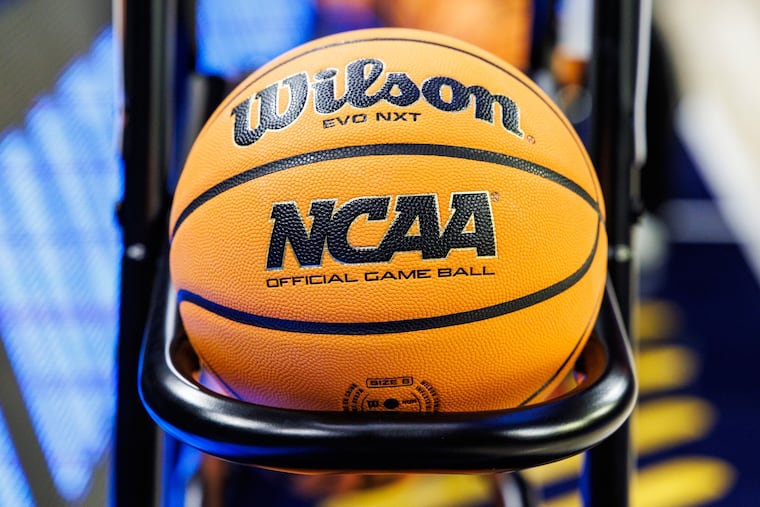
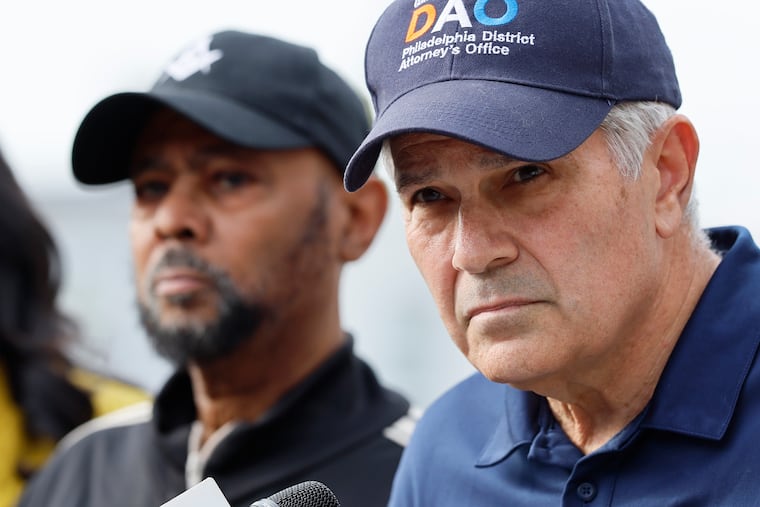
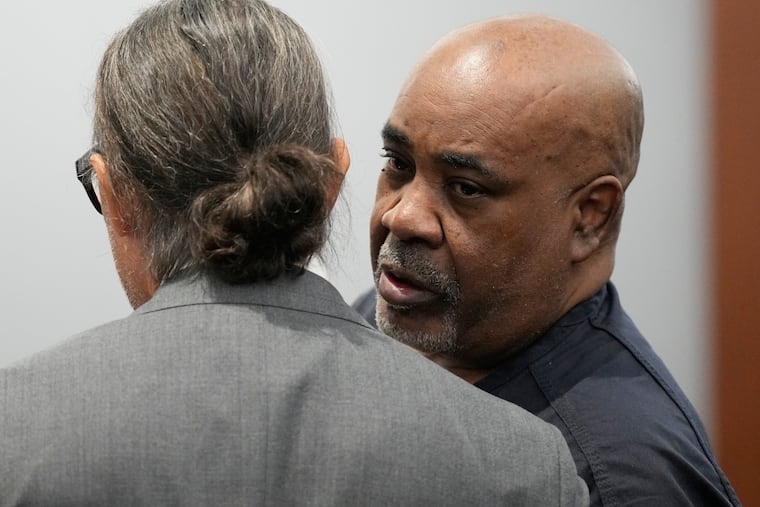
One of the organizers of a scheme to secretly fix college basketball games to benefit professional gamblers was sentenced Tuesday to six years in federal prison — the first penalty imposed in a sprawling scandal that was unveiled in Philadelphia and attracted international attention.
Jalen Smith, 30, of Charlotte, N.C., apologized for his actions during a sentencing hearing before U.S. District Judge Nitza I. Quiñones Alejandro, saying he was drawn to the prospect of easy money, and that he now recognizes his actions were wrong.
“My decisions have consequences,” Smith said, “and I accept all of them.”
Smith, a onetime basketball trainer, pleaded guilty earlier this year to bribery and wire fraud charges for working with other trainers and professional gamblers to recruit NCAA players to underperform in games.
In exchange, prosecutors said, the players were paid bribes — often worth thousands of dollars — while Smith and his co-conspirators placed or coordinated large wagers on the outcomes they expected, such as by betting against players or teams to score a certain number of points.
Smith was one of the scheme’s lead recruiters, prosecutors said, identifying players to participate, paying their bribe money, and delivering instructions and encouragement via text messages and FaceTime calls.
He also pleaded guilty to illegally possessing a handgun that federal authorities found in his house while executing a search warrant related to the gambling case.
Prosecutors said the gambling scheme — which began in the Chinese professional basketball league and expanded to include NCAA contests — affected at least 17 universities and 29 games, and caused gamblers to place more than $3 million in illicit bets.
“This was an extremely serious, far-reaching, massive bribery [and] sports fixing case,” Assistant U.S. Attorney Louis D. Lappen said in court. “I don’t know that we’ve ever seen anything bigger than this anywhere.”
Still, Smith said he didn’t make anywhere near the amount of money his coconspirators did. And his attorney, Rocco Cipparone, said Smith’s windfall over two years totaled around $75,000.
“I was used as a pawn in this scheme,” Smith said in court.
The U.S. Attorney’s Office announced charges against more than two dozen people in January. At the time, the case attracted widespread attention in part because it was one of several federal prosecutions nationwide to target alleged criminality in sports gambling.
Betting on sports — once considered something of a taboo, and previously relegated to shady offshore operations or informal in-person groups — has exploded across the country in recent years, as many states have moved to legalize sports betting or so-called prediction markets.
In this case, prosecutors said, the scheme began in 2022, when a group of “fixers” approached Antonio Blakeney — a former NBA player who went on to star on the Jiangsu Dragons in China — and offered him bribes in exchange for deliberately underperforming in future games.
Smith was not involved in that part of the scheme, prosecutors said. But one of the operation’s masterminds was Shane Hennen, a former Philadelphia resident and well-known sports bettor. And once the scheme showed promise in China, prosecutors said, the leaders decided to try the same tactics in college games.
That’s how Smith became involved, prosecutors said. He used his connections in the basketball world to recruit players — mostly from smaller schools — and kept them engaged with money and texts or calls promising future earnings.
Sometimes that meant sending text messages before or even during games. In 2024, for example, Smith told a player on North Carolina A&T State University that his team needed to lose to Towson University by at least 10 points.
“If it start looking shaky[,] tell 2 or 3 other [teammates] what it is and they paid too,” Smith wrote, according to prosecutors.
More than half of the defendants charged in the scheme have pleaded guilty. Hennen, the former Philadelphia-based bettor who helped launch the operation, is scheduled to do so this week, according to court records.
A trial for the remaining defendants, meanwhile, is scheduled to begin next year.