Top-tier wine is expensive for good reason. Here’s one that’s shockingly affordable.
Why unoaked white wines have a natural price advantage.

In most wine categories, trading up to a luxury brand means a significant jump in cost, with entry-level bottlings from top wineries often approaching $40 to $50 these days. A consistent exception to that rule? Unoaked white wines, and this top-notch New Zealand sauvignon blanc is a perfect example.
Most goods increase in price incrementally from the bargain brands to the top of the line, but wine pricing increases much more steeply. It costs a lot to make better wine at every level, from the purchase price of carefully managed grapes to the tremendous expense of fermenting and aging wines for months or years at a time in pricey barrels. (Unoaked white wines enjoy a natural price advantage by avoiding that last step entirely.)
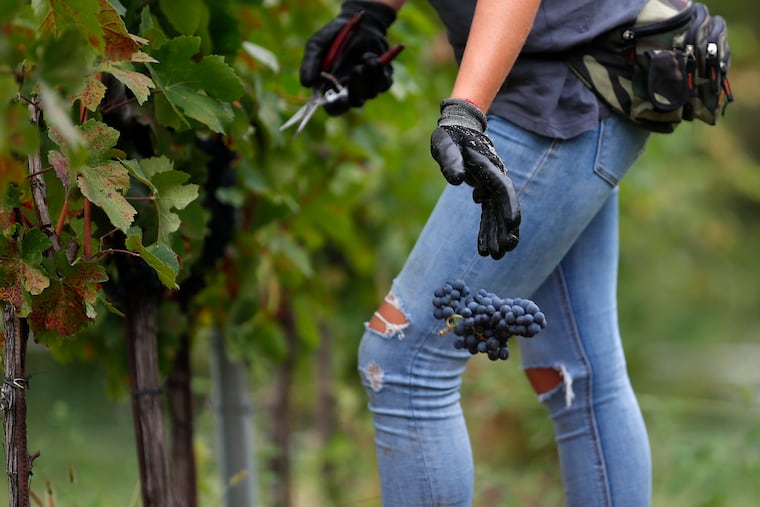
Exacerbating all of those costs, though, is an inherently short supply of any top-tier wine. To make the best wines, vintners deliberately restrict how many pounds of grapes are produced per plant by trimming many grape clusters off the vines well before harvest — a method known as “green harvesting” that concentrates the flavors of the remaining fruit. This dramatically improves wine quality, but also means that there are fewer bottles to sell to cover their higher production costs.
Dog Point was founded by the head winemaker and the lead viticulturalist of Cloudy Bay, one of New Zealand’s top wineries, which already claims some of the Marlborough region’s best vineyard sites. Dog Point’s grapes are organically farmed, and the winery also practices green harvesting (which is rarely applied to white wines). The results are apparent in this bottle, whose flavors are both less green and more complex than those of competing bargain brands, and last much longer on the palate with interwoven tastes of lemon curd, white peach, honeydew melon, and honeycrisp apple. All in all, it’s a wine that tastes a lot fancier than its price tag would suggest.
Dog Point Sauvignon Blanc, Marlborough, New Zealand
12.5% alcohol
PLCB Item #100030776
On sale for $22.99 through Nov. 1 (regularly $24.99)
Also available at: WineWorks in Marlton ($17.98; wineworksonline.com), Total Wine & More in Wilmington and Claymont, Del. ($22.99; totalwine.com), and the Original Canal’s Discount Liquor Outlet in Glassboro ($23.99; canalsofglassboro.com).