FDR sent federal troops to break a racially tense transit strike on this week in Philly history
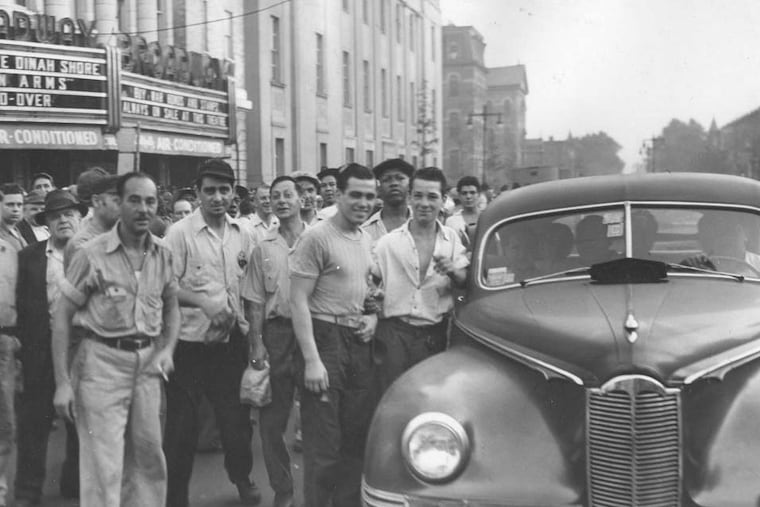
On Aug. 5, 1944, President Franklin D. Roosevelt dispatched about 5,000 troops to Philadelphia to intervene in an ugly transit strike.
So many young Americans who signed up for World War II in 1944 thought they were headed across the Atlantic to help pull European towns away from Adolf Hitler’s grip.
But many GIs, fresh out of basic training at New Jersey’s Fort Dix, instead ended up sleeping in two-man tents in Fairmount Park.
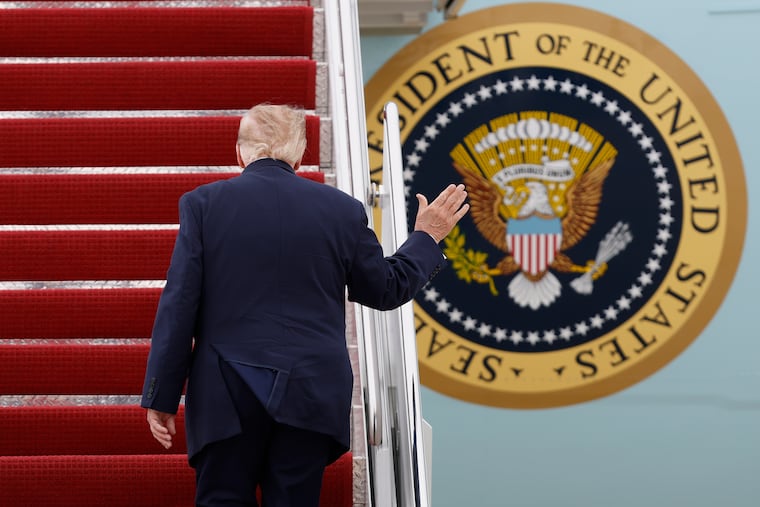
On Aug. 5, 1944, President Franklin D. Roosevelt dispatched about 5,000 U.S. Army troops to Philadelphia to intervene in an ugly transit strike.
When covering a trash strike in July 1978, the Daily News spoke with military members who were sent to the city during the tumultuous six days of the 1944 transit strike.
“I had to work on Diamond Street,” James Denning of Maywood, N.J., recalled to the Daily News. “That was worse than Germany.”
It marked one of the first major federal interventions amid the fight for civil rights.
On Aug. 1, white transit workers with the Philadelphia Transit Co. had gone on strike over the hiring of Black trolley operators.
Black workers were now being given operator jobs, graduating to higher pay and better conditions than in their previous jobs in mechanics and labor.
The Black drivers threatened to leave their posts unless they were guaranteed protection from racially motivated attacks. And the strike itself threatened to slow down the Philadelphia war machine feeding the need for ships, tanks, and uniforms.
The Army took over the transit agency three days into the strike, and on Aug. 5, Roosevelt ordered the troops to break the strike.
The intervention helped lead to the end of the strike after six days, but federal troops remained in the city, riding streetcars 24 hours a day, keeping them moving, and protecting Black transit workers on the rails and on the roads.
Troops withdrew from the city on Aug. 17, and by early September, Black trolley drivers took their rightful places behind the wheel.