Rejecting Trump, South Korean leader says he will not send troops to Iran
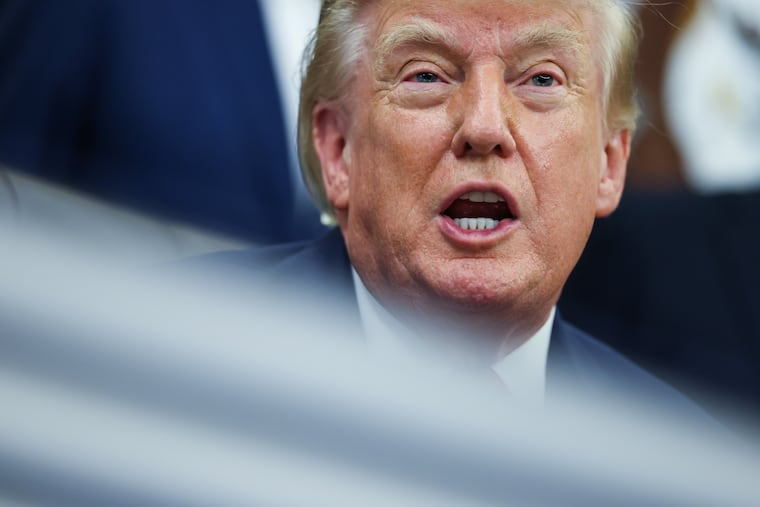
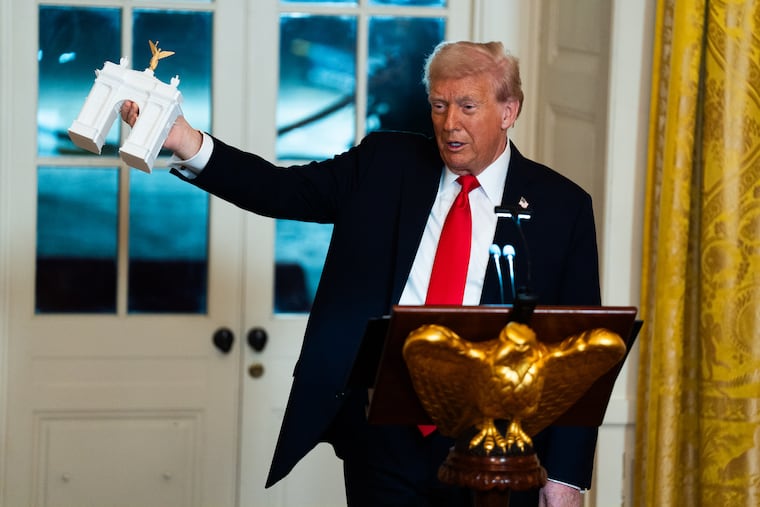
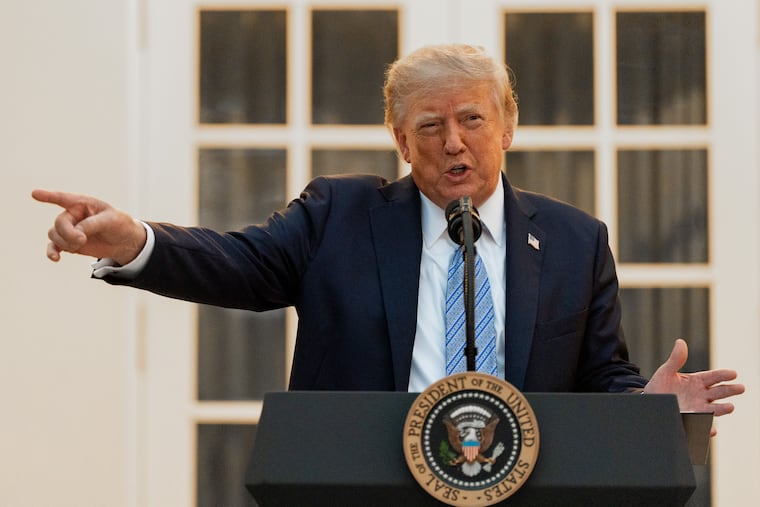
In recent weeks, President Donald Trump has publicly taunted the South Korean president, venting frustration over what he described as Seoul’s refusal to help defend the Strait of Hormuz .
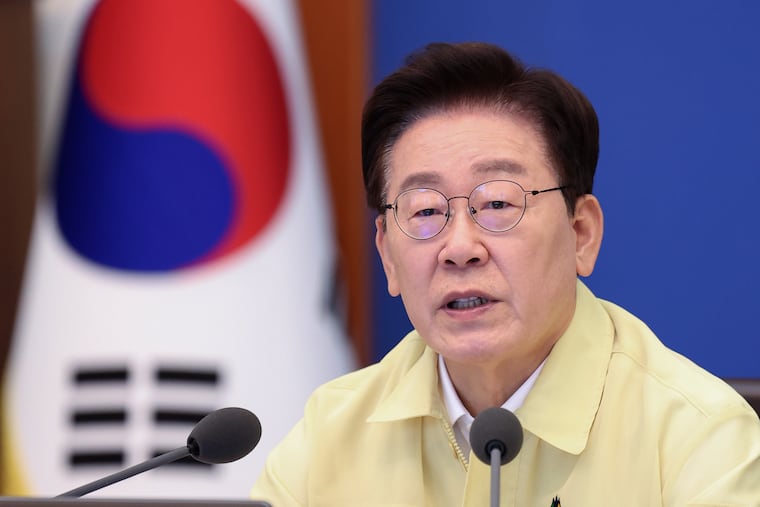
SEOUL, South Korea — President Lee Jae Myung of South Korea pushed back against pressure from the Trump administration Friday, declaring that his country would not deploy troops or military assets to support the U.S.-led war against Iran.
In recent weeks, President Donald Trump has publicly taunted the South Korean leader, venting frustration over what he described as Seoul’s refusal to help defend the Strait of Hormuz — once the world’s main transit point for oil — while American troops remain stationed on the Korean Peninsula to shield South Korea from North Korea. On Friday, Lee firmly rejected any military involvement in the Middle East conflict.
“There will be no deployment of troops or dispatch of military assets to be involved in or intervene in this war,” Lee said in a news conference.
Instead of a combat deployment, Lee noted that Seoul is considering expanding the operational scope of a South Korean navy destroyer and its support ships stationed off the coast of Somalia for antipiracy operations. He emphasized that even if those assets move closer to the Red Sea or the Strait of Hormuz, their sole focus would be protecting South Korean oil tankers and other commercial vessels. They will not participate in any operations that could be interpreted as supporting the war against Iran, he said.
While Trump has not specified the exact type of assistance he expects from Seoul, he complained last month that he had asked Lee “to give us a little hand” in the conflict, reminding him of the U.S. military presence in South Korea.
“He said, ‘No, thanks,’” Trump recalled. “I see. Well, why are we involved in helping you?”
It was not the only issue that a grim-faced Lee addressed Friday. Fifteen months into his single five-year term, his approval rating has fallen to a new low of 37%, battered by troubles brewing not only at home but also by strains with South Korea’s most important ally, the United States.
Last month, Trump unilaterally scaled down one of the United States’ annual joint military exercises with South Korea, calling the drills not only “costly” but also “totally inappropriate and hostile” toward North Korea. He said that, for as long as he had been in office, North Korea had been “unthreatening and respectful.” Trump also boasted of having a “very good relationship” with North Korea’s leader, Kim Jong Un, even as the North has become a bigger nuclear threat against the South.
At home, South Korea’s main stock index — once lauded as a premier beneficiary of the global artificial intelligence boom — has crashed, devastating the portfolios of millions of individual investors who were encouraged by Lee’s government to buy stocks. Lee has also failed to deliver on his repeated pledges to curb rising housing costs.
The opposition has accused him of seeking a constitutional amendment that would allow him to run for a second term, a move explicitly barred by the current constitution. His presidency also remains marred by his suspended criminal trials on charges including violating election laws and inducing perjury. The opposition has claimed that Lee was plotting a special bill to erase those charges, which he has insisted were fabrications orchestrated by his conservative adversary and predecessor, the impeached and ousted former President Yoon Suk Yeol.