Supreme Court lets quick deportations to third countries resume while justices weigh Trump policy
Under a series of often-secret agreements, the Trump administration has deported some 25,000 people to more than two dozen countries.
WASHINGTON — The Supreme Court on Tuesday let President Donald Trump’s administration continue deporting people to countries other than their own for now, while the justices consider whether the policy is legal.
The high court said it will hear arguments on whether migrants must have a meaningful chance to object before being sent to countries where they have no ties.
The order halts an appeals court ruling for now.
Federal attorneys said the lower-court decision forced the cancellation of a deportation flight carrying about 70 people bound for three countries.
The justices previously allowed the deportation flights, a core Trump administration policy, to temporarily continue when the case came before them last year.
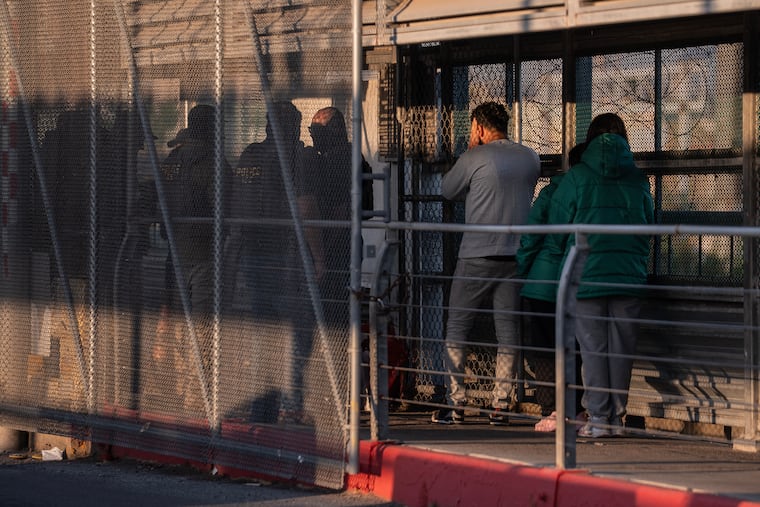
Under a series of often-secret agreements, the Trump administration has deported some 25,000 people to more than two dozen countries, including Liberia and Guyana. The vast majority have been sent to Mexico.
Trump’s Republican administration has said that it sends people with final deportation orders to third countries when they can’t be returned to their homelands or their native countries won’t accept them, including those who have criminal convictions. Those governments provide assurances that people won’t be persecuted or tortured, federal attorneys said.
But some migrants have nevertheless found themselves imprisoned in countries they’d never heard of before their arrivals. Some also face serious safety risks and are left with little choice except to return to the home countries they were fleeing. Many have no criminal convictions and have been found to be at risk of torture or persecution, attorneys for the immigrants said.
The case comes amid a sweeping immigration crackdown by the Trump administration, which has pledged to deport millions of people who are living in the United States illegally.