Lindsay Clancy’s attorney makes public plea for Trump pardon
The president cannot pardon state-level crimes, and Clancy’s case on charges she killed her three children is being tried in state, not federal, court.
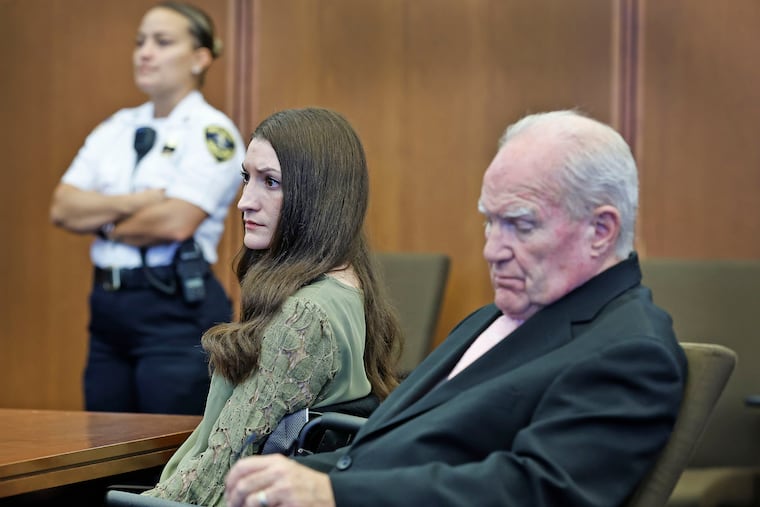
An attorney for Lindsay Clancy, the 36-year-old Massachusetts mother who admitted to killing her three children, said he hopes President Donald Trump would consider a pardon for his client after the high-profile murder case ended in a mistrial last week.
“Mr. President, I would hope that you would consider this young lady, the type of person she is, what she’s been through, and consider a pardon,” Kevin Reddington said Tuesday on Good Morning America.
The president cannot pardon state-level crimes, and Clancy’s case is being tried in state, not federal, court.
Governors can grant clemency for state crimes; under pressure from Trump, Colorado Gov. Jared Polis (D) in May reduced the state prison sentence of former county clerk and election conspiracy theorist Tina Peters, who was convicted for a scheme to copy her county’s election computer system.
Asked about the trial and pardon request, the White House referred the Washington Post to Trump’s comments on Friday in which he described the case as a “horrible tragedy.”
“It’s a terrible situation. Look, she did a horrible, horrible, thing. Can’t be worse,” he said. “But you’ll find out what the price to pay is. There’ll be a price. It’s going to be mental institution or jail or something.”
Reddington also said he hoped he would “be able to work something out that would be acceptable to both sides,” after a mistrial was declared on Friday. Prosecutors have not said whether they will seek another trial.
Clancy’s case captured the public’s attention and became a cultural touch point, putting postpartum mental health issues in the spotlight. She had said she killed her three children by strangling them at home in 2023, and the jury was asked to decide whether she should be held legally responsible for her actions. Reddington had argued that she was suffering from postpartum psychosis at the time, which prosecutors disputed.
The jury was dismissed after failing to reach a unanimous decision after deliberations hit nearly 40 hours following a trial that stretched more than six weeks.