Judge issues new block on Trump’s sweeping restrictions on mail-in voting
The judge’s move continues a week of intense legal action over the controversial executive order on mail-in voting issued by President Donald Trump.
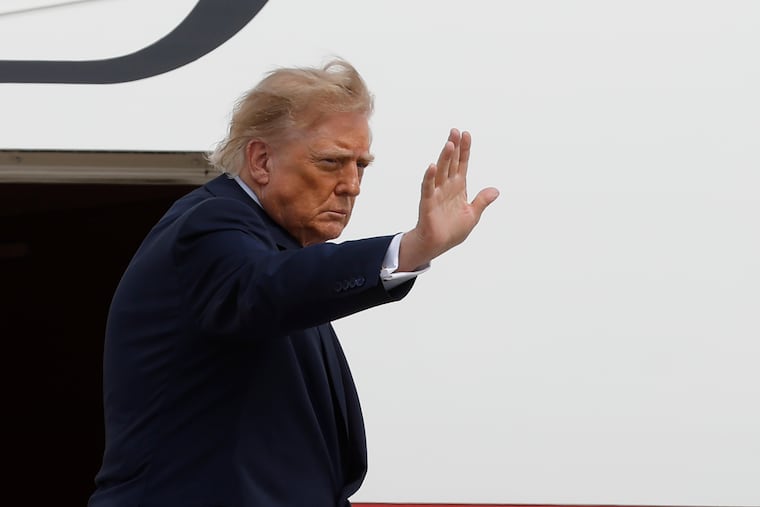
A federal judge in Massachusetts on Thursday once again blocked major pieces of the Trump administration’s plan to impose sweeping restrictions on mail-in voting for November’s elections, but the legal fight will continue.
U.S. District Judge Indira Talwani issued a temporary restraining order halting parts of the effort that would bar the U.S. Postal Service from delivering mail-in ballots to voters not on a list of citizens created by federal agencies. It also requires mail-in ballot envelopes to have bar codes to thwart fraud.
The judge’s move continues a week of intense legal action over the controversial executive order on mail-in voting issued by President Donald Trump. It is the subject of multiple legal challenges.
Trump has claimed voting by noncitizens is rampant, while court records and independent studies have found it to be rare.
Talwani said it would be impossible for many states to issue new envelopes for voting by mail, since some are supposed to send out ballots as early as next week. She also said the Trump administration had presented no evidence that noncitizen voting is a major issue.
The League of Women Voters and other voting rights groups are challenging the administration’s initiative, saying the measure could inject chaos into pivotal races that will decide control of the House and Senate.
Talwani echoed those concerns.
“The USPS’s interest in correcting an unsubstantiated problem through likely unconstitutional means is dwarfed by the overwhelming risk of pervasive disenfranchisement of citizens who need access to mail ballots in order to vote,” Talwani wrote.
The Associated Press reported that the White House plans to appeal the order.
Spokesperson Lauren Bis said in statement Friday that the Trump administration will immediately appeal the order handed down late Thursday.
In a separate challenge to the executive order brought by 23 states and the District of Columbia, the Supreme Court on Monday found the plaintiffs’ lawsuit was premature because the U.S. Postal Service had yet to issue final rules for how the order would be carried out.
After those rules were finalized Wednesday, the states and D.C. filed a new lawsuit challenging the executive order.
The injunction Talwani issued Thursday marked the second time she has blocked the executive order in the case brought by the voting rights groups. She lifted the earlier injunction after finding the Supreme Court’s logic applied to that case as well, but allowed the plaintiffs to ask for a new block.
Ultimately, the issue could end up before the Supreme Court again, but even if the administration prevails it’s unclear whether there is enough time to implement the changes before November.
Many states will begin sending out mail-in ballots by mid-September, and election administrators have said it would be exceedingly difficult to comply with the executive order in time for the fall contests since preparations have been going on for months.