U.N. General Assembly to confront familiar crises, new conflicts and AI
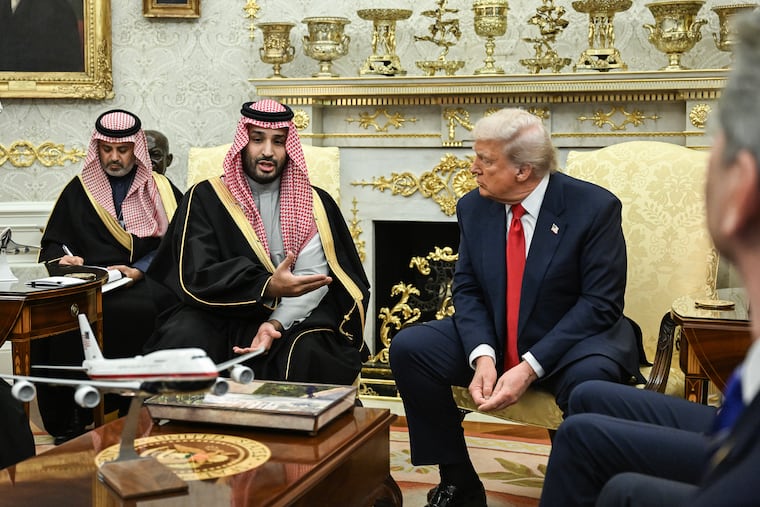
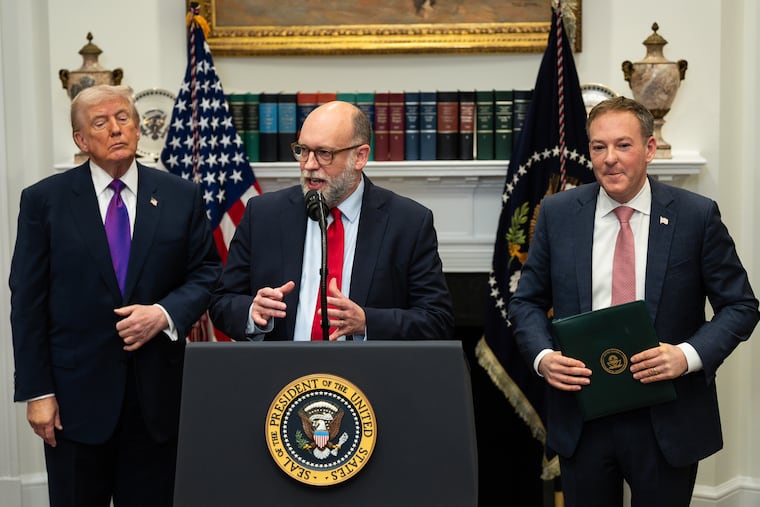
President Donald Trump will address the assembly Tuesday, facing a world rattled by his imposition of tariffs, his open disdain for allies, and the instability resulting from his Iran war.
World leaders converge in New York this week for the United Nations General Assembly with the Middle East in turmoil, war raging between Russia and Ukraine, old alliances in peril, energy prices rising, and scientists warning that artificial intelligence could imperil humanity.
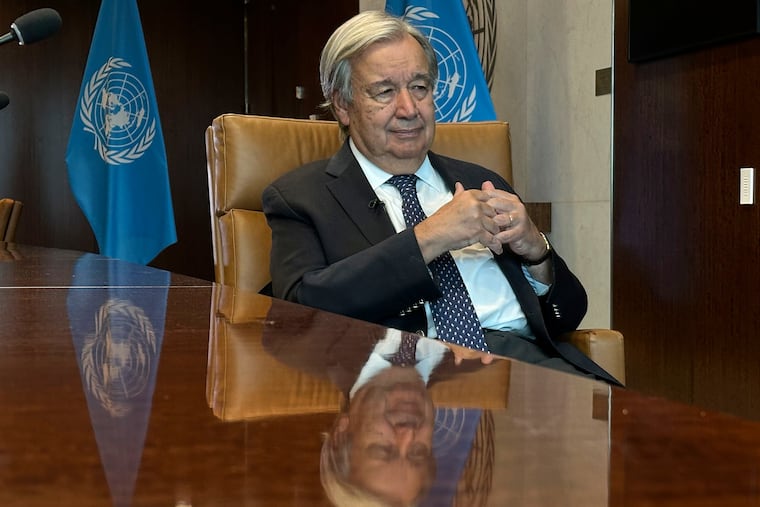
“It would be hard to imagine a scenario as threatening as the one we’re facing right now,” acknowledged António Guterres, who has served two terms as the U.N. secretary-general since 2017 and will step down at the end of December.
The U.S.-Israeli war with Iran and its reverberations on the world economy and oil supplies will be a major topic. And Ukrainian President Volodymyr Zelensky is expected to implore world leaders not to forget his country.
But for the first time at the world body, the threat posed by artificial intelligence has jumped to the top of the agenda. U.N. leaders plan to seek global cooperation for guardrails around the rapidly advancing technology.
Against the backdrop of these challenges, the U.N. is searching for its next leader, who will take the helm in January. Seven candidates are in the running after Michelle Bachelet, former Chilean president and ex-high commissioner of the U.N.’s Human Rights Council, dropped out. But so far no clear front-runner has emerged, diplomats said, because the U.N. Security Council, the body responsible for selecting the secretary-general, has not reached a consensus.
Guterres will deliver his final address to the General Assembly on Tuesday, and he is expected to close his tenure by urging world leaders to defend international law, protect human rights, invest in sustainable development, and push for peace.
“At a time when the world faces three existential threats — runaway artificial intelligence, the climate crisis, and the intolerable deepening of inequalities — international cooperation is more necessary than ever,” Guterres said at a recent news conference.
He said that when he took charge of the institution years ago no one could have predicted that the world would be as it is today, roiled by conflicts and facing a multitude of crises like climate change and the seemingly unrestrained growth of artificial intelligence.
The U.N. has defined the theme of this year’s gathering as “Restoring Trust, Managing Transformations: A United Nations That Delivers for All.” Trust and transformation have been among the biggest challenges for the U.N. as it has faced questions of relevance from donors and the public, experienced severe funding cutbacks from the Trump administration and made efforts to streamline its operations. At the same time, its 15-member Security Council stands paralyzed by divisions among its five permanent members with veto-holding powers.
Still, while the organization said in January that it was facing imminent financial collapse and would run out of money by the summer if member states — namely the United States, its top donor — didn’t pay their annual dues, it has survived.
Last week, the United States paid $725 million to the U.N. as part of its dues for the regular budget and $102 million for peacekeeping, but it still owes $1.3 billion in annual dues, said Farhan Haq, a U.N. spokesperson.
Many U.N. staff members and diplomats had expressed anxiety that President Donald Trump could withdraw from the organization altogether, given his exit from U.N. agencies such as the World Health Program and the defunding of some programs as part of a policy to cut foreign aid significantly. Analysts said last year that the U.N. was in a “free fall” as it observed its 80th anniversary.
But those fears have not materialized. Analysts said that while the U.N. was still facing a crisis, the United States had remained engaged, albeit seeking to change and bend the institution to the administration’s vision.
Richard Gowan, a U.N. expert at the International Crisis Group, said of the United Nations, “It is still standing, and if you compare the U.N. to some of the really bad periods during the Cold War, it’s still actually far more active than it was in its darkest hours.”
He added, “But every single year it’s a little bit less relevant; it’s a little bit more under restraint.”
Trump is set to speak to the General Assembly on Tuesday morning, the first day of the gathering. Last year, he lectured the United Nations and other countries about how they were failing and aired a list of grievances.
“Your countries are going to hell,” he said.
This year, he will be facing a world rattled by his imposition of tariffs, his open disdain for allies, and the instability resulting from his war against Iran.
The biggest hurdle for the U.N. in resolving conflicts in the past few years has been the geopolitical divisions among the five permanent powers of the Security Council: the United States, Russia, China, France, and Britain. The council, which is in charge of preventing global conflict and safeguarding stability, has been frozen over the wars in Ukraine, the Gaza Strip, and Iran because action has been blocked by permanent members with stakes in the fighting.
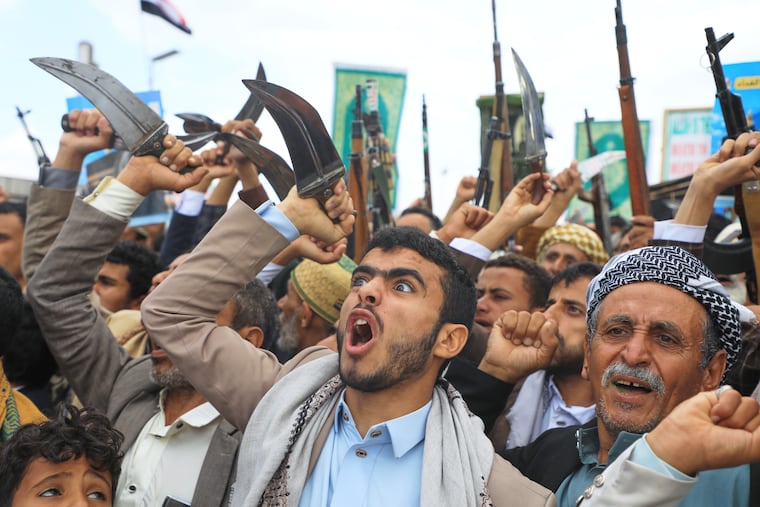
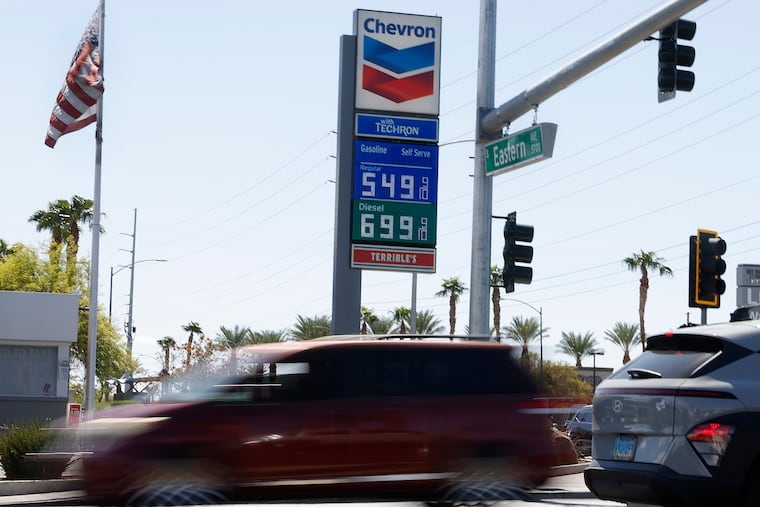
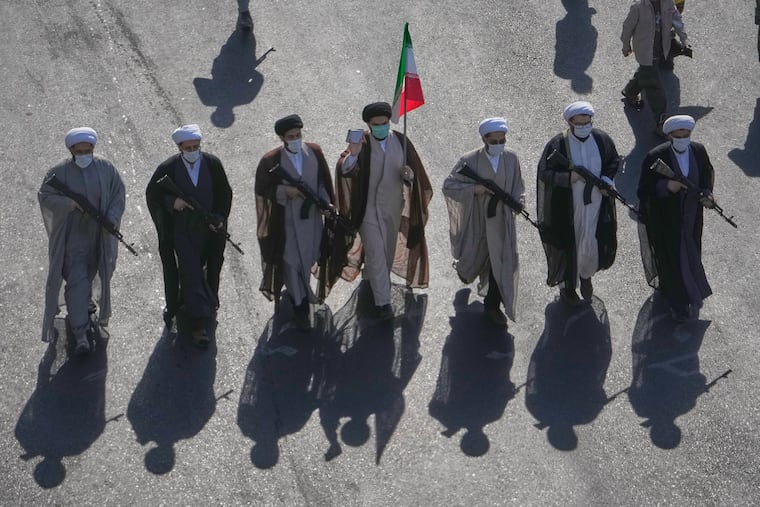
The Ukraine war is more than 4 years old, the conflicts in Sudan over 3 years old, the one in Gaza closing in on 3 years old, and the United States’ war with Iran nearing its seventh month. The conflict in Iran has sent energy and oil prices soaring and has upended supply chains that rely on shipping in the Strait of Hormuz. The Houthis in Yemen and Saudi Arabia have intensified fighting in the past few weeks with another critical waterway, the Bab el-Mandeb Strait, in the Indian Ocean, under threat.
“There is clearly a vacuum here in terms of dealing with these growing number of wars we have and other crises,” said Robert A. Wood, a U.S. ambassador to the U.N. during the Biden administration. “It is critical that we get a next secretary-general who has experience, and Rolodex, and kind of energy and background in managing, not only dealing with great powers, but in dealing with major international crises.”
Among the speeches by leaders that will be watched closely will be the ones by Iranian President Masoud Pezeshkian; Zelensky; and Venezuela’s leader, Delcy Rodríguez, who will be making her debut on the world stage after the United States captured her predecessor, Nicolás Maduro. Others of note will be by leaders of the Arab countries in the Persian Gulf; Israeli Prime Minister Benjamin Netanyahu; and Palestinian leader Mahmoud Abbas, who will address the assembly virtually for a second year because the United States denied visas to the Palestinian delegation.
This year, discussion of a possible two-state solution for Israel and Palestinians is expected to be more low-key than in the past, with France, Britain, Canada, and Saudi Arabia hosting a session Thursday on the sidelines of the General Assembly meeting.
A notable number of world leaders will be absent from the General Assembly. Xi Jinping of China is traveling to Washington to see Trump on Thursday, and the meeting is expected to overshadow the speeches at the assembly in New York.
The leaders of two nations from the so-called global south — India’s prime minister, Narendra Modi, and South Africa’s president, Cyril Ramaphosa — will also not attend.
The Security Council will hold a session on Ukraine, as it has done for the past four years during the General Assembly meeting, and this year it has drawn new criticism that European members of the council have ignored other pressing conflicts every year to keep the spotlight on Ukraine during the high-level week.
Despite their global repercussions, Iran and the conflict in the Persian Gulf are not on the council’s public agenda this week. Arab countries in the Gulf are expected to hold a closed-door meeting with council members and Trump on the sidelines, diplomats said.
The council will discuss AI and the threats it poses to global security and stability. Guterres was also set to host a side event Monday to urge countries to create global regulations for the technology, and a private, invitation-only event at the U.N. that brings together heads of states and leaders of AI to debate how to govern the field.
But a clash of opinions and visions is expected.
The United States, China, and Russia have indicated that they oppose external rules on their own development of AI technology, and Trump recently denounced such efforts as a “sick conspiracy.”
Guterres said the world cannot “afford a race to the bottom on AI safety.” He added, “We need guardrails to build trust, and that make AI safe, transparent, accountable, with human dignity at the center.”
This article originally appeared in the New York Times.