A new Trump administration rule could cut SNAP benefits for 52,000 Philadelphians
The proposed rule, quietly introduced after the midterms, would limit federal food assistance for people who have saved money or make more than 130% of the federal poverty line.
One week after an election in which Americans indicated they blamed Republicans for the high cost of living, President Donald Trump’s administration quietly proposed a federal regulation that would make getting food harder for millions of low-income Americans.
The new rule would remove Supplemental Nutrition Assistance Program (SNAP) benefits from 17% of recipients, or 6.5 million people nationwide. In Pennsylvania, 310,000 people — 52,000 of them Philadelphians — would lose benefits totaling more than than $21 million, according to the state Department of Human Services.
The Trump administration’s proposed new rule could cause more individuals to lose SNAP benefits in the future.
It would also penalize low-income people who’ve saved money. Most recipients would no longer qualify for their benefits if they have saved $3,000 or more. The limit would be $4,800 for seniors on the program.
“We had no idea this was going to happen,” said Lydia Gottesfeld, an attorney and SNAP expert at Community Legal Services in Philadelphia. “If folks are limited in what they can save, they can be trapped in poverty.”
The proposed limit on assets sends the wrong message, said Ann Sanders, director of public benefits policy and programs at Just Harvest, an anti-hunger nonprofit in Pittsburgh.
“You’d think the administration would want to reward people for having worked and saved money, not take away SNAP benefits because someone thinks they’ve saved too much,” she said.
The rule would also make processing applications more difficult and expensive for states, a costly bureaucratic burden that could lead to increased numbers of people being taken off SNAP rolls. It comes as Pennsylvania and other states already are adjusting to the Trump administration increasing states’ share of administrative costs for the program.
“The Shapiro administration strongly opposes this cruel proposal,” said Brandon Cwalina, a spokesperson for Pennsylvania’s Department of Human Services.
The proposed rule change would also remove states’ ability to raise the income threshold for SNAP to 200% of the federal poverty line — roughly $55,000 a year for a family of three. And it would place a hard cap at 130% — roughly $35,000 for a family of three — to qualify.
Cwalina noted the new changes come at “a time when people are already facing rising costs driven by the Trump administration’s policies and [previously ordered] changes to SNAP.”
The proposal was published on the Federal Register on Nov. 10 with 30 days for public comment.
The timing — just a week after the midterm election’s massive blue wave — shows the administration is out of touch with voters’ concerns, said U.S. Rep. Brendan Boyle, the Philadelphia Democrat who will be House Budget Committee chair in the new Congress.
“This month’s historic election results show that Pennsylvania families want us to fight back against these reckless policies,” Boyle said in a statement.
The changes to the SNAP program are being recommended after the administration has already cut benefits from 5 million people nationwide since Trump’s One Big Beautiful Bill Act was signed into law in July 2025. Nearly 239,000 people in Pennsylvania — 36,000 in Philadelphia alone — lost SNAP assistance.
The new rule, which would go into effect in 2029, is part of the Trump administration’s broader effort to push much of the cost of SNAP from the federal government onto the states, advocates for individuals who live in poverty say.
“It does nothing to reduce hunger,” according to the Food Research & Action Center (FRAC), an anti-hunger lobby in Washington, D.C.
Last month, states began paying 75% of the administrative expenses of SNAP, ending a long-term, 50-50 cost-sharing relationship with the federal government.
By next October, when the Trump administration’s unprecedented demand that states pay for a portion of SNAP benefits kicks in, Pennsylvania could be on the hook for as much as $400 million a year — an amount officials said is unaffordable.
“Making it difficult for Americans to hold onto SNAP may be the mission of this administration,” said Gabriella McLoughlin, professor of social and behavioral sciences in Temple University’s College of Public Health. “Things are stacking up to be really damaging to food security. We’ll see thousands of Philadelphians suffer.”
Trump tried to create a similar rule during his first term in 2019. The proposal garnered 158,000 opposing comments in the Federal Register, and a Mathematica analysis at the time showed that nearly 2 million people would lose SNAP benefits if the rule were to go into effect. Then COVID-19 hit in March 2020, and the administration ran out of time to enact it before Trump was voted out of office.
After former President Joe Biden took office in 2021, the U.S. Department of Agriculture, which oversees SNAP, determined that the proposed rule wasn’t justified based on the the high volume of negative comments and the significant number of people who’d lose benefits.
Before Trump was reelected, the proposal was revived in Project 2025, a conservative policy blueprint that the Trump administration has followed to shrink spending on social programs.
The White House defended its plans, saying that SNAP is rife with waste, fraud, and abuse, and that the new rule would save $45 billion.
“Rather than throwing money at a broken system, the Trump administration will continue to stop fraudsters stealing from these important programs, as well as take effective, cost-saving steps to make life more affordable for all Americans,” White House spokesperson Allison Schuster said in a statement.
Through the proposed rule change, the Trump administration would restrict a decades old, congressionally approved policy called “broad-based categorical eligibility.”
The policy allows families to enroll in SNAP if they already receive help from other anti-poverty programs, such as non-cash benefits from Temporary Assistance for Needy Families (TANF). It reduces bureaucratic red tape, meaning families in need of benefits receive a streamlined application process, and get help quickly, according to No Kid Hungry, which combats child hunger.
There would be other ripple effects, too.
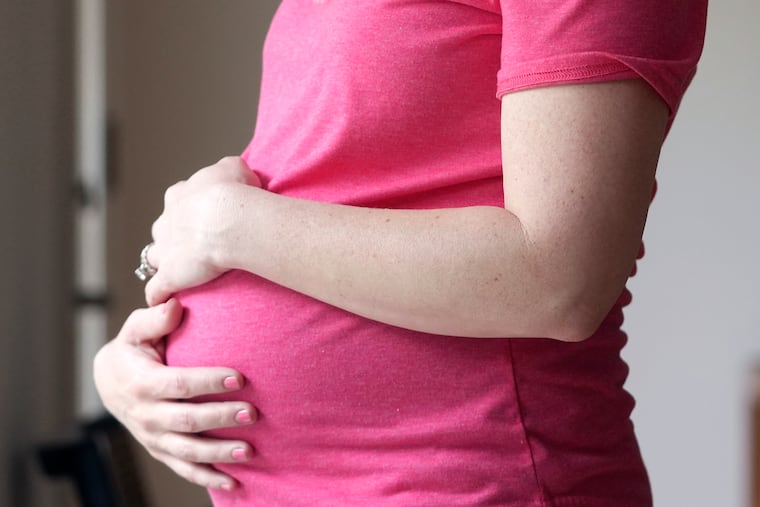
Currently, women who’ve been approved for SNAP can more easily receive benefits from the Special Supplemental Nutrition Program for Women, Infants, and Children (WIC) without having to formally apply. But if the Trump administration rule goes through, women will have to sign up separately, risking denial of eligibility and losing benefits, advocates say.
“The administration is willfully tearing SNAP apart, bit by bit,” said Sanders of Just Harvest.
“SNAP is the nation’s most effective anti-poverty program, reducing hunger and improving health. But it seems the administration believes government shouldn’t be doing this.”
U.S. Sen. John Fetterman, a Pennsylvania Democrat who sometimes votes with Trump, joined other Democrats on the Senate Agriculture Committee in opposing the proposal.
“Children should not go hungry, seniors should not have to spend down their savings to afford groceries, and working families should not lose assistance while they are still struggling to make ends meet,” Fetterman and other senators said in a letter.