Mixed results in auto sales; Chrysler on top
Both General Motors Co. and Ford Motor Co. said Friday that their U.S. sales last month rose 10 percent from June 2010, but both missed the average analyst estimates.
Both General Motors Co. and Ford Motor Co. said Friday that their U.S. sales last month rose 10 percent from June 2010, but both missed the average analyst estimates.
Toyota Motor Corp. and Honda Motor Co. deliveries each fell 21 percent, more than analysts estimated. Nissan Motor Co. recorded an 11 percent gain, less than projected. Only Chrysler Group L.L.C. sales topped forecasts, with a 30 percent increase from June 2010.
The result for the U.S. auto industry was that sales in June ran at the slowest pace in 12 months, as the supply of small cars dwindled and consumers deferred purchases amid a slowing economic recovery.
Analysts had expected Ford to post a 12 percent increase in sales in June. GM's gain was forecast at 18 percent.
Industrywide, light-vehicle sales slowed to an 11.5 million seasonally adjusted annual rate, trailing the 12 million average analyst estimate. Small-car purchases are being lost due to supply constraints hurting all automakers.
U.S. total light-vehicle sales fell 7.1 percent in June from a year earlier, the researcher Autodata Corp. said in an e-mailed statement. Contributing to the slide was the March 11 earthquake and tsunami in Japan, which limited production and led to depleted vehicle inventories for Toyota and Honda.
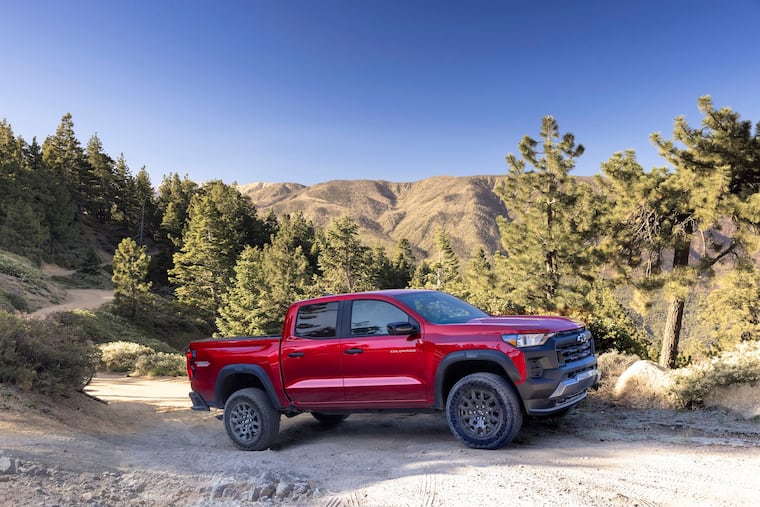
Deliveries of GM's Chevrolet Silverado and Ford F-series pickups rose less than those of fuel-efficient cars such as the Chevrolet Cruze and Ford Focus after gasoline prices rose above $3.50 a gallon. The national average topped out at $3.98 a gallon on May 13 before declining as crude oil fell. The national average on Friday for gasoline was $3.55, according to AAA.
"A lot of full-size-pickup buyers in particular, when there was volatility and uncertainty around fuel prices, were sitting out of the market," Don Johnson, GM's vice president of U.S. sales, said on a conference call. "We expect them to come back into the market as the economy slowly recovers."
The industry's slowdown since April is "dissimilar to 2008, when people were just sitting out of the market indefinitely," said Jessica Caldwell, an Edmunds.com analyst in Santa Monica, Calif. "People that are going to buy have made a short-term delay instead of a long-term delay."