The first national AI election is coming | Expert Opinion
Artificial intelligence is powering growth in the U.S. economy, but that mostly benefits large corporations and the wealthy, economist Mark Zandi writes.
There is a widening gap between the economic fortunes of those enjoying the benefits of the artificial intelligence boom — mostly large corporations and the well-to-do — and everyone else. It is a significant reason why many Americans feel left behind.
If the polls are to be believed, voters in the midterm elections Nov. 3 will take it out on the Republican Party, which has controlled the White House and Congress for nearly two years.
AI is powering the economy’s growth. Most obvious is the massive AI infrastructure build-out, including the explosion in data center construction, electric power capacity, and the servers and other electronics that go into the centers. The tech giants and other AI-related companies have seen their stock prices soar, with total shareholder wealth doubling in the nearly four years since ChatGPT was unveiled and the AI boom began.
The well-to-do who own most of these stocks are much wealthier and, not surprisingly, spending more. Over the past three years, spending by the top 20% of earners has grown close to 4% per year after inflation, compared with next to nothing for everyone else. And since much of the AI equipment and many consumer goods are imported, economies around the world are enjoying an AI lift.
» READ MORE: Human reporters explain why AI data centers are so controversial in the Philly suburbs and beyond
If you are fortunate enough to be in the AI economy, it is indeed booming. AI is generating jobs in the construction trades, the power industry, chips and other electronic equipment, and at financial institutions providing the capital needed to finance the AI build-out. Employment in the hospitality, retail, and transportation industries is also benefiting from spending by the well-to-do.
Meanwhile, much of the non-AI economy is struggling.
Hiring is moribund as companies gauge how to use AI to replace jobs. This is especially hard on young people entering the workforce and those in the professional and business services, information, and educational services industries, where AI already appears to be substituting for workers.
AI investment is also crowding out other investment, as AI demand for credit is helping to drive up interest rates, making borrowing uneconomical for other companies.
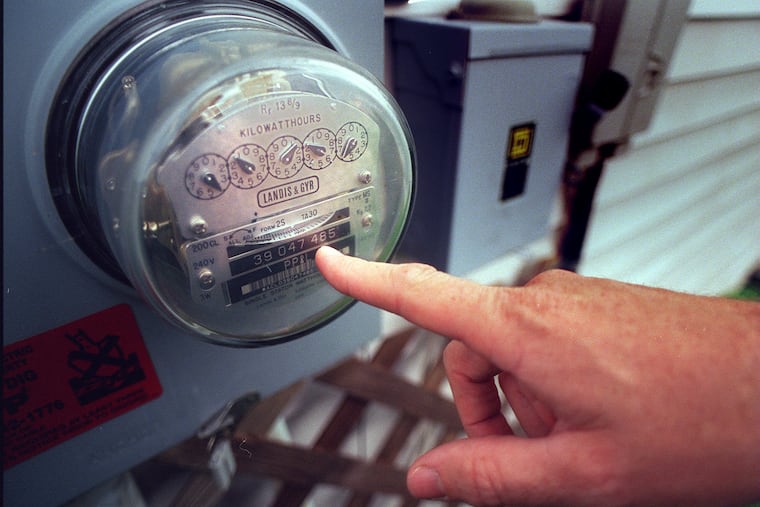
Adding insult to injury, booming AI demand is driving up electricity costs. Here in Pennsylvania, the price to ensure our regional grid has enough power is more than 10 times what it was two years ago, mainly because of data centers, and that is showing up in our electric bills.
And with chipmakers catering to AI, memory chips used in iPhones, laptops, and other electronics are in short supply, pushing up prices for these items.
The high cost of living is tough to bear for those in the non-AI economy, and AI is adding to the burden.
Americans living in the non-AI economy are also being hit hard by the higher inflation and interest rates caused by the Iran war, higher tariffs, and heavy-handed immigration policy. The war is why we are paying well over $4 per gallon for regular unleaded, tariffs are partly behind the higher grocery prices, and immigration policy is pushing up the cost of childcare, elder care, and a range of other services.
All this, along with AI-fueled inflation, contributed to the Fed’s decision to raise interest rates in September and pushed fixed mortgage rates well above 7%. The housing market is reeling as a result, putting renewed pressure on the value of homes, the biggest asset most Americans in the non-AI economy own.
This brings us back to the midterm elections. The economy is at the top of voters’ minds in the campaign’s final days. Judging by the political polling and consumer sentiment surveys, voters are overwhelmingly down on the economy. In the more than 50 years the University of Michigan has surveyed consumers, sentiment has rarely been lower.
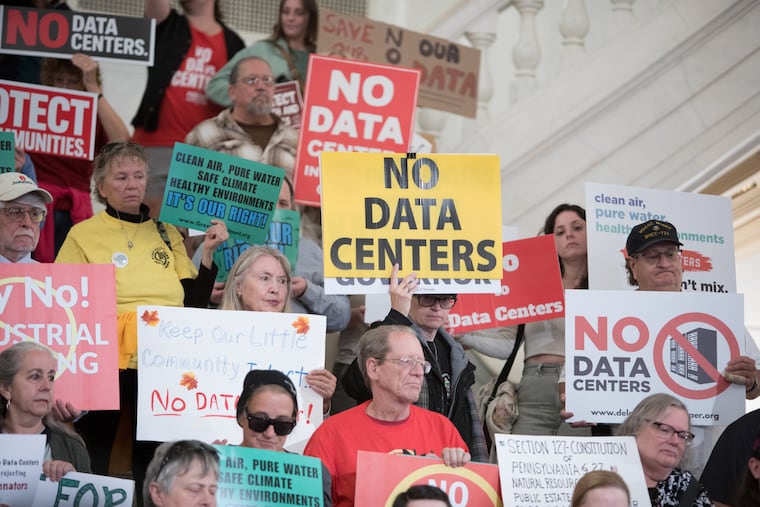
AI is front and center in the election when it comes to data centers. Seven in 10 Americans don’t want one in their proverbial backyard, according to Gallup. This is about the cost of electricity, but also about water, noise, generator exhaust, and a loss of control, as much of the data center development has been done without consulting the people affected. Proposals for massive data centers in King of Prussia and Plymouth Township have run into growing local opposition.
Voters also have AI concerns that are less tangible, ranging from job displacement to more cyberattacks, worsening problems created by social media, and even terrorism and the threat of human extinction.
This is the first national election in which AI is playing a starring role, but it surely won’t be the last. And unless the benefits of the AI boom reach well beyond large corporations and the well-to-do, voters will keep taking it out on whichever party is in power.