SEPTA’s real-time tracking tools are back online after being down due to a global cybersecurity concern
PHP, a programming language that runs on 70% of websites, had a vulnerability that needed patching.
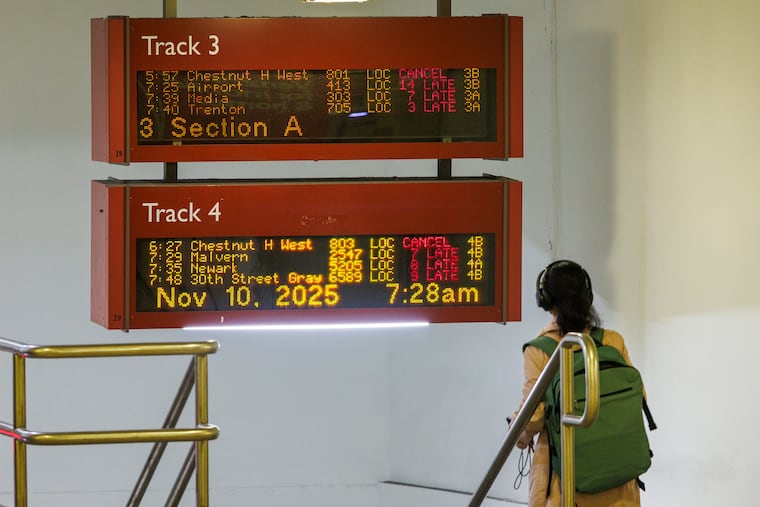
SEPTA’s real-time tracking tool is back online Thursday morning after being disabled due to a global cybersecurity concern.
The real-time tracking tool, which doesn’t house sensitive information but was disabled out of precaution, uses an open-source programming language called PHP that runs on 70% of websites.
On Wednesday, the developers behind PHP said they identified a vulnerability in its code that could give hackers remote access to websites and other online tools. The organization advised all websites that utilize the PHP language to update to the latest versions of the software.
The PHP vulnerabilities, known as “php2shell,” provide remote access to websites, where hackers can place malicious code on computers or a network, according to the Cybersecurity and Infrastructure Security Agency.
This led to a global scramble on Wednesday where government websites and other prominent online tools went offline in order to complete these security updates.
SEPTA took its real-time tracking tool offline at 1 p.m. Wednesday to allow for updates and patches to PHP in their systems, said SEPTA spokesperson Joe Leonard. These tools provide travel information and alerts through the SEPTA mobile phone app, social media, and SEPTA’s website. Leonard said that by 6 a.m. Thursday morning, real-time tracking was brought back online.
“We’re kind of part of just part of a larger global story,” Leonard said.