Delta's Delco refinery posts loss
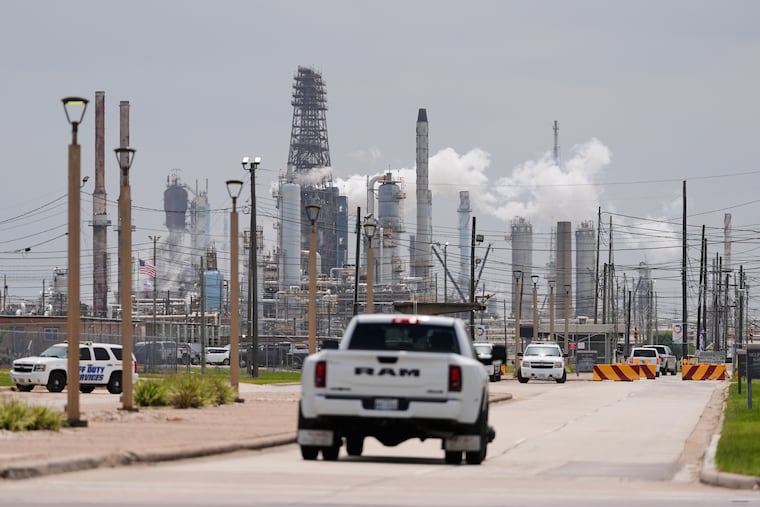
After seven consecutive quarters of profitability, Delta Air Lines' refinery in Trainer, Delaware County, posted a $28 million loss in the first quarter of this year.
After seven consecutive quarters of profitability, Delta Air Lines' refinery in Trainer, Delaware County, posted a $28 million loss in the first quarter of this year.
Delta did not detail on a conference call with investors Thursday why the refinery lost money, after reporting an $8 million profit in the last three months of 2015 and a $106 million profit in the third quarter last year.
Oil analyst Ben Brockwell at the Oil Price Information Service, who follows the aviation industry, said Trainer went "from black to red" for a couple of reasons:
Higher costs for production ingredients and lower returns on the gasoline and diesel products the refinery produces and trades in exchange for jet fuel.
"Delta's refinery crude feedstock costs have been hurt by U.S. domestic crude prices losing the price advantage of imported foreign crude," Brockwell said.
Delta signed a five-year deal in July 2014 to buy 65,000 barrels a day of U.S. domestic crude, which at the time was much cheaper than offshore imported crude, he said.
"Starting in the second half of last year," domestic crude from the Midwest "lost its advantage relative to imported crude because of logistics: getting the stuff to the East Coast, the issues with transportation, insurance, spills," Brockwell said.
Refining profit margins - known as crack spreads - have been hurt because crude oil prices have gone up.
"There's a lot of diesel on the market. There's a lot of jet fuel on the market, and so finished-product prices have trailed the cost of crude oil in the market place," Brockwell said. "That's not just Delta. That's other refineries, too. The difference is Delta doesn't have the flexibility that other refiners may have in terms of where they can buy the cheapest crude. Delta obligated itself to buy 65,000 barrels a day of domestic crude back in 2014. So that's an inflexible cost to them."
Delta's chief financial officer, Paul Jacobson, alluded to the narrowing crack spreads, or profit margins, on Thursday's call with investors.
"While lower crack spreads are a headwind for the refinery, they're obviously a significant net benefit for Delta as a whole," Jacobson said, referring to the refinery's loss.
Delta previously downplayed the refinery losses in 2012, 2013, and the first quarter of 2014, saying that buying the idled ConocoPhillips refinery in 2012 for $150 million as a source of discounted jet fuel had helped Delta better manage its fuel costs.
Delta, the first U.S. airline to report earnings for the latest quarter, said Thursday that its overall profit rose 27 percent, to $946 million, in the three months ended March 31.
Delta said its total fuel expense declined by $1.5 billion in the quarter, compared with the same period last year, on 40 percent lower market fuel prices.
215-854-2831
@LoydLinda