Fast-food-worker civil disobedience?
A major job action slated for tomorrow in Philly and around the nation seeks to escalate the drive for a $15 wage.
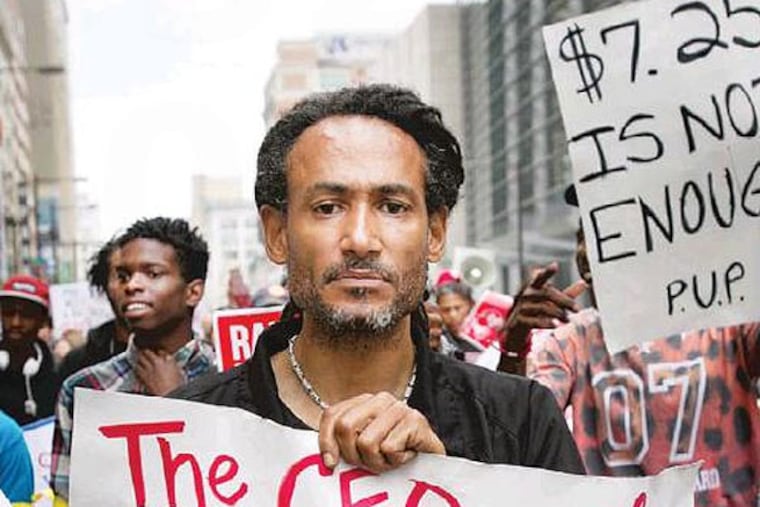
IN THE SPIRIT of a 1970s Burger King commercial, low-paid fast-food workers in Philadelphia - and around the nation - say they're more determined than ever to have it their way.
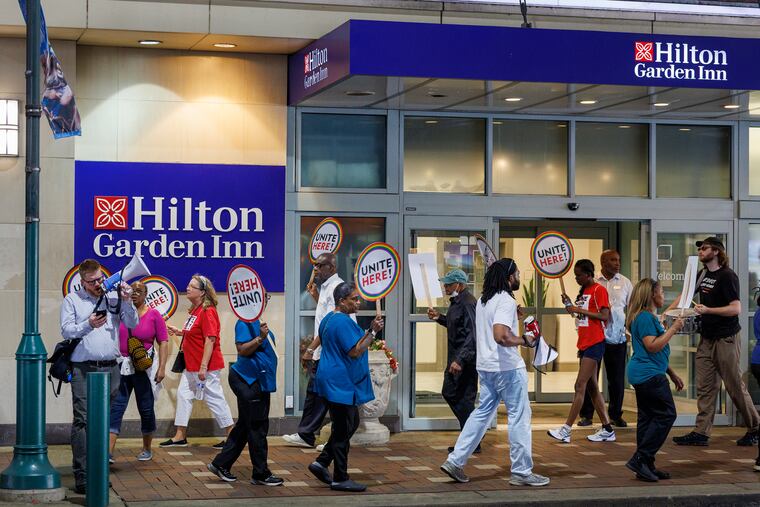
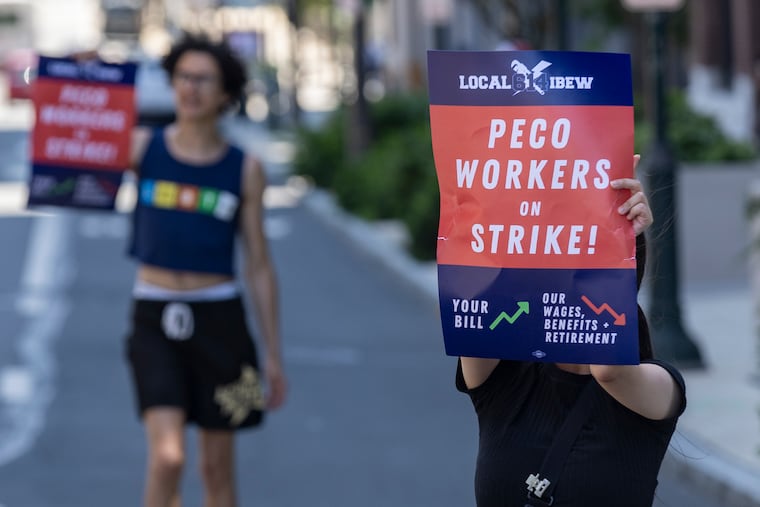
Tomorrow, employees not just from Burger King but also from McDonald's, KFC, Popeyes and other iconic fast-food chains seeking a $15-an-hour wage and the right to unionize hope to stage their largest one-day job action ever - punctuated by sit-ins and other acts of civil disobedience in a major escalation of their two-year-old campaign.
In Philadelphia, organizers of the #StrikeFastFood event say striking workers will gather at 10:30 a.m. tomorrow outside the McDonald's at Broad Street and Girard Avenue in North Philadelphia. The plan calls for marching down Broad with home-health-care workers and other supporters to stage what they say will be a "rally and dramatic action" near Broad and Arch streets during the lunch hour.
Shymara Jones, 21, a single mother who's been working at the Popeyes chicken restaurant at Broad and Catharine streets in South Philadelphia for five years, said she plans to go on strike and join the protest march.
"It's what we're going to have to do if we want change to happen," said Jones, who started at the minimum wage of $7.25 an hour and now makes just $7.60. She works two other jobs as she raises her 1-year-old son, pays rent on their South Philly apartment and attends classes with the goal of becoming a nursing assistant.
Nationally, organizers expect arrests as fast-food workers stage sit-ins or commit other acts of civil disobedience intended to signal that progress for the workers has not come quickly enough since about 100 restaurant employees staged the movement's first walkout in New York City in November 2012.
The National Restaurant Association responded this week with a statement that the job action was nothing more than an effort by unions to revive their slumping membership rolls, and it called on strikers to respect customers and their fellow employees who stay on the job.
In a short time, the fast-food-worker movement has seen President Obama and congressional Democrats make the push for a higher minimum wage a centerpiece of this fall's national election, while on the local level, Seattle has voted to phase in a $15-an-hour mandatory wage as Los Angeles and other cities weigh similar mandatory pay hikes.
Catherine Fisk, a professor of labor law at the University of California, Irvine, said in a phone interview that fast-food workers - along with retail clerks and low-wage hospital staffers - have an advantage in pushing for a higher wage and union recognition: Unlike factory workers, their jobs can't be shipped overseas.
"You can't sell hamburgers to Philadelphians from Sri Lanka," she said. Fisk noted that tomorrow's planned action follows the same trail blazed by U.S. autoworkers who staged an infamous sit-down strike in Detroit in 1937 to win the right to form a union that ushered in an era of middle-class prosperity.
In Philadelphia, Popeyes worker Jones - one of dozens of local workers who struck in May - said that since that job action her bosses have made a couple of small concessions, including a 15-minute break during which she gave the phone interview. "But it's not changing enough," she said.
Olivia Bey-Smith, 20 - who also plans to take part tomorrow - agrees. She went to work at the McDonald's at Broad and Girard two years ago, after graduating from University City High School, and she still makes $7.65 an hour while still living with her mom and three younger cousins in West Philly.
"It's hard to maintain a life on the money we're receiving," she said. "We need more to survive."