‘Financial malpractice’ alleged at Philly-based painters union
IUPAT appointed a special trustee to “take charge and control” of District Council 21, ousting business manager Bernie Snyder from his leadership position.
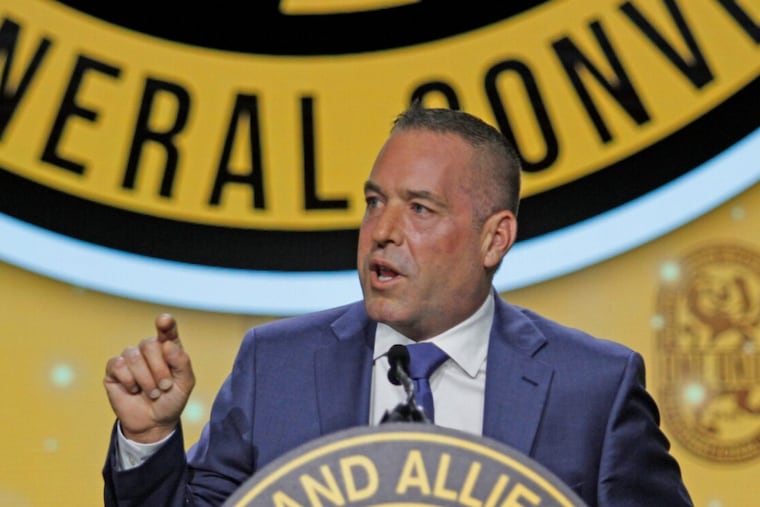
The parent organization of a Philadelphia-based painters union has taken control of the local entity after alleging “widespread financial malpractice” and a “lack of democratic controls.”
The International Union of Painters and Allied Trades appointed a special trustee to “take charge and control” of District Council 21, ousting business manager Bernie Snyder from his leadership position, according to a July 24 letter obtained by The Inquirer.
IUPAT DC 21 represents 5,600 painters, drywall finishers, wall coverers, glaziers, and glass workers in Pennsylvania, New Jersey, and Delaware. The international union has 140,000 members in the U.S. and Canada.
“Instead of responding to membership’s needs and growing power in the jurisdiction, under the business manager’s leadership, the district council has engaged in financial malpractice, a lack of transparency, and acted without accountability or democratic controls,” the international union’s general president, James A. Williams Jr., wrote in the letter to DC 21 members.
Williams, a fourth-generation glazier from Philadelphia and a member of DC 21 and Local 252, said the functions of all officers, business representatives, and employees of the District Council would “terminate” and pass to the trustee, Brian Courtien, a special assistant to the general president.
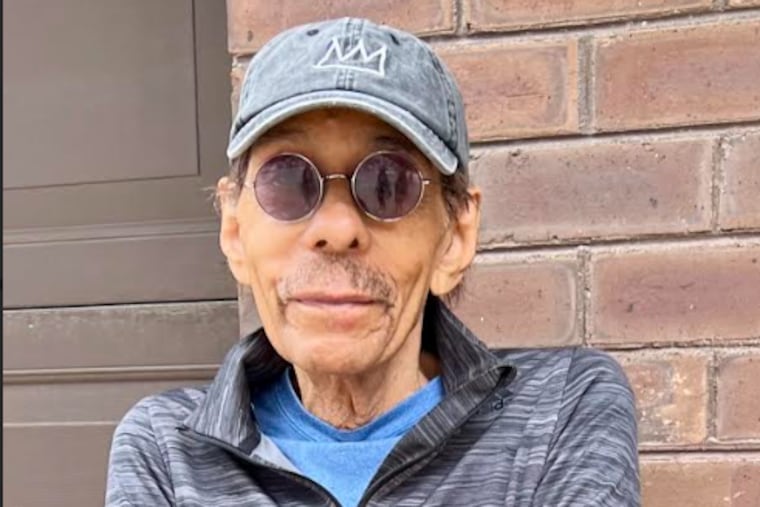
Snyder, a painter by trade, could not be reached for comment. A person who answered the phone at DC 21 said Snyder was no longer employed there.
Snyder, 54, of Thornton, Delaware County, was elected business manager/secretary treasurer in August 2024. At the time of his election, the union said he’d belonged to the council for 29 years, starting out with Local 703.
IUPAT declined to make Williams — who’s also a member of the AFL-CIO’s executive council — available for an interview. In a statement, IUPAT spokesperson Ryan Kekeris said the international organization “conducted a review and found sufficient evidence to place District Council 21 under a special trusteeship.”
“A fair, democratic, and constitutionally approved hearing will determine what next steps, if any, are appropriate.”
In the letter, Williams depicted a disengaged leadership team that failed to organize or defend its trade jurisdiction, even as it increased spending. Membership has declined by 1,200 people in the past decade, Williams wrote. The council employs fewer staff than it did in 2023, yet costs have increased, he said.
The letter said the District Council’s officers and certain “selected staff” received compensation packages inconsistent with the union’s bylaws, adding that these actions were “hidden” from rank-and-file members.
DC 21 leadership provided an “inappropriate and unsustainable” number of staffers with excessive base compensation, Williams wrote.
He also cited “ballooning” compensation costs for elected staff that exceeded $300,000, “in direct conflict” with the organization’s bylaws, as well as “insufficient detail in itemized staff expense receipts.”
In addition to financial mismanagement, the letter took issue with a lack of accountability at the District Council. Rank-and-file members don’t know which staffers are elected and which are appointed, and executive staff failed to hold regular substantive meetings, the letter says.
Snyder frequently failed to show up to the office, attend collective bargaining sessions, and engage in community and political activities, violating the union’s constitution, according to the letter.
“Instead of correcting past financial and structural difficulties, District Council 21’s actions, and inactions, have exacerbated them,” the letter says. “Cumulatively, these failures evidence a general lack of attentiveness to members’ welfare and concerns, and a failure to perform bargaining representative duties, which must be addressed.”