Western states get brutal blast of winter
A blustery winter storm dumped snow and ice across the West on Wednesday, making driving treacherous in the mountains from California to the Rockies and forcing residents and party-goers in some usually sun-soaked cities to bundle up for a frosty New Year's.
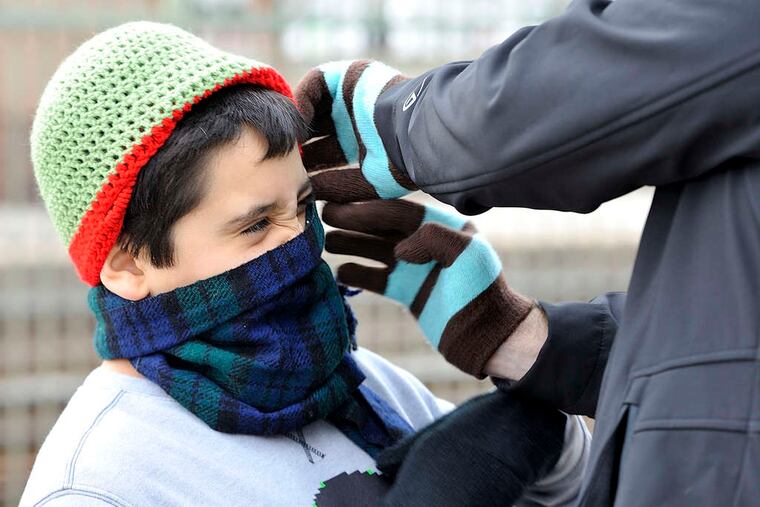
A blustery winter storm dumped snow and ice across the West on Wednesday, making driving treacherous in the mountains from California to the Rockies and forcing residents and party-goers in some usually sun-soaked cities to bundle up for a frosty New Year's.
Two people were killed and a third was missing after winds broke boats loose from moorings at Santa Catalina Island off the coast of Southern California.
More than 180 motorists were rescued after they were stranded by the snow on mountain highways northeast of Los Angeles.
In Phoenix suburbs, swimming pools and cactus-lined backyards were dusted with snow.
Those planning to usher in 2015 along the Las Vegas Strip or watch flower-decorated floats in the Rose Parade in Pasadena, California, were bracing for near-freezing temperatures.
Ice and snow also made roads and highways treacherous in New Mexico and along the panhandles of Texas and Oklahoma.
Gusting winds toppled trees throughout California, killing at least three people in recent days.
Still, many Southern Californians were excited to see snow at their front door.
Temecula City Manager Aaron Adams said his 12- and 14-year-old daughters were sledding outside his home on bodyboards usually reserved for the beach or pool. He said he had never seen as much snow - half a foot in some places - in the two decades he had lived there.
"You'd think you woke up in Tahoe or something," he said.
In Flagstaff, Ariz., as much as 15 inches of snow was expected by New Year's Day.
Los Angeles County public health authorities issued a cold-weather alert, and Pasadena city officials urged parade-goers to come ready with layers of clothing and foot- and hand-warmers.
The cold snap could affect the famous floral floats in the parade. Some of the tropical flowers could turn black, and float builders were using twice the normal amount of glue to affix flowers because of the cold.
California citrus growers appeared to pull through the storm unscathed. Potentially damaging cold failed to materialize overnight in most areas, with only a few spots requiring frost protection, said Joel Nelsen, president of California Citrus Mutual. Seventy-five percent of the crop was still on trees and yet to be harvested.