U.S. measles cases are at a 35-year high. Here’s how to protect yourself.
Here’s what health experts want you to know about measles right now, including what to consider if you’re traveling for the holidays.
For years, the United States saw occasional measles outbreaks, often after someone caught the virus abroad and brought it back with them. But those outbreaks didn’t last. This time, the virus has been continuously spreading for at least 12 months. That’s why the Pan American Health Organization announced Tuesday that the U.S. had lost its measles elimination status, which it had held since 2000.
James Campbell, chair of the American Academy of Pediatrics Committee on Infectious Diseases, called the reversal “a completely preventable tragedy.” As of Nov. 12, the Centers for Disease Control and Prevention had confirmed 5,412 measles cases in the U.S. this year — nearly twice as many as were reported in 2025 and the highest annual total since 1991. State health officials have reported at least 11 measles-related deaths this year, including a 7-month-old in New York earlier this month. On Wednesday, Pennsylvania announced its eighth measles-related death.
Measles is highly contagious and can cause serious illness at any age, but it’s especially dangerous for babies and young children, who are more likely to develop complications like pneumonia and encephalitis (inflammation of the brain). As cases continue to rise, health experts have warned that more children could end up in the hospital and some could die.
Babies are especially vulnerable because they usually can’t receive their first routine measles vaccine until they’re 12 to 15 months old. Pregnancy and certain medical conditions can also prevent people from receiving the vaccine.
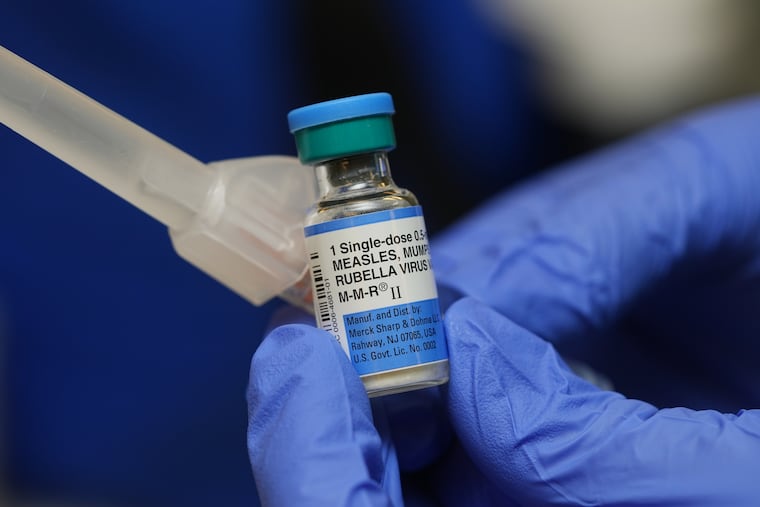
For everyone else, staying up-to-date on the measles, mumps and rubella (MMR) vaccine is the best way to protect against the virus. Two doses generally provide lifetime immunity, and most children in the U.S. receive both by kindergarten. Some adults who only received one dose may need a second.
Here’s what health experts want you to know about measles right now, including what to consider if you’re traveling for the holidays.
How to know if you’re protected
The MMR vaccine is highly effective and “one of the safest vaccines we have,” said John Swartzberg, clinical professor emeritus in the Infectious Diseases & Vaccinology Division at the University of California at Berkeley. If you’ve completed the two-dose series of MMR or MMRV (which also protects against chicken pox), you’re considered protected and don’t need a measles booster.
If you were born before 1957, you’re generally presumed to be immune because you were likely exposed to the disease as a child. You’re also considered immune if you’ve had a confirmed case of measles.
However, a small number (fewer than 5 percent) of adults vaccinated between 1963 and 1967 received an earlier, inactivated measles vaccine that was less effective. “Those persons might be at some slight risk of acquiring measles,” said William Schaffner, a professor of infectious diseases at the Vanderbilt University Medical Center. If you had a measles shot during those years and got that version or don’t know which one you got, the CDC recommends you get the current MMR vaccine if you can safely receive it.
If you’re unsure about your vaccination status and can’t find your records, your doctor can order a blood test to check for immunity or help you decide whether to get vaccinated. A just-in-case dose is safe, the CDC says, even if it turns out that you were protected.
What to do if you’ve been exposed
If you think you or your child may have been exposed to measles — say, one of you was around someone who tested positive or you got a notice from the health department — call your doctor right away to find out what to do next. And before heading to a doctor’s office or clinic, let the staff know you may have been exposed so they can protect others.
Depending on your age and whether you’re immune, your provider may suggest an MMR dose (within 72 hours of exposure) or immune globulin (within six days). Immune globulin is a medication that contains antibodies that can help prevent measles or make the illness less severe if you do get sick, Schaffner said.
If you aren’t immune, ask your doctor whether you should stay home and for how long. It’s important to follow their advice to keep the virus from spreading to others, including infants too young to get vaccinated.
If you know you haven’t been vaccinated, Schaffner urged getting the shot before you’re exposed. “Now’s the time to go to your health care provider,” he said.
What you shouldn’t do is just shrug your shoulders and think “measles isn’t that bad” and do nothing at all. About 1 in 5 unvaccinated people who get measles are hospitalized, according to the CDC. Research has found that measles can wipe out 11 to 73 percent of the antibodies children have developed against other infections, a phenomenon known as “immune amnesia” that can leave them more vulnerable to future illnesses.
Who might need a second or early dose
Some people may need to catch up on a missed MMR dose, and some children may need a shot earlier than usual. Here’s who falls into those groups.
Children who haven’t had both doses
Kids usually get their first MMR shot at 12 to 15 months old and their second at 4 to 6 years old. If they’ve missed a shot, ask their pediatrician about catching up. Children ages 1 to 4 who’ve received their first MMR dose but not their second may be able to get it early if they live in or are traveling to an area with a measles outbreak, Campbell said. The second dose should be given at least 28 days after the first.
Infants in outbreak areas
Babies 6 to 11 months old who are traveling internationally or who live in or are traveling to an area with a measles outbreak may need their first MMR shot earlier than normal — that is, before their first birthday. Ask their pediatrician whether an early dose is recommended. Infants who get that shot still need two more doses after they turn 1, noted Kisha Davis, president of the American Academy of Family Physicians.
Adults at higher risk
If you’ve had one MMR dose, you may need a second. For example, two doses are recommended for health care workers, international travelers and people in close contact with someone who’s immunocompromised, like someone undergoing cancer treatment or taking immunosuppressant medications. If you have HIV, ask your doctor if you can safely get the MMR vaccine and if you need another dose. A second shot may also be recommended if there’s a measles outbreak where you live.
What to know if you’re traveling soon
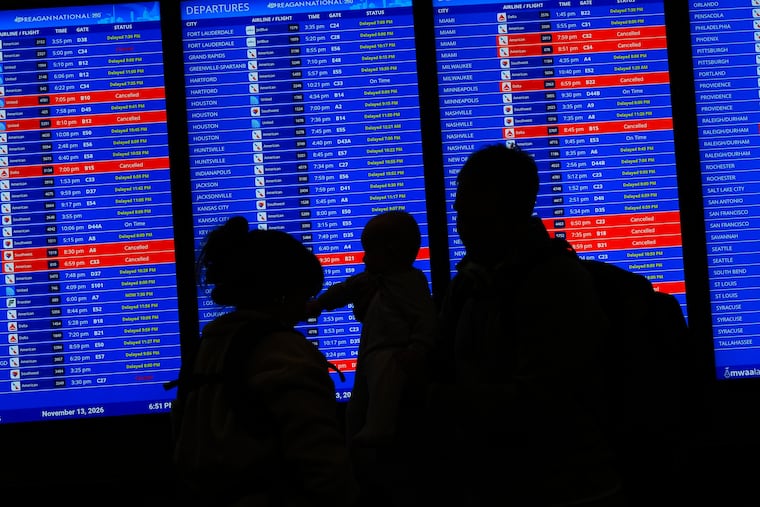
The current measles outbreaks are particularly concerning for holiday travelers who haven’t been vaccinated, including babies who are too young for the shot and people who can’t get it for medical reasons, such as pregnancy or a severely weakened immune system.
If you’re an adult who can’t get vaccinated, wearing a mask in crowded places like airports is “another layer of protection that can help,” said Schaffner, though “it’s not perfect.” A well-fitting N95 offers the strongest protection, but KN95 and KF94 masks can also help reduce exposure.
Again, for international travel, the CDC recommends an early MMR dose for babies. But infants under 6 months are too young to be vaccinated at all, and travel is particularly concerning for this age group, Swartzberg said.
If you have to travel with an infant, keep them away from sick people and don’t visit households where members are ill or unvaccinated, Campbell said. Making sure everyone who spends time around the infant is immune to measles can create a “cocoon around the baby,” he explained.
Until recently, “we wouldn’t walk around worrying about getting measles,” Swartzberg said. Now, “if you’re not immune to measles, the United States is a place you can get it.”