Pa. state lawmakers found common ground on this data center policy — but still couldn’t reach a deal
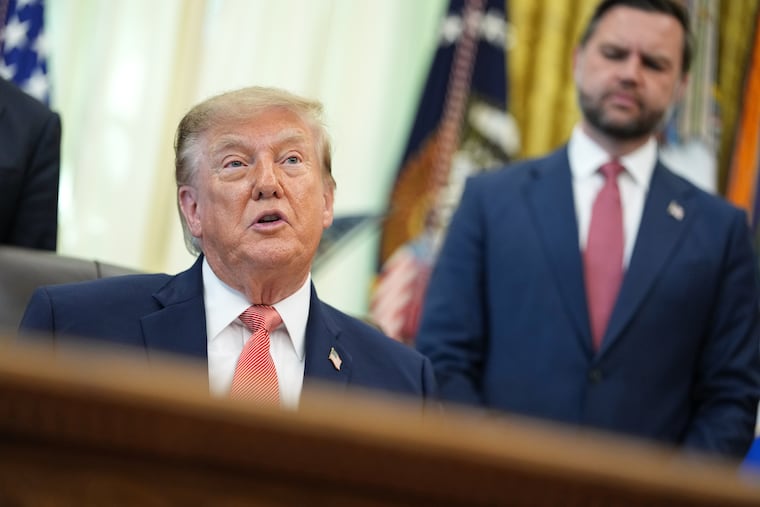
Gov. Josh Shapiro, who has proposed his own plan for conditioning tax breaks for data centers, said he plans to take executive action in the coming weeks.
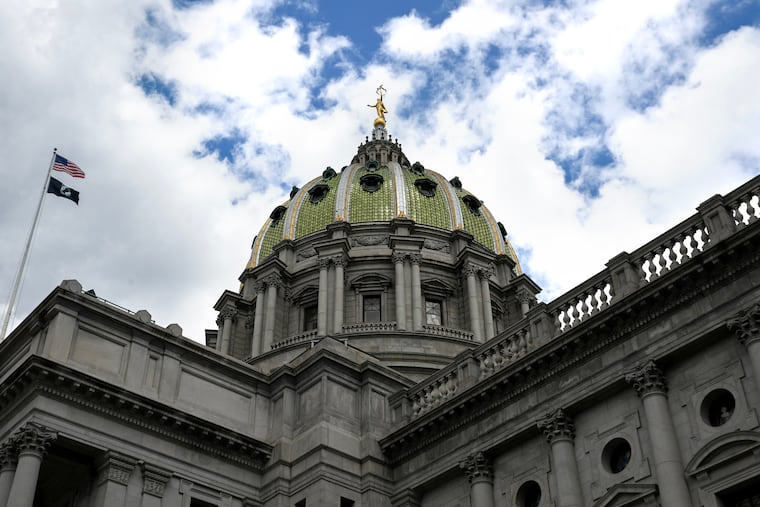
HARRISBURG — Democratic and Republican lawmakers in Pennsylvania’s divided state government rarely agree.
But this month, there was one issue upon which nearly all of them found common ground: ending tax breaks for data centers.
Despite the rare consensus as Harrisburg looks to add guardrails to the state’s data center boom, no legislation was passed to end the favorable tax treatment for the projects. After approving the $50.8 billion state budget last week, Pennsylvania’s lawmakers went home for the summer, each blaming the other party for the inaction.
But new regulations could be coming soon, Gov. Josh Shapiro said.
The governor — who has adamantly stood by his proposal to condition tax breaks for data center projects based on their compliance with environmental and transparency standards — said he plans to take executive action on regulating Pennsylvania data centers in the coming weeks.
“I am now exploring everything I can through executive authority since the Senate Republicans refused to act,” Shapiro said Tuesday at an unrelated event in Philadelphia, declining to share details or a timeline for his plans.
» READ MORE: Here’s what’s in — and not in — Pennsylvania’s $50.8 billion state budget
The state’s current tax incentive for data center development is projected to cost Pennsylvania nearly $2 billion in lost revenue over the next five years.
The current benefit was approved by the legislature in 2021. Developers who generate a certain dollar value of investment are exempt from the state sales tax rate of 6% for equipment, including materials used to construct the data center building.
According to a February report from the state, 12 projects currently receive the exemption.
Proponents of the tax break have said it helps keep Pennsylvania economically competitive. Opponents say such a benefit is no longer necessary for an industry that is expanding rapidly.
“I am not going to get into hypotheticals,” Shapiro said Tuesday when asked whether he would sign a bill that would eliminate the tax benefit, something industry groups have loudly opposed.
Shapiro has championed his proposal for data centers, which incentivizes tax breaks for projects that adhere to a series of requirements. He has not publicly endorsed other data center regulation bills passed by the Democratic-controlled House. The governor’s plan passed the House in June with a vote of 134-68, but was not put up for a vote in the Republican-controlled Senate.
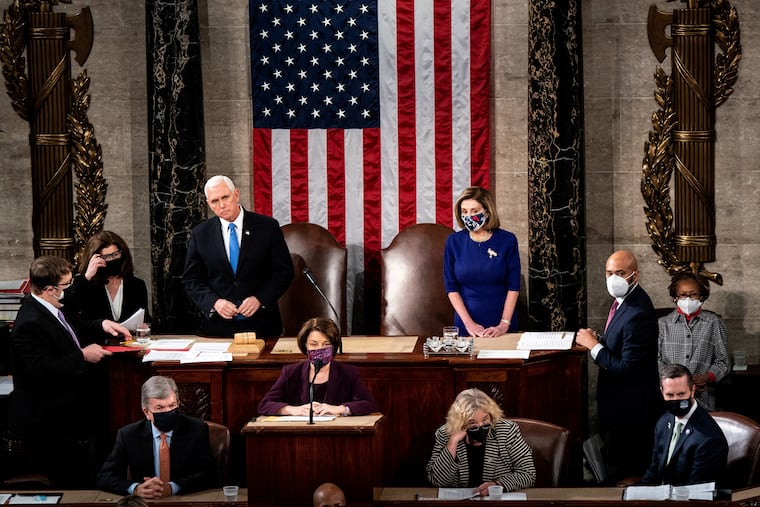
And as public opinion has soured on data center development, lawmakers in Harrisburg have become more skeptical. This year, all but five Pennsylvania state legislators expressed support for bills that would remove tax breaks for data centers.
» READ MORE: Poll: 44% of Pennsylvanians say they’re financially worse off now, while a majority oppose AI data centers
According to an Inquirer review, 197 out of 202 House members voted for a bill that would have repealed the tax benefit. In the Senate, 44 out of 50 members voted in favor of a bill that included a provision to eliminate the tax exemption. The remaining six senators expressed support in interviews for getting rid of the tax break, though they said they voted against the bill because of unrelated provisions included within the legislation, including an expansion of the Educational Improvement Tax Credit Program.
Though the state’s final budget took no action on the tax exemption, it included a provision requiring data centers with electric outputs larger than 10 megawatts to submit information about their energy and water usage to the state.
Several other data center regulations that received bipartisan support in recent weeks were also absent from the final spending package, including attempts to enact a local or statewide moratorium on new development.
House Democrats and Senate Republicans were quick to blame each other for failing to reach a deal on removing the tax exemption.
During separate news conferences after the budget passed, Senate Majority Leader Joe Pittman (R., Indiana) and House Majority Leader Matt Bradford (D., Montgomery) each said it was the other party’s fault that a tax benefit repeal was left out.
Pittman said that Democrats “shredded” a Republican-backed bill into “something that nobody could recognize,” adding in an email that Senate Republicans would also “continue to examine” the proposal backed by Shapiro.
Bradford, placing the blame on Pittman, said he is “obviously unbelievably disappointed by the Republican leader in the Senate stating that he has no interest in doing anything on data centers,” adding that he was proud of the state House for advancing a number of data center regulation proposals.
Beth Rementer, a spokesperson for the House Democrats, said in a statement that “Senate Republicans still have an opportunity outside the budget negotiation process to vote on all the bills we passed to hold big tech accountable.”
The Pennsylvania Chamber of Business and Industry and the Pittsburgh Building Trades Council lobbied legislators to keep the tax break. In a June memo to state House members, the Pennsylvania chamber wrote that a repeal of the tax benefit “threatens to place Pennsylvania at a competitive disadvantage and sends a troubling signal to current and prospective investors that the Commonwealth is willing to change the rules after the fact.”
The legislature quietly deferred action on other topics, like funding mass transit and regulating skill games, as part of this year’s budget negotiations. But the data center debate spilled into the public arena.
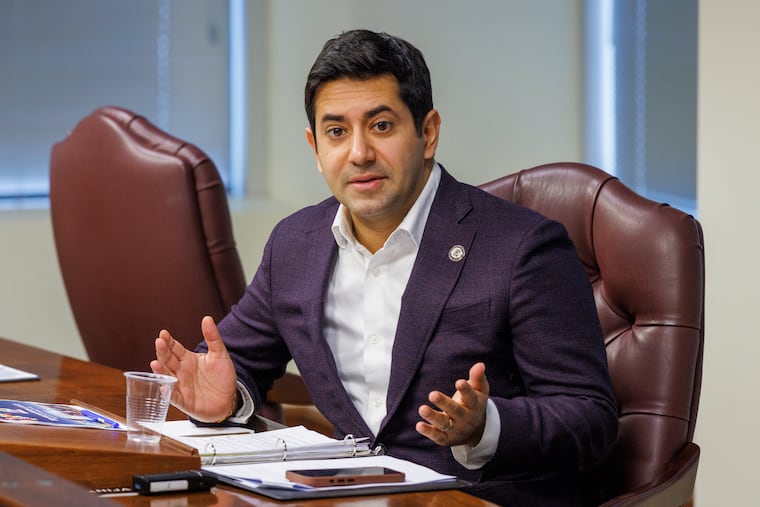
In an interview, State Sen. Katie Muth (D., Montgomery) — one of four senators who voted against approving the original tax exemption in 2021 — said she suspected the legislative back-and-forth about the tax break gave lawmakers a chance to record their vote on a hot-button issue among their constituents.
She said that many legislators who voted to repeal the tax break did so for “show, so everybody can send out mailers.” In addition to Shapiro, half the state Senate and all members of the state House are up for election in November.
Lawmakers could revisit the topic come fall when they reconvene. And Shapiro said it is on his agenda, too.
“I think the legislature should have acted,” Shapiro said. “Given the fact that the legislature refuses to act, we’re going to look at our executive authority and determine what the best steps are.”
Ethan Young is an intern with the Pennsylvania Legislative Correspondents’ Association. He can be reached at ethanmyoung@gmail.com.