Mayor Parker’s bill to allow more homes in commercial areas hits a roadblock of community opposition
The pushback to Mayor Parker's bill comes from neighborhood groups in majority Black communities.
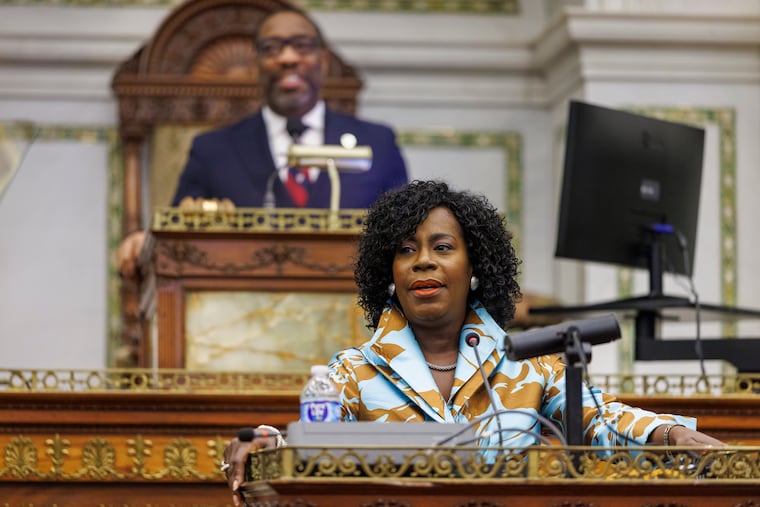
Philadelphia City Council bowed to community pressure and paused consideration of a zoning bill backed by Mayor Cherelle L. Parker that would add modest amounts of residential capacity to neighborhood commercial corridors.
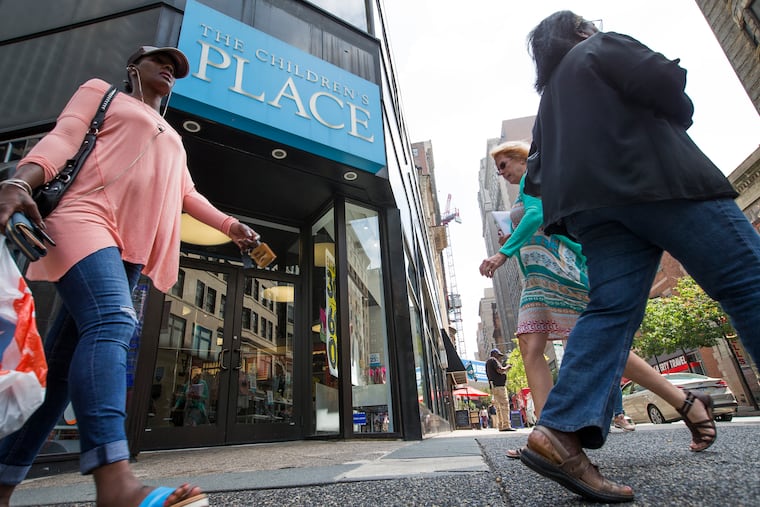
The bill is part of Parker’s push to add 30,000 new homes to the city. It would allow properties with zoning that mostly applies to corner stores — known as CMX-1 — to host additional apartments, with the number depending on a building’s size. Most properties zoned this way would be able to add only one unit.
The bill would allow property owners to add ground-floor units where commercial demand is low so half the building doesn’t sit empty and to add more apartments above larger commercial buildings where possible.
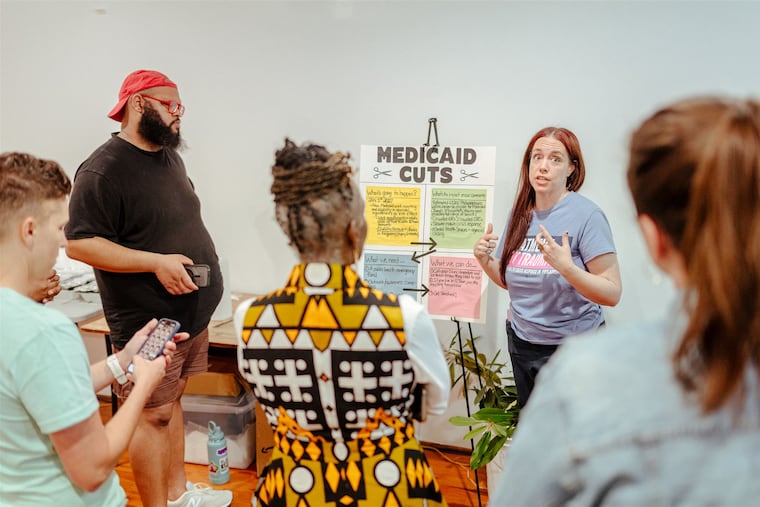
But a group called the RCO Matters Network submitted a letter of protest to City Council in advance of Thursday’s meeting and spoke against the proposal during the public comment session. Registered Community Groups (RCOs) are the officially acknowledged neighborhood groups that take part in zoning matters.
“This is not a minor procedural change,” the group’s letter read. “The RCO process exists to ensure that Philadelphia’s communities [have a voice] — especially those that have historically been most vulnerable to displacement and gentrification.”
Currently, if property owners want to add an apartment to a CMX-1 zoned property, they have to request a variance from the Zoning Board of Adjustment, which necessitates a meeting with the local RCO beforehand.
At the zoning board hearing, the RCOs opinion is considered but not determinative.
The letter opposing Parker’s bill is signed by a variety of community groups, predominantly from majority Black neighborhoods. These include Concerned Citizens of Point Breeze, the Cobbs Creek Area Residents RCO, and Winfield Residents Association, among others.
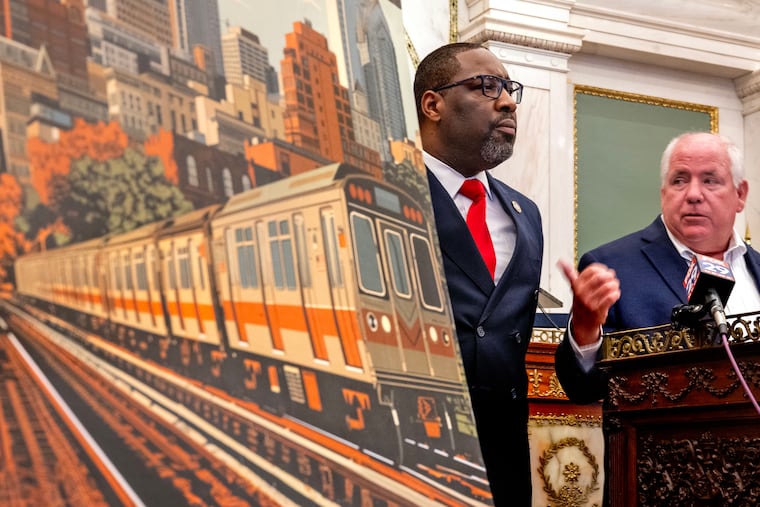
Parker’s bill has already faced pushback from within City Council. In October, Brian O’Neill, a Republican who represents the Far Northeast, and Cindy Bass, a Democrat who represents much of the Northwest, exempted their districts from the legislation.
It was an example of Councilmanic prerogative, which gives district members wide latitude over land use rules in their territory.
The Planning Commission noted that O’Neill and Bass’s districts are on the outskirts of the city and aren’t as dominated by the dense development patterns seen in other parts of Philadelphia.
With larger lots and commercial buildings, the commission framed their exemptions as justified, but opponents of Parker’s bill argue those carve outs should be emulated elsewhere.
“These bills [from O’Neill and Bass] are there to protect the communities in their districts,” Tinamarie Russell of the North Central Philadelphia Susquehanna CDC said during public comment at City Council. “But my question is: Why shouldn’t every Philadelphia neighborhood receive the same consideration?”
The Parker administration declined to comment on City Council’s decision to delay a vote on the legislation. Council President Kenyatta Johnson, who had the bill introduced, did not respond to a request for comment.
In addition to pausing the legislation, the RCO Matters Network called for a 45-day review period and a meeting with policymakers.
They also demanded that “the final version of this legislation preserve the RCO process and the voice of the voters — for every neighborhood, in every district, across this city,” the letter reads.