Planting native species is gaining popularity. Here’s how Jersey Shore gardeners do it.
Native vegetation is important to the well-being of local wildlife, as well as migrating birds that fly through Cape May County and nearby areas.
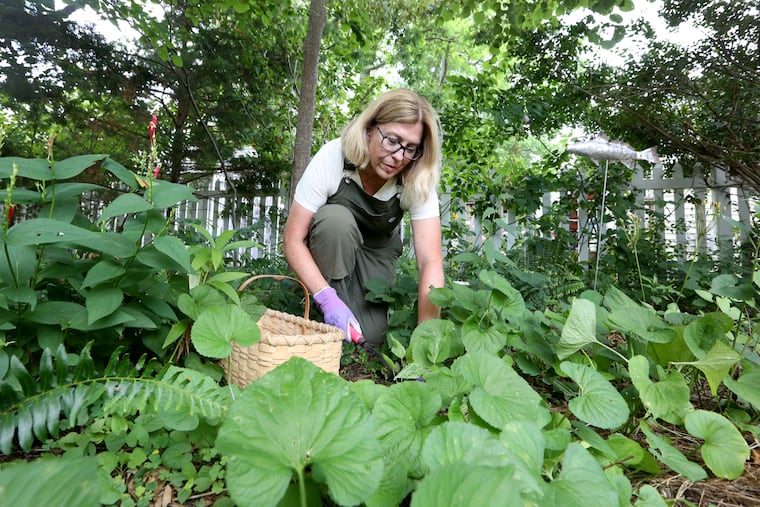
Virginia Rettig’s garden is her passion.
The 60-foot-by-100-foot plot on her Cape May property boasts about 200 varieties of native plants, which she estimates have drawn roughly 135 wildlife species. Monarch butterflies, hummingbirds, cardinals, gray catbirds, moths, and a host of other creatures suck nectar from her flowers and drink water from the small waterfall that flows into a pond.
Once she even saw a black-billed cuckoo, a rarity in Cape May.
“During spring and fall migration, millions of birds fly through Cape May County, and every blade of vegetation is critically important for them when they need to stop for food,” Rettig said.
Rettig owns Cape NativeScapes in Cape May. After a 30-year career in the U.S. Fish and Wildlife Service, she is sharing her knowledge and passion for managing wildlife habitats by helping clients create native gardens.
She’s found plenty of customers who live at the Shore and want to help — not hinder — native species with their own landscaping choices. Nearly 80% of self-identified gardeners incorporate native plants into their outdoor spaces, according to gardening consumer research organization Simple Spring. And over a third dedicate a quarter to half of their garden to local flora.
“People love nature and are itching for good information and support so they can provide these habitats for wildlife,” Rettig said.
Areas once covered by native vegetation have been lost to development, replaced by ornamental landscapes, manicured lawns, and invasive species.
But this increasingly popular practice of replenishing native plants serves the environment, birds, and wildlife, while growing roots to hold off erosion and conserve water.
Types of plants at the Shore
Native plants adapt well at the Shore where the conditions include wind, sandy soil, and salt spray, said Andrew Bunting, vice president of horticulture for the Pennsylvania Horticulture Society.
Popular varieties include native grasses, such as American beachgrass, coastal panicgrass, and little bluestem varieties, which have a steely blue-green color in the summer and a coppery red hue in the fall.
“Butterfly weed is one of the most iconic of all the pollinator plants,” Bunting said. It “has vibrant orange flowers and is especially a magnet for the monarch butterfly, which is a threatened species.”
It’s important to have perennial varieties that bloom at different times in the season to consistently provide nourishment to wildlife, Bunting said. For example, early spring might include a beach plum shrub, butterfly milkweed in midseason, and goldenrod late in the season.
Native species are very hearty, need full sun, and require little care once established. They need to be watered when first planted, but once they take hold, rainwater is usually sufficient. Native plants can be mixed with non-native varieties as long as they have similar sun and water requirements.
Attracting wildlife
Pat Sutton, a working naturalist since 1977 for the Cape May Point State Park, and then the New Jersey Audubon’s Cape May Bird Observatory, hopes education will encourage more people to move toward native gardens.
“There has been a lot of focus for too many years on instant gratification — pretty things that are forced to be in bloom well before nature intends,” Sutton said. “The focus on native plants is a focus on making sure wildlife can persist.”
Sutton’s website includes resources for native plants that attract birds and insects. For example, the coral honeysuckle vine and southern arrowwood shrub are especially attractive to moths when laying their eggs.
Along with her husband, Clay, Sutton transformed her property into a wildlife habitat containing 205 native plants, including perennials, native trees, shrubs, vines, grasses, and ferns. She has recorded as visitors 213 bird species, 79 butterfly species, and 121 assorted other pollinators, including wasps, flies, bees, and beetles.
“When I step outside, it’s like going into a wilderness, and it’s just a tiny yard,” she said. “But that’s what’s possible for people who embrace gardening with native plants.”
Civic responsibility
Strathmere residents have made native plantings a priority in homes and public areas throughout town. Along with N.J. Fish & Wildlife and Upper Township, the Strathmere Improvement Association Native Plant Committee members have erected gardens at several beach entrances, in front of the Schiavo Library, and around the Welcome to Strathmere sign.
“We have a gem of a town and wanted to maximize the beauty of our beaches by cleaning up and planting at our entrances,” said Linda C. Bateman, a member of the committee that began planting gardens three years ago, adding a couple streets at a time.
Native plants, including goldenrod, milkweed, bayberry, elderberry, Virginia rose, and New Jersey-native wildflowers, are labeled to educate beachgoers. The committee has raised awareness by offering talks led by gardening experts, holds native plant sales, and presents garden awards to residents who have dedicated yard space to pollinator plants. The town is a designated monarch butterfly way station.
The entrance to Corson’s Inlet State Park, a part of Strathmere overseen by Belleplain State Forest, is also getting a makeover to include native plants.
“Before development, there were areas across the barrier islands that were covered in low shrubs and small patches of forest,” said Chris Konicki, a Strathmere resident who is heading up the Maritime Forest Project with Peter Manzelmann from Belleplain State Forest.
Their goal is to reintroduce native species that are indigenous to the area. Tree species such as eastern red cedar, American holly, black cherry, sassafras, black gum, and pitch pine will be planted, along with shrubs including bayberry, wax myrtle, beach plum, and Virginia rose. Small trees will feature winged sumac, a non-poisonous native species.
“It’s an ongoing project that will slowly evolve over time and highlight some historical species that are no longer common in Strathmere and the surrounding islands,” Konicki said.
These initiatives are important, Bateman said, as the native gardens do much more than just beautify and unify the beach entrances. Bees, butterflies, moths, and other insects are drawn to them. Wildlife including bats, frogs, songbirds, red wing blackbird, and finches, will feed on the insects.
“We used to have fireflies in town, we used to have frogs trying to jump into our garage, and our windshields used to be covered in bugs,” Bateman said. “Where are they all? Clean air and clean water are not just human needs.”